Author: Justin Odom

NAD+ vs NADH: The Role of NAD in Cellular Respiration
NAD+ vs NADH is one of the most important “power wiring” concepts in human metabolism. In plain terms, NAD+ (oxidized form) helps cellular pathways move electrons, while NADH (reduced form) carries those electrons forward. This is central to the role of nad in cellular respiration, where cells extract usable energy from food—especially through mitochondria, the…
Epithalon Guide: Epithalon vs Epitalon, Evidence, Dosage Protocols, Safety
Medical disclaimer: This article is for educational purposes only and is not medical advice. Discussions of peptides (including epithalon) can be high-risk due to variability in products, measurement/labeling confusion, and the fact that most “protocols” online aren’t clinician-supervised. Talk with a qualified healthcare professional before using any peptide or pursuing any protocol. Also, don’t treat…
MOTS-c Peptide: Evidence, Dose, Benefits & Side Effects (Safety Guide)
MOTS-c peptide is a mitochondria-derived peptide that researchers have studied for potential effects on metabolism, mitochondrial function, and cellular energy signaling. If you’re searching because you want “mots c peptide benefits,” dosing, or “how to take mots c peptide,” the most important truth is also the least marketed: evidence from research does not automatically translate…
Melatonin Sleep Aid Supplement: Sleep Aid vs Melatonin + Safe Dose & Timing
If you’re searching for a melatonin sleep aid supplement, you’re probably trying to solve a real problem—falling asleep, staying asleep, or shifting your body clock. The catch: not all “sleep aid” products work the same way, and dosing/timing matters more than many labels suggest. In this guide, we’ll break down sleep aid vs melatonin and…
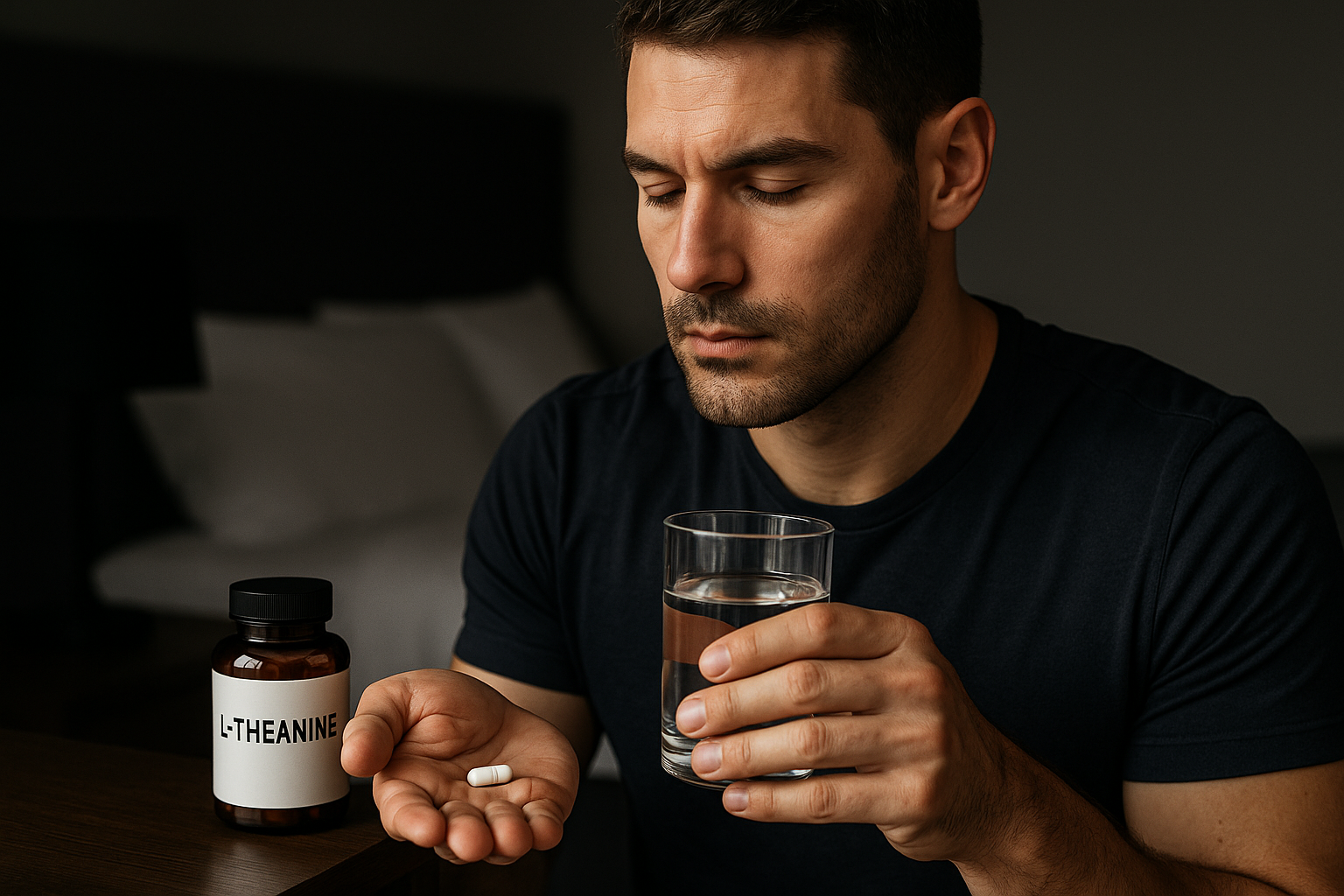
Does L-theanine Make You Sleep? Evidence, Timing (Before Sleep) & Side Effects
Does L-theanine make you sleep? For many people, l-theanine supplements for sleep don’t work like a classic sedative. Instead, research and sleep-aid guidance suggest it may help you relax and lower stress/anxiety, which can make it easier to fall asleep or improve some aspects of sleep. The practical takeaway: if your sleep problem is stress-driven…
GHRP-6 Side Effects + Dosage Per Day Safety Guide
If you’re searching for ghrp-6 side effects or ghrp-6 dosage per day, you’re probably trying to weigh potential benefits against real-world risks—especially in a bodybuilding context. This guide breaks down what GHRP-6 is, what people commonly report as side effects (clearly labeled as anecdotal), the main safety red flags, and how dosing is often structured…
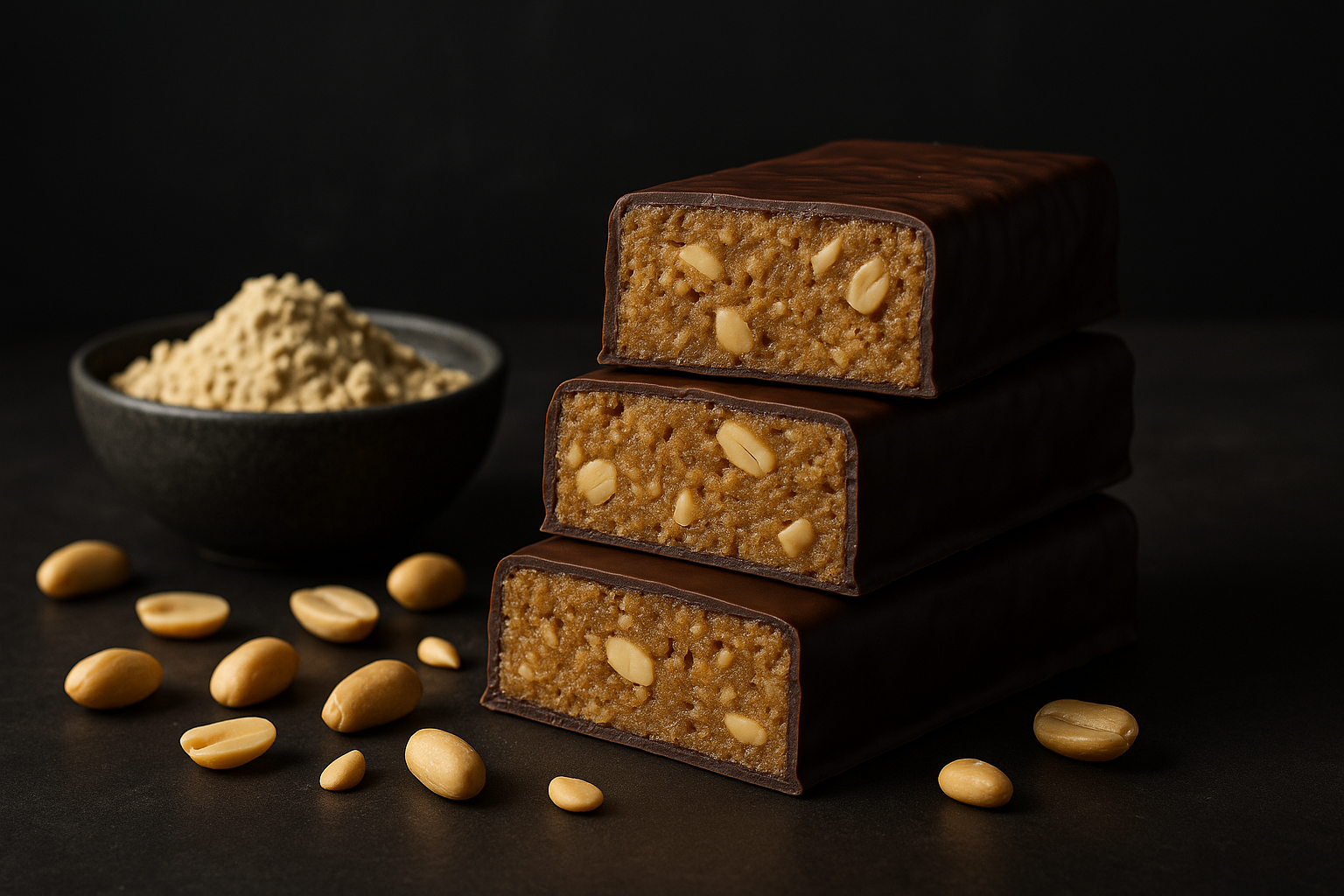
High Calorie Protein Bars: Label Checklist + Macro Targets by Goal (2026)
If you’re searching for high calorie protein bars, you’re probably trying to solve a specific problem: adding calories without adding extra meals, keeping protein on track, and still being able to grab something on the go. The catch? Many bars look “high calorie” on the front, but the numbers can be misleading—especially when calories are…
AOD9604: Benefits, Side Effects, Half-Life & Safety (No Hype Guide)
AOD9604 is a lab-made peptide fragment related to human growth hormone (hGH) that’s often marketed for “fat loss” and “metabolic support.” But the honest picture is mixed: there’s some human research suggesting effects on weight and lipolysis sensitivity, while long-term safety data is limited and many online “protocols” are inconsistent. This guide explains what AOD9604…
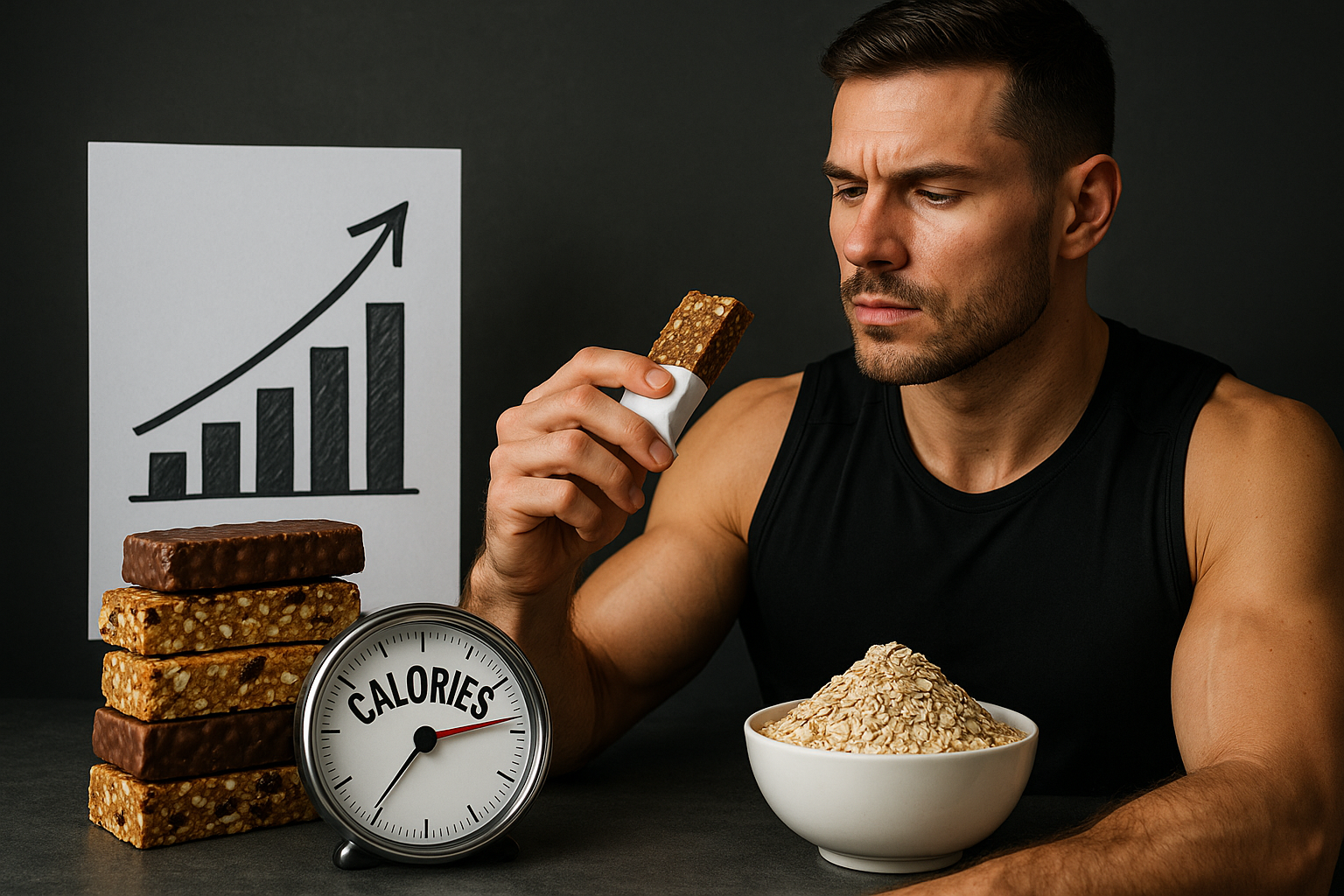
Weight Gain Bars: Do Protein Bars Make You Gain Weight?
Weight gain bars can help you gain weight—but only if they make it easier for you to reach a calorie surplus. If you’re not eating enough total calories, a protein bar (or “weight gainer” bar) won’t magically change that. In practice, the best “weight gain bars” are simply a convenient way to add extra protein…
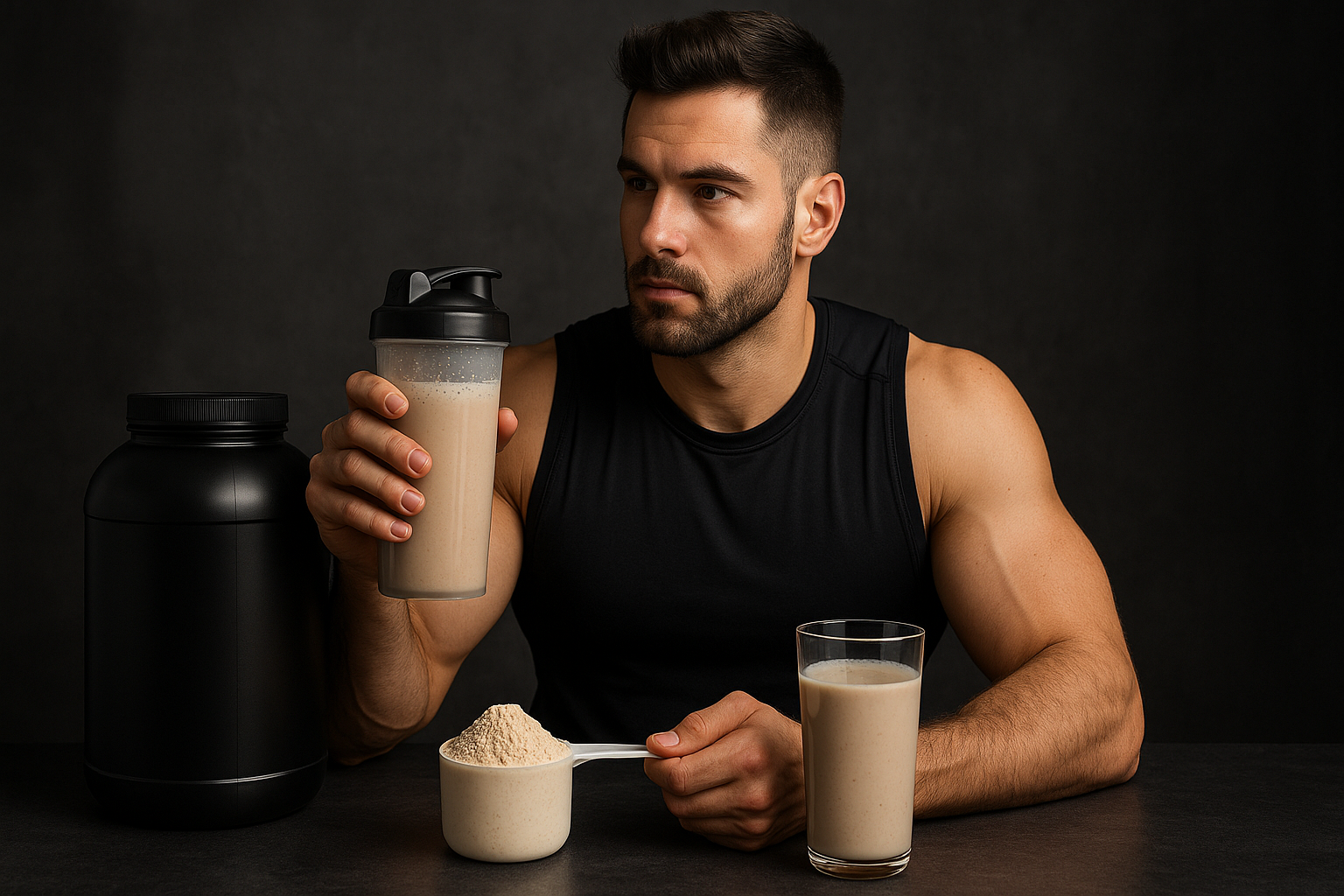
Lactose-Free Protein Shakes: How to Choose the Best Option for Digestion
If you’re searching for lactose-free protein shakes, chances are you want two things at once: the convenience of a ready-to-drink (or easy-mix) shake, and fewer digestive issues than you get with regular whey-based products. The tricky part is that “lactose-free” isn’t the same thing as “dairy-free,” and it doesn’t automatically mean the shake won’t bother…