
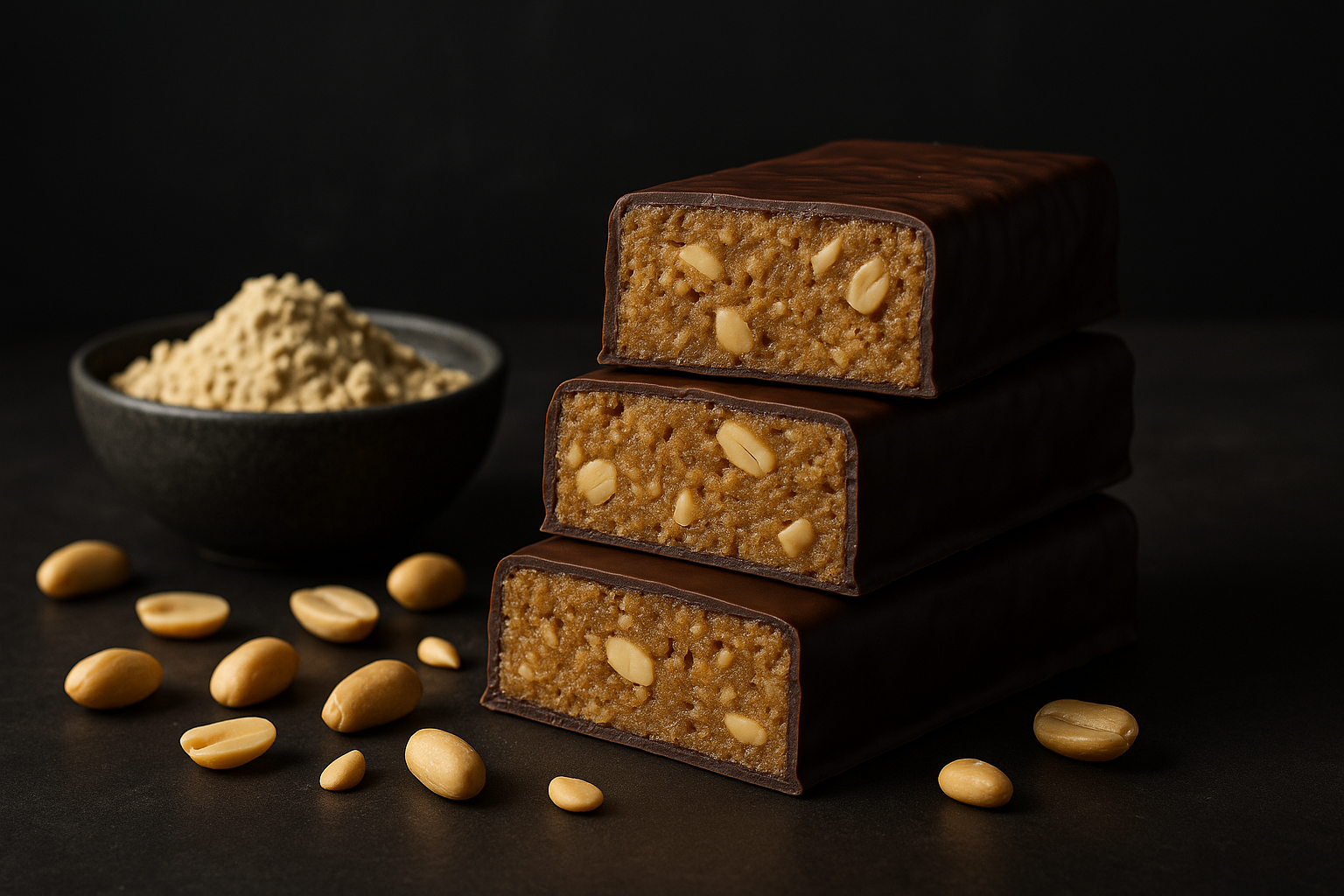
If you’re searching for high calorie protein bars, you’re probably trying to solve a specific problem: adding calories without adding extra meals, keeping protein on track, and still being able to grab something on the go. The catch? Many bars look “high calorie” on the front, but the numbers can be misleading—especially when calories are listed per serving while the package contains more than one bar.
This guide gives you a practical framework to choose the right high calorie protein bar for your goal, plus a quick label-reading checklist (sugar, fiber, protein per serving, and calories per bar vs per serving) and a simple decision flow.
What “high calorie protein bar” should mean (calories + protein targets)
There’s no single universal definition of “high calorie,” but for practical selection you can think in ranges based on what you need the bar to do.
Calories per bar vs calories per serving (how to avoid label traps)
When people ask how many calories in a protein bar, the answer depends on how the label is written. Here’s how to avoid the most common mistake:
- Find “Serving size” on the nutrition facts panel.
- Check “Calories” per serving.
- Check how many servings are in the package.
- Determine calories per bar if the product contains multiple bars.
Rule of thumb: If serving size is “1 bar,” the calories per serving usually match the bar. If serving size is smaller (or the package contains more than one bar), multiply to get the real “per bar” calories.
Protein per serving: what to look for alongside calories
For a bar to earn the “protein bar” label in your routine, you generally want protein that supports your daily targets—not just calories.
As you compare options, look at:
- Protein per serving (g)—then confirm whether the serving equals a whole bar.
- Protein source quality (dairy-based proteins, whey/casein, or other protein blends). Ingredients matter because they often relate to how “dense” the protein is.
- Total daily fit—one bar rarely covers your entire day.
If your goal is high calorie protein bar for weight gain, prioritize both: enough calories and enough protein so the extra intake supports muscle-building, not just “empty energy.”
How to choose high calorie protein bars for your goal
Instead of hunting for a “best bar,” use your goal to decide what matters most. Below is a goal-based framework you can apply immediately.
Weight gain: prioritize calorie density + adequate protein
For high calorie protein bar for weight gain, the point is simple: you’re trying to make it easier to consistently eat a calorie surplus.
Focus on these label signals:
- Calorie density per bar (and confirm it’s truly per bar)
- Protein per bar/serving so you don’t end up with a candy-style snack
- Carbs vs fat balance (both are calorie sources, but carbs often help training energy)
Practical target concept: higher-calorie bars typically bring more carbs and/or fat. You don’t need a specific “magic number,” but you should feel good about the bar contributing to your total daily protein and calorie intake.
If you’re also trying to build muscle, you may find these useful for aligning your overall approach:
Training/bulking support: balance macros (protein, carbs, fats)
During bulking or training blocks, your bar should help you hit macros without causing GI issues. This is where many “high calorie” bars don’t fit—because some are mostly sugar and fat, which can be heavy.
Use this macro balance lens:
- Protein: ensure it’s meaningful for your daily protein. (Check protein per serving (g).)
- Carbs: if the bar is near workouts or you train hard, carbs can support performance and recovery indirectly.
- Fats: fats are calorie-dense, but very high fat can feel slow and heavy for some people.
For a broader strategy beyond bars, you can pair the bar with other budget-friendly muscle gain foods:
- Cheap High Protein Meals for Muscle Gain
- 7 Cheap High Protein Snacks for Muscle Gain (Portable Bodybuilding Snacks)
Hiking/travel/meal replacement: energy density + portability
If your search is really for a meal replacement protein bar (or “meal replacement bar”), the bar needs to deliver enough calories and protein to carry you until the next meal.
Look for:
- Enough calories per bar to replace a meal (again: verify calories per bar vs per serving)
- Protein so it doesn’t become a purely sugary snack
- Portability (weight, texture, shelf stability)
Example positioning (not a performance claim): Range Meal Bars (example of high-calorie meal replacement bars) describes high-calorie, ultralight meal replacement use for backpacking and travel—this is the “intent” category you should be targeting when choosing a true meal replacement bar.
Nutrition label checklist (quick scoring rubric)
Use this checklist to compare products quickly. You can even score each bar out of 10 for each category to narrow choices fast.
| What to check | Why it matters | How to compare |
|---|---|---|
| Protein per serving (g) | Supports muscle-friendly nutrition | Confirm serving size; compare protein per actual bar |
| Calories per bar | Determines calorie surplus potential | Multiply if serving size ≠ bar |
| Sugar (added sugar if listed) | Affects taste, energy spikes, and tolerance | Look for “added sugar” vs total sugar |
| Fiber in protein bars | Digestive comfort + fullness | Check grams of fiber and how you personally tolerate it |
| Fat and carb balance | Energy source + how “heavy” the bar feels | Very high fat can be harder near workouts |
Sugar (and “added sugar” when listed)
Many people worry about are high calorie protein bars too sugary. It’s a reasonable concern—especially if your goal is weight gain, because it’s easy to accidentally turn your bar into a dessert.
Here’s how to read sugar correctly:
- Look for total sugar and then check whether the label lists added sugar.
- Total sugar includes natural sugars; added sugar is the one most people want to moderate.
- If you see high sugar and limited protein, it’s often less “protein-forward.”
Practical tolerance tip: If you’re prone to energy crashes or GI discomfort, start with a smaller bar (or half) and test how you feel.
Fiber and digestive comfort (what to watch)
When you search for fiber in protein bars, you’re usually trying to solve two problems: constipation/fullness issues or “why does this bar upset my stomach?”
Fiber can help with fullness, but certain sweeteners and sugar alcohols can cause gas or bloating in sensitive people.
- Check fiber grams and see if you’re also dealing with sugar alcohols in the ingredient list.
- If you’re sensitive, aim for bars with moderate fiber at first and pay attention to your response.
- Don’t change multiple variables at once—test one new bar at a time.
Fat and carb balance (energy source for sustained intake)
Fat is calorie-dense, which is why it often shows up in calorie dense snack bars. Carbs can be useful for training energy, but both macros affect how the bar digests.
Use these comparisons:
- Very high fat + low carbs: may feel heavier, especially close to workouts.
- Higher carbs + decent protein: can be easier for training-day timing.
- Higher calories from carbs or fat: either can work—your tolerance is the deciding factor.
Common tradeoffs (why the “best” bar depends on you)
The reason competitor pages often feel unsatisfying is that they treat “high calorie” as a single dimension. In reality, you’re balancing tradeoffs.
Higher calories often means higher sugar and/or fat
A higher-calorie bar isn’t automatically “bad,” but it often comes with:
- More calories from fat (richer taste, slower digestion for some)
- Or more calories from carbs (including added sugar)
If your main goal is high calorie protein bar for weight gain, that can be fine. But if your goal is consistent energy or sensitive digestion, you may want to choose your bars more deliberately by timing and ingredients.
Very high protein vs very high calories (not always the same bar)
Some bars push protein hard. Others push calories hard. The “right” bar for you is the one that covers your need without breaking your routine.
Here’s the mental model:
- If a bar is protein-forward but not very calorie dense, it may be great as a daily snack but not ideal as a meal replacement.
- If a bar is calorie-forward but protein is modest, it can help you reach calories but may not do enough for your protein targets.
Bottom line: how to pick the right bar the first time
Don’t rely on front-of-package claims. Use labels and match the bar to your intended role.
A simple decision flow by goal (weight gain vs meal replacement vs snack)
Step 1: Decide the job of the bar.
- Weight gain: calorie surplus support + decent protein
- Meal replacement: enough calories to replace a meal + protein
- Training support: protein + carb-friendly balance
- Hiking/travel: portable energy density
Step 2: Confirm calories per actual bar.
- Calories per serving × servings per bar/package = real calories you’ll eat.
Step 3: Confirm protein per actual bar.
- Compare protein per serving (g) using the correct serving math.
Step 4: Check sugar and fiber tradeoffs.
- Look for added sugar when available.
- Check fiber in protein bars and your tolerance.
Step 5: Choose based on timing.
- If it’s near training, prioritize a balance you digest well.
- If it’s meal replacement or travel, prioritize calorie density and protein coverage.
If you’re still unsure how to align bars with your broader nutrition plan, it can help to think about protein quality more generally—especially if you’re also using powders:
Sample bar selection criteria (what to compare across products)
To compare any two “high calorie protein bars” without relying on brand marketing, build a mini scorecard using the same fields every time:
- Calories: calories per bar (not just per serving)
- Protein: grams per bar (confirm serving size)
- Carbs and fat: to estimate how “heavy” it might feel
- Sugar: total sugar and added sugar if listed
- Fiber: grams + whether ingredients suggest sugar alcohols
- Ingredients you recognize: watch for allergens (dairy, soy, nuts, etc.)
This approach keeps you from falling for the most common buyer mistakes: trusting “high calorie” claims without checking the serving math, or choosing a bar that hits calories but underdelivers on protein.
FAQ about high calorie protein bars
What’s the difference between high-calorie protein bars and meal replacement bars?
High-calorie protein bars are primarily snacks designed to add calories and some protein. Meal replacement bars are typically built to replace a larger portion of your meal intake, meaning they often contain more calories per bar and more complete macro coverage. Always verify the nutrition facts and serving size.
How many calories should a high calorie protein bar have for weight gain?
There’s no single number, but you should choose a bar that meaningfully increases your daily calories without displacing whole-food meals you still need. Start by calculating calories per bar (not per serving) and confirm the protein per bar supports your targets.
How do I read a protein bar label to confirm calories and protein per bar?
Check serving size, calories per serving, and servings per package. If one serving isn’t one bar, multiply calories and protein by the number of servings in the bar (or by how many bars you’ll eat).
Are high calorie protein bars too sugary?
Some are. The key is to look for added sugar (when listed) and compare sugar alongside protein. If you’re sensitive to sweetness or energy swings, try bars with lower added sugar and test tolerance with timing (not all bars behave the same for everyone).
What should I look for in fiber and sugar if I have a sensitive stomach?
Check fiber in protein bars and scan ingredients for potential irritants (such as sugar alcohols) that can cause gas or bloating. If you’re sensitive, start with smaller amounts and choose bars that you digest comfortably.
What’s the best macronutrient balance (protein vs carbs vs fats) for my goal?
Generally: prioritize protein per serving (g) for muscle support, then use carbs and fats based on timing and tolerance. For training, carbs can be useful. For travel/meal replacement, energy density matters—often meaning more total calories from carbs and/or fat.
Important safety notes (read this before buying)
- High-calorie bars can be high in sugar and/or fat. If you have diabetes, GI conditions, or other medical concerns, consult a healthcare professional and monitor how you respond to different bars.
- Check allergens and ingredient lists. Common allergens include dairy, soy, nuts, and peanut-derived ingredients.
- Bars aren’t a full nutrition plan. Use them as a tool for convenience and consistency—not a replacement for overall dietary planning.
Conclusion: pick the right bar the first time
The fastest way to choose high calorie protein bars is to match the bar to its job (weight gain, training support, or meal replacement), verify calories per actual bar, and confirm meaningful protein per serving. Then use the label checklist—especially added sugar, fiber in protein bars, and your fat/carbs tolerance—to avoid the common “sounds high-calorie, but it isn’t” mistake.
Next step: Grab two bars that seem close on calories, and compare their calories per bar plus protein per bar. If you want, start by choosing one bar for weight gain and one for meal replacement, then test digestion and satisfaction over a few days.