
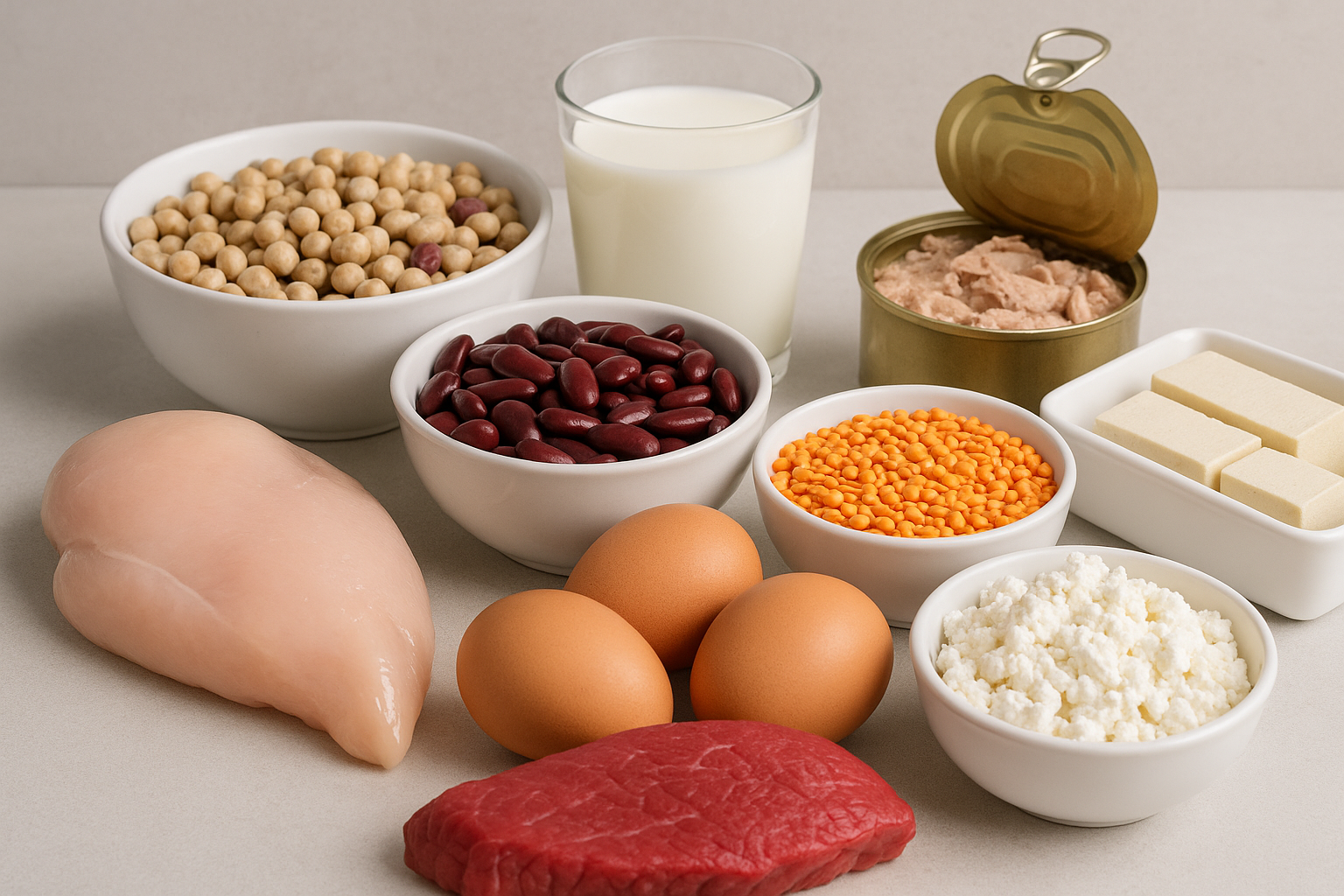
Cheap High Protein Food: The Best Budget Options for More Protein
If you are looking for cheap high protein food, the best choices are usually simple staples: eggs, canned tuna, Greek yogurt, cottage cheese, chicken thighs, lentils, beans, tofu, peanut butter, oats, and frozen edamame. These foods deliver a strong amount of protein per serving without relying on expensive powders, bars, or specialty products.
The key is not just finding foods with protein. It is finding foods that give you a good balance of protein per dollar, convenience, nutrition, and flexibility. A cheap food is only useful if you will actually eat it regularly and can turn it into quick meals.
Below is a practical guide to the best affordable protein sources, how to use them, and how to build low-cost high-protein meals without making your diet boring.
What Makes a Food “Cheap” and High in Protein?
A good budget protein food usually checks at least three of these boxes:
- High protein per serving: Ideally 10–30 grams of protein per meal component.
- Low cost per gram of protein: Beans, eggs, canned fish, dairy, and chicken often perform well here.
- Easy to prepare: Foods that require minimal cooking help you stay consistent.
- Versatile: The same ingredient can work in breakfast, lunch, dinner, or snacks.
- Nutritious overall: Look for fiber, minerals, healthy fats, or vitamins along with protein.
Prices vary by location, store, brand, and season, so think of this as a flexible list rather than a fixed ranking. Store brands, bulk bags, frozen items, and sales can dramatically lower your cost.
Best Cheap High Protein Foods to Buy
Here are some of the most reliable low-cost protein sources. Protein amounts are approximate and can vary by brand or preparation method.
| Food | Approx. Protein | Why It’s Budget-Friendly | Best Uses |
|---|---|---|---|
| Eggs | 6g per large egg | Affordable, easy, nutrient-dense | Breakfast, fried rice, sandwiches, salads |
| Canned tuna | 20–25g per can | Shelf-stable and lean | Tuna bowls, wraps, pasta, salads |
| Greek yogurt | 15–20g per cup | High protein with no cooking required | Breakfast bowls, sauces, smoothies |
| Cottage cheese | 24–28g per cup | Very high protein per serving | Snacks, toast, bowls, pancakes |
| Lentils | 18g per cooked cup | Cheap dry staple with fiber | Soups, curries, tacos, rice bowls |
| Black beans | 15g per cooked cup | Inexpensive, filling, versatile | Burritos, chili, bowls, dips |
| Chicken thighs | 20–25g per 3 oz cooked | Often cheaper than chicken breast | Sheet-pan meals, soups, rice bowls |
| Tofu | 10–20g per serving | Affordable plant protein | Stir-fries, scrambles, bowls, soups |
| Peanut butter | 7–8g per 2 tbsp | Calorie-dense and shelf-stable | Oats, smoothies, toast, sauces |
| Oats | 5–6g per 1/2 cup dry | Cheap base food with some protein | Breakfast, overnight oats, protein pancakes |
What Is the Cheapest Protein Source?
For most people, the cheapest protein sources are dry lentils, dry beans, eggs, canned tuna, peanut butter, oats, and store-brand Greek yogurt. If you compare strictly by grams of protein per dollar, dry beans and lentils are hard to beat. They also provide fiber, potassium, magnesium, and slow-digesting carbohydrates.
However, the “cheapest” choice depends on your needs. If you want a no-cook protein, Greek yogurt, cottage cheese, canned tuna, and canned beans are more convenient. If you want a complete protein with all essential amino acids, eggs, dairy, fish, poultry, tofu, and soy foods are strong choices.
Best Budget Picks by Category
- Cheapest pantry protein: Dry lentils, dry beans, canned tuna, canned sardines
- Cheapest breakfast protein: Eggs, oats with milk, Greek yogurt, cottage cheese
- Cheapest vegetarian protein: Lentils, beans, tofu, edamame, peanut butter
- Cheapest lean protein: Canned tuna, chicken breast on sale, turkey mince, egg whites
- Cheapest high-calorie protein: Peanut butter, whole milk, eggs, sardines
Affordable Animal-Based Protein Foods
Animal-based proteins are often dense in protein and contain all essential amino acids. They can be very budget-friendly if you choose the right cuts and formats.
Eggs
Eggs are one of the most useful cheap protein foods because they cook quickly and work in many meals. Two eggs provide about 12 grams of protein, plus nutrients such as choline, vitamin B12, selenium, and fat-soluble vitamins.
Budget meal ideas:
- Scrambled eggs with toast and fruit
- Egg fried rice with frozen vegetables
- Hard-boiled eggs with cottage cheese or yogurt
- Breakfast burritos with eggs, beans, and salsa
Canned Tuna, Sardines, and Salmon
Canned fish is convenient, shelf-stable, and usually less expensive than fresh seafood. Tuna is lean and high in protein, while sardines offer omega-3 fats, calcium if eaten with bones, and vitamin D.
Use canned fish in rice bowls, sandwiches, pasta, salads, or mixed with Greek yogurt instead of mayonnaise. If you eat tuna often, vary your seafood choices because some tuna can be higher in mercury. Light tuna is generally lower in mercury than albacore.
Chicken Thighs and Drumsticks
Chicken breast is popular, but thighs and drumsticks are often cheaper and more forgiving to cook. They stay juicy, work well in batch meals, and can be roasted, slow-cooked, grilled, or added to soups.
To stretch your budget, cook chicken with rice, beans, potatoes, frozen vegetables, or cabbage. These lower-cost ingredients help turn a protein source into several complete meals.
Greek Yogurt and Cottage Cheese
Plain Greek yogurt and cottage cheese are excellent high-protein foods that require no cooking. They are ideal when you need quick breakfasts or snacks. Choose larger tubs instead of single-serving cups for better value.
Easy combinations include:
- Greek yogurt with oats, banana, and peanut butter
- Cottage cheese on toast with tomato and black pepper
- Greek yogurt mixed with ranch seasoning as a high-protein dip
- Cottage cheese with fruit and cinnamon
Cheap Plant-Based High Protein Foods
Plant proteins are often the best choice when you want to lower grocery costs. They usually come with fiber and complex carbohydrates, which makes meals more filling.
Lentils
Lentils are one of the most budget-friendly proteins in any grocery store. They cook faster than most dry beans and do not require soaking. One cooked cup provides around 18 grams of protein and a large amount of fiber.
Use lentils in soups, stews, curries, taco filling, pasta sauce, or grain bowls. Red lentils break down into a creamy texture, making them excellent for curry and soup. Green and brown lentils hold their shape better for salads and bowls.
Beans
Black beans, pinto beans, chickpeas, kidney beans, and white beans are inexpensive and filling. Dry beans are usually cheapest, but canned beans are still a good value when time matters.
To improve flavor, cook beans with onion, garlic, cumin, smoked paprika, bay leaves, or bouillon. Add acid, such as lime juice or vinegar, at the end to brighten the taste.
Tofu and Soy Foods
Tofu is a low-cost complete plant protein, especially when bought in larger packs or from Asian grocery stores. Extra-firm tofu is best for pan-frying, baking, and stir-fries. Silken tofu works well in smoothies, sauces, and creamy soups.
Frozen edamame is another excellent soy protein. It cooks in minutes and can be added to rice bowls, noodle dishes, salads, or eaten as a snack with salt and chili flakes.
Peanut Butter
Peanut butter is not as protein-dense as chicken or tuna, but it is cheap, filling, and useful for adding calories and protein. It works especially well for people who struggle to eat enough food or need budget-friendly snacks.
Pair peanut butter with oats, whole-grain bread, bananas, yogurt, or smoothies. For a savory option, mix it with soy sauce, garlic, lime, and water to make a quick peanut sauce for noodles or tofu.
How to Build Cheap High Protein Meals
The easiest way to eat more protein on a budget is to build meals around a simple formula:
- Choose one protein: Eggs, beans, lentils, tofu, tuna, chicken, yogurt, or cottage cheese.
- Add a cheap base: Rice, oats, potatoes, pasta, tortillas, or whole-grain bread.
- Add vegetables: Frozen vegetables, cabbage, carrots, onions, spinach, or canned tomatoes.
- Add flavor: Salsa, soy sauce, hot sauce, curry paste, garlic, lemon, herbs, or spices.
- Add a fat if needed: Olive oil, peanut butter, avocado on sale, cheese, or seeds.
This structure keeps meals affordable while still feeling varied. For example, beans and rice can become a burrito bowl with salsa, a chili with tomatoes and spices, or a quick taco filling with cabbage and lime.
High Protein Budget Meal Ideas
Breakfast Ideas
- Greek yogurt oat bowl: Greek yogurt, oats, banana, cinnamon, and peanut butter.
- Egg and bean burrito: Scrambled eggs, black beans, salsa, and a tortilla.
- Cottage cheese toast: Whole-grain toast with cottage cheese, tomato, pepper, and salt.
- Overnight oats: Oats soaked with milk or yogurt, topped with fruit.
Lunch Ideas
- Tuna rice bowl: Canned tuna, rice, cucumber, frozen edamame, and soy sauce.
- Lentil soup: Lentils, canned tomatoes, carrots, onion, garlic, and spices.
- Chicken thigh meal prep: Roasted chicken thighs with potatoes and frozen vegetables.
- Chickpea salad wrap: Mashed chickpeas, Greek yogurt, mustard, celery, and tortillas.
Dinner Ideas
- Tofu stir-fry: Tofu, frozen mixed vegetables, rice, garlic, and soy sauce.
- Bean chili: Beans, canned tomatoes, onion, chili powder, and optional ground meat.
- Egg fried rice: Leftover rice, eggs, peas, carrots, and green onion.
- Lentil curry: Red lentils, curry powder, canned tomatoes, and rice.
How to Save More Money on Protein
Small shopping habits can make a big difference over a month. Use these strategies to keep protein affordable:
- Buy store brands: Generic Greek yogurt, beans, oats, cottage cheese, and canned fish are often similar quality for less.
- Use dry beans and lentils: They cost less than canned and store for months.
- Shop frozen: Frozen vegetables, edamame, fish, and chicken can be cheaper and reduce food waste.
- Check unit prices: Compare price per ounce, pound, or kilogram instead of package price.
- Batch cook: Cook lentils, rice, beans, or chicken once and use them in different meals.
- Limit protein bars: They are convenient but usually expensive per gram of protein.
- Use meat as part of the meal, not the whole meal: Combine smaller portions of meat with beans, grains, and vegetables.
Sample One-Day Cheap High Protein Meal Plan
Here is a simple example that uses affordable ingredients and avoids specialty products.
| Meal | Example | Approx. Protein |
|---|---|---|
| Breakfast | Greek yogurt with oats, banana, and peanut butter | 25–35g |
| Lunch | Rice bowl with black beans, eggs, salsa, and cabbage | 25–35g |
| Snack | Cottage cheese with fruit | 20–28g |
| Dinner | Lentil curry with rice and frozen vegetables | 25–35g |
This style of meal plan can provide plenty of protein while keeping costs low. Adjust portions based on your appetite, goals, and activity level.
How Much Protein Do You Actually Need?
Protein needs depend on body size, age, training, health status, and goals. A general baseline for healthy adults is around 0.8 grams of protein per kilogram of body weight per day. People who lift weights, are trying to build muscle, are dieting, or are older may benefit from more, often in the range of 1.2–2.0 grams per kilogram, depending on the situation.
You do not need to hit a perfect number at every meal. A practical approach is to include a solid protein source at breakfast, lunch, and dinner, then add a high-protein snack if needed.
Common Mistakes When Buying Budget Protein
- Only looking at the front label: “High protein” snacks may still be expensive and less filling than basic foods.
- Ignoring serving size: Some foods seem high in protein until you notice the serving is unrealistic.
- Forgetting preparation cost: A cheap ingredient is less useful if it requires too much time or extra expensive ingredients.
- Buying too much fresh meat at once: Freeze what you will not use within a few days to prevent waste.
- Skipping flavor: Budget meals fail when they taste bland. Keep inexpensive seasonings, sauces, and acids on hand.
FAQ: Cheap High Protein Food
What food has the most protein for the lowest price?
Dry lentils and dry beans are usually among the best values for protein per dollar. Eggs, canned tuna, tofu, peanut butter, oats, and store-brand Greek yogurt are also strong budget choices depending on local prices.
How can I get 100 grams of protein a day cheaply?
Build the day around affordable staples. For example: Greek yogurt at breakfast, eggs and beans at lunch, cottage cheese as a snack, and lentils or chicken thighs at dinner. You can reach 100 grams without protein powder if you include protein in every meal.
Are canned beans a good high-protein food?
Yes. Canned beans are affordable, convenient, and filling. They are not as cheap as dry beans, but they save time and still provide protein, fiber, iron, potassium, and slow-digesting carbohydrates. Rinse them to reduce sodium if needed.
Is chicken breast the best cheap protein?
Chicken breast is lean and high in protein, but it is not always the cheapest option. Chicken thighs, drumsticks, eggs, canned fish, lentils, beans, tofu, and dairy can be better values depending on prices in your area.
What are the best cheap high-protein snacks?
Good budget snacks include hard-boiled eggs, Greek yogurt, cottage cheese, peanut butter toast, roasted chickpeas, tuna on crackers, edamame, and oats made with milk.
Can I eat high protein on a vegetarian budget?
Yes. Focus on lentils, beans, chickpeas, tofu, tempeh when affordable, edamame, Greek yogurt, cottage cheese, eggs if you eat them, oats, and peanut butter. Combining legumes with grains also helps create balanced, filling meals.
Conclusion: Start With Simple Protein Staples
The best cheap high protein food is not a single product. It is a short list of dependable staples you can use repeatedly: eggs, beans, lentils, canned tuna, Greek yogurt, cottage cheese, tofu, chicken thighs, oats, and peanut butter.
For your next grocery trip, choose three protein staples, one cheap carbohydrate base, two vegetables, and two flavor boosters. That simple plan is enough to create several affordable, high-protein meals without overcomplicating your diet.