Category: Fitness

Kegels for Men: How to Do the Pelvic Floor Exercise (Plus Reverse Kegels)
Kegels for men are pelvic floor exercises that strengthen the muscles used to control urine and bowel movements. To do them, isolate the pelvic floor, tighten it for a short hold, then fully relax for the same time. Repeat in sets daily at first, then progress gradually. If you tend to feel pelvic “tightness,” add…
Testosterone Men Over 50: Labs-First Best Supplements & TRT
Testosterone men over 50 often notice changes like lower energy, reduced sex drive, and loss of muscle—but symptoms alone can’t confirm low testosterone. The “best testosterone supplement for men over 50” depends on whether you’ve actually had labs showing testosterone deficiency. If deficiency is confirmed, discuss testosterone replacement therapy (TRT) with a clinician and review…
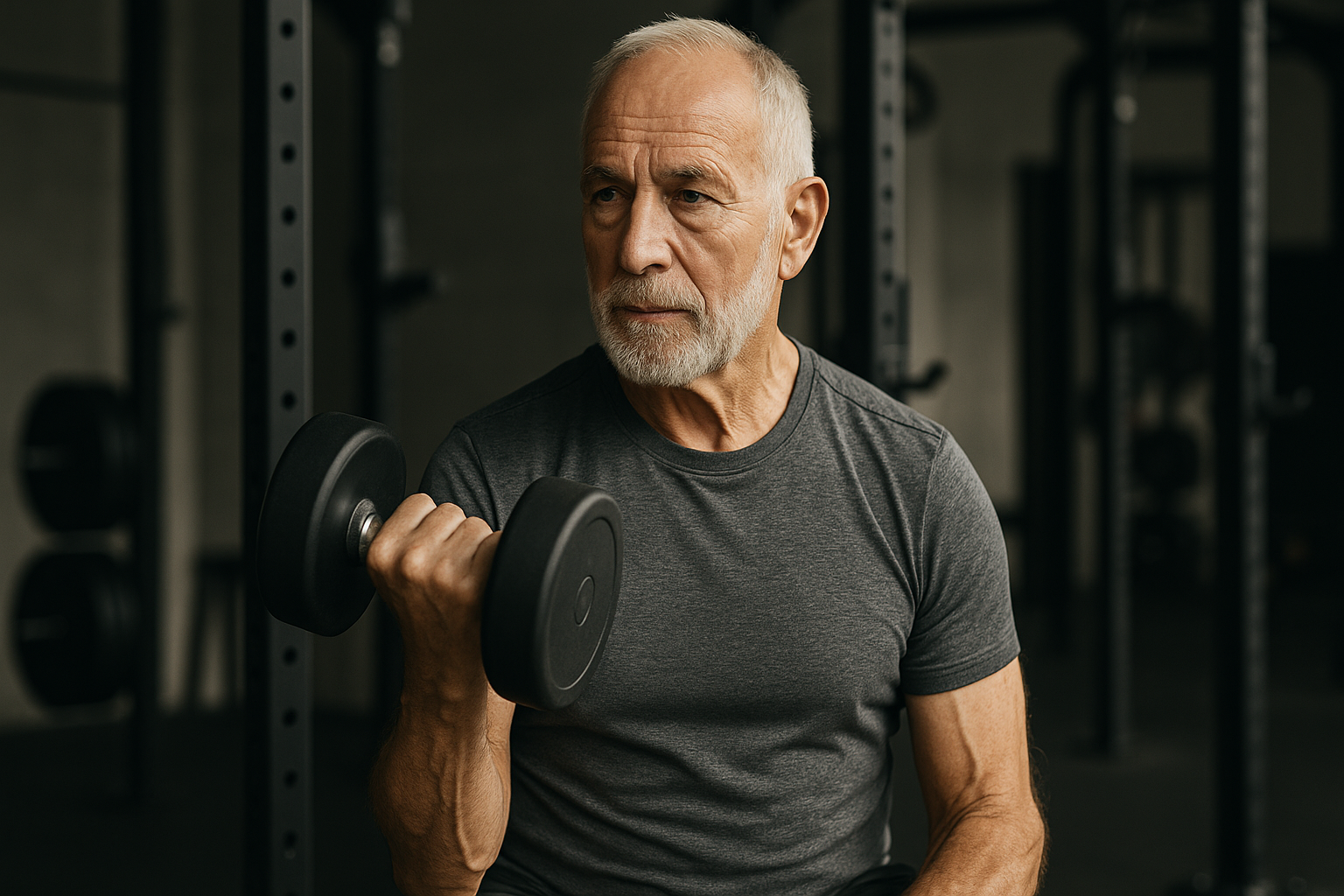
Best Exercises for Men Over 60: Joint-Safe Strength, Low-Impact Cardio & Mobility
Disclaimer: This is general fitness information and not medical advice. If you have heart disease, recent surgery, unexplained pain, or a new/worsening condition, check with a clinician before starting (or changing) exercise. If you feel sharp, persistent pain—or pain that worsens during/after—stop and modify, and consider professional guidance. If you’re searching best exercises for men…
Strength Training for People Over 60: 8-Week Joint-Friendly Plan
Strength training for people over 60 is one of the most reliable ways to protect joints, improve day-to-day function, and keep your body capable as the years add up. The key is not “more exercise”—it’s the right movements, the right volume, and safe progressions that respect pain signals. This is general fitness information, not medical…
Ab Workouts for Men: 10-Minute Home & Gym Routine
Looking for ab workouts for men that actually fit real schedules? Below you’ll get three do-this-now routines built around how the core works (upper abs, lower abs, and obliques), plus clear progression so you can improve week to week. Pick the version that matches your setup—ab workouts for men no equipment, ab workouts for men…
Progressive Resistance Training for Seniors: 4-Week Plan
Resistance training for seniors is one of the safest, most reliable ways to stay capable as the years add up—if you use the right structure. This guide walks you through progressive resistance training for seniors using a simple 2-day-per-week plan, clear progression rules (how to increase effort without getting hurt), and practical exercise substitutions for…
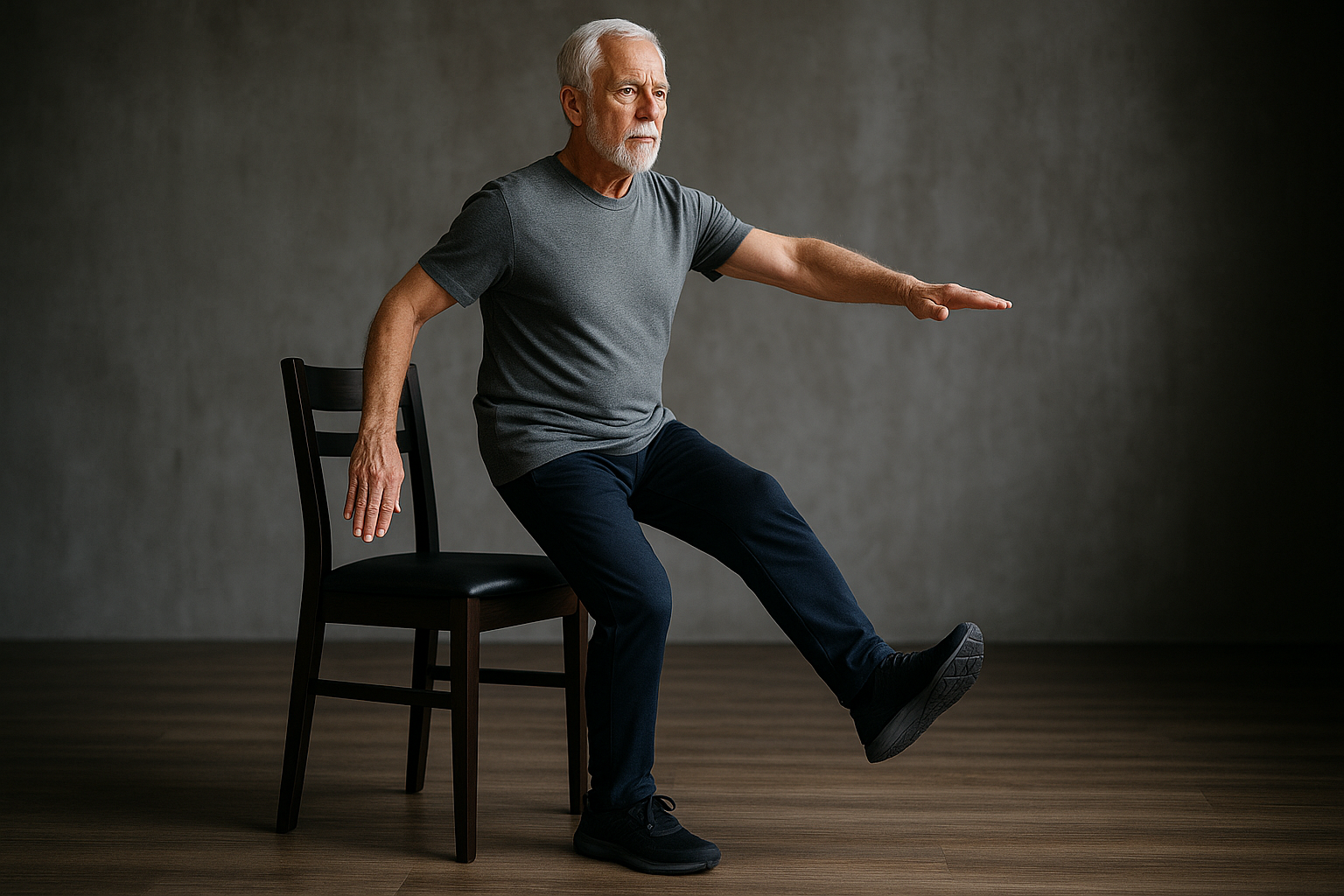
Exercise for Balance for Elderly: 10–15 Min Chair-Supported Program
If you’re looking for an exercise for balance for elderly that actually fits real life—standing safely, building control step by step, and reducing fall risk—this chair-supported plan is for you. We’ll walk through a Levels 1–3 progression (static → dynamic → walking) with clear reps/time, form cues, and stop rules so you can train consistently…
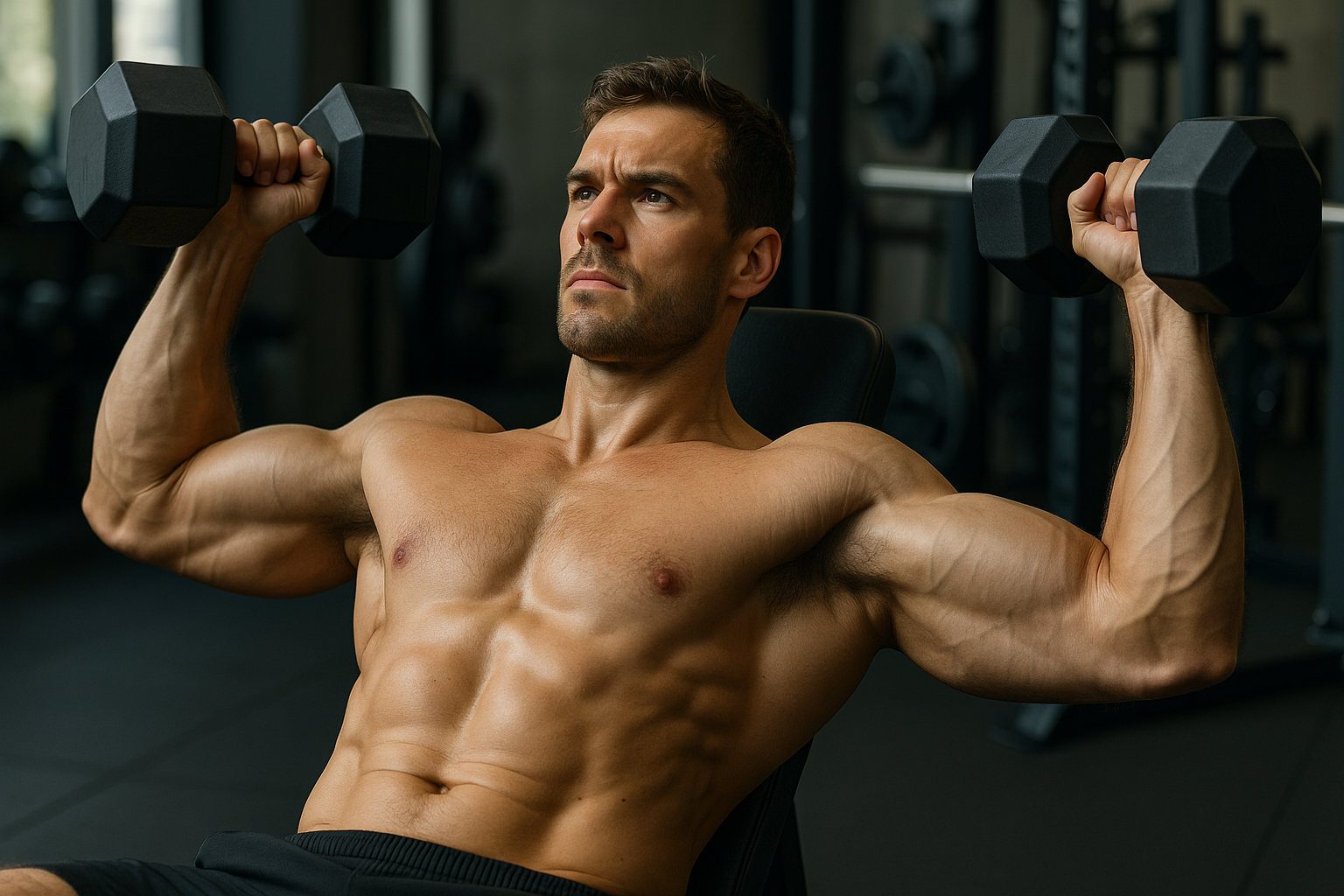
20-Minute Upper Body Dumbbell Workout (Chest, Back, Shoulders) + 15/10-Min
If you’re searching for a 20-minute upper body dumbbell workout, you probably want two things: a plan you can start today and a time-boxed routine that actually hits chest, back, shoulders, and arms without wasting rest time. Below is a complete, equipment-neutral (dumbbells required) upper-body circuit with exact sets, reps, rest times, and progression for…
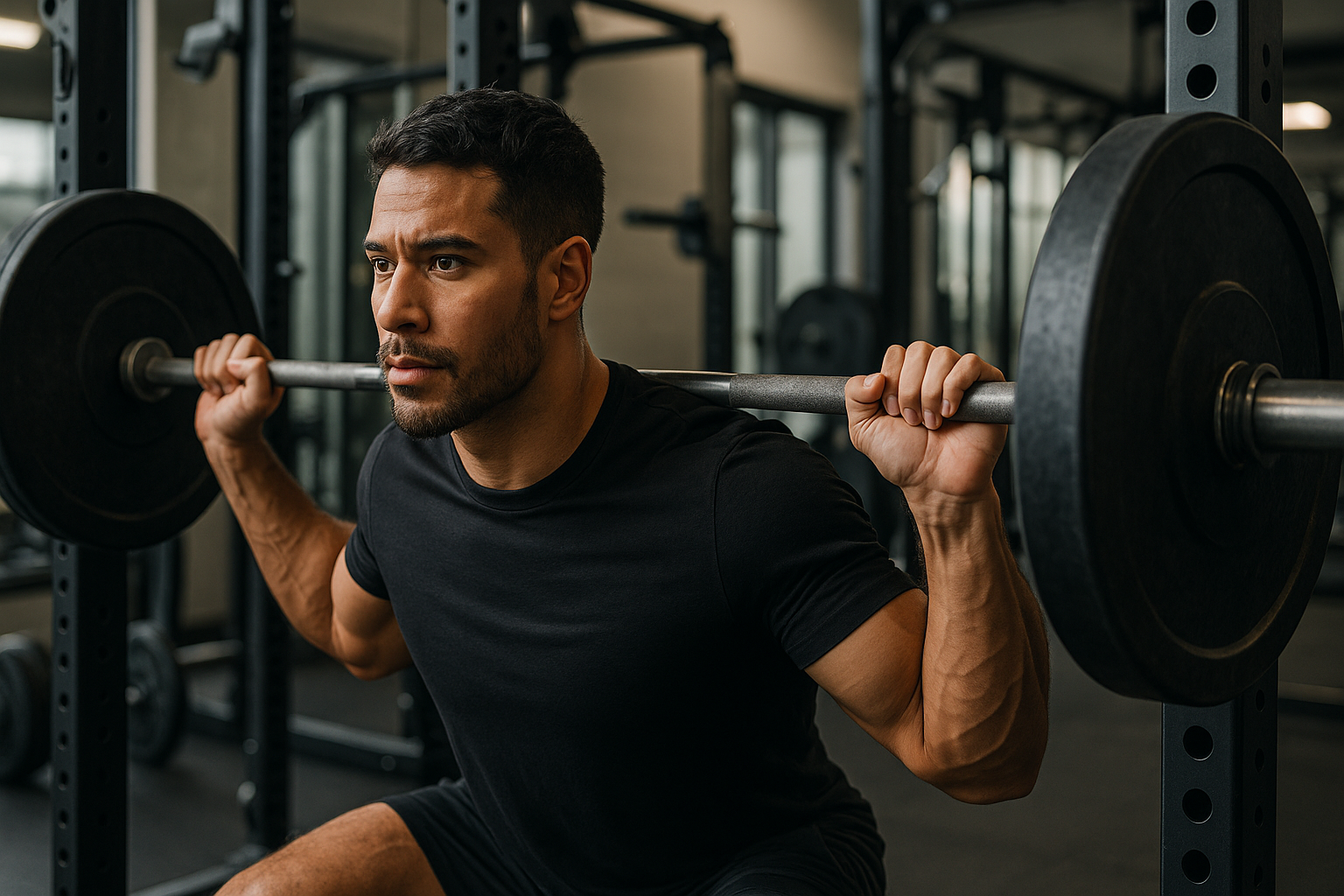
Strength Training for Beginners: Weekly Plan, Isotonic Exercises, Calories
Safety note (not medical advice): Strength training advice here is general information. Stop if you experience sharp pain, dizziness, or symptoms that feel abnormal. If you have injuries, pain, or a medical condition, consider getting clearance from a qualified clinician/physio and (ideally) professional coaching for technique. Start conservative with loads and prioritize form. If you’ve…
Thymosin Function Explained: Thymosin vs Thymopoietin + Alpha-1 Benefits
Thymosin function is best understood as an immune-signaling role: these small thymus-derived peptides help coordinate key steps in T-cell development and broader immune regulation. If you’ve searched what does thymosin do, where is thymosin produced, or thymosin alpha-1 how long to take, this guide breaks it down in plain English—then separates what’s biologically plausible from…