
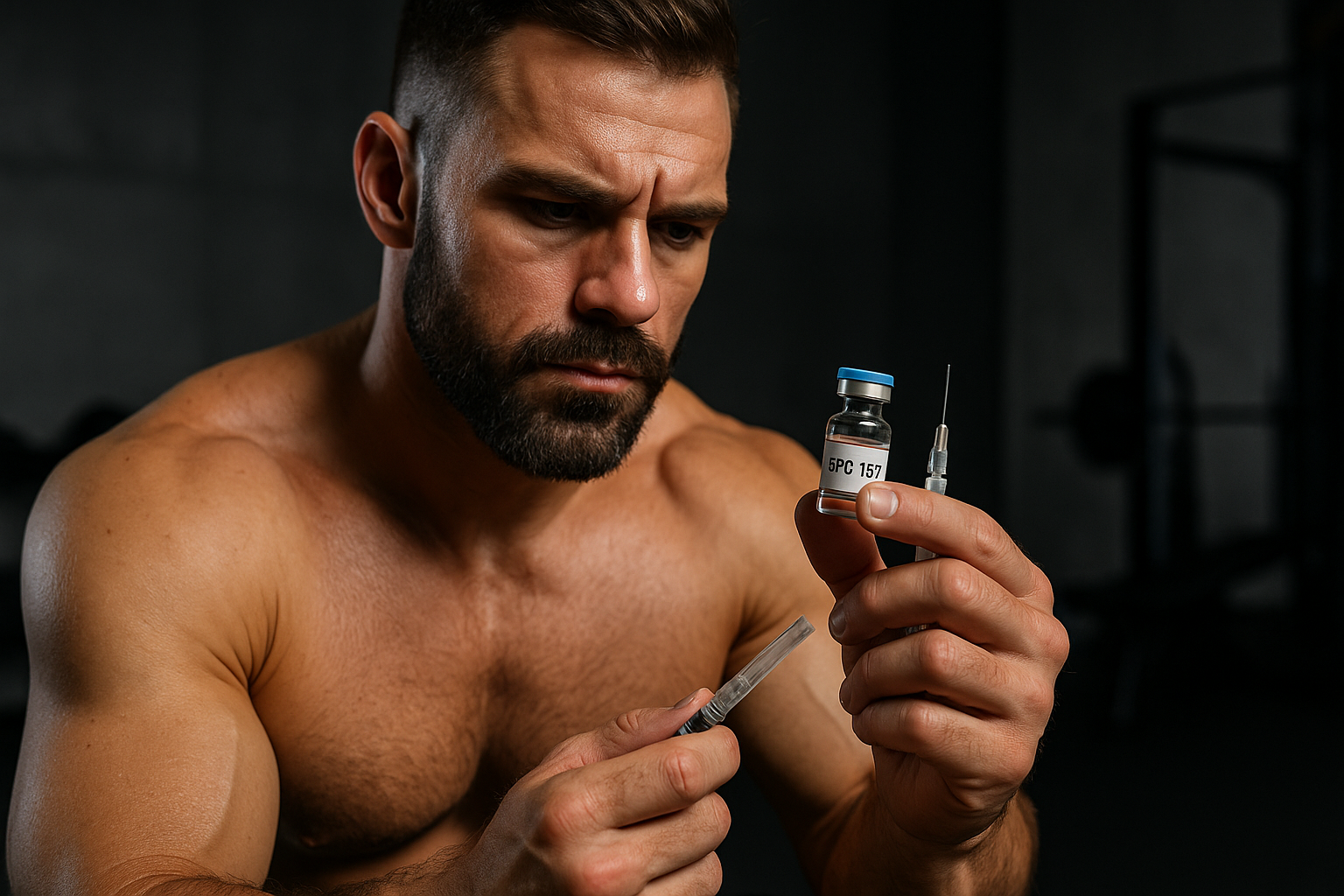
Peptides like BPC-157 are widely discussed online for injury healing and soft tissue recovery. But the big question athletes ask—“does it work, is it safe, and is it legal?”—doesn’t have a simple yes. In this evidence-first guide, we break down what BPC-157 is, what research suggests (mostly preclinical), what’s still unknown for human safety/efficacy, and what you should consider before using any peptide strategy.
Quick take: BPC-157 has interesting lab and animal research behind it, and it’s frequently mentioned in the context of tissue repair. However, reliable human safety data and strong clinical outcome evidence are limited. Also, legality and product quality can vary substantially by country/state, and some products may be sold as “research chemicals” rather than clinically evaluated therapies.
Medical/safety disclaimer: This article is for education, not medical advice. BPC-157 and “peptides like BPC-157” may be uncertain in humans depending on the specific compound and your jurisdiction. Consult a qualified healthcare professional—especially if you have an injury, are taking medications, or have underlying health conditions. Avoid assuming guaranteed results.
What are peptides like BPC-157?
BPC-157 basics (name, category, why it’s discussed for recovery)
BPC-157 stands for Body Protection Compound-157 (also written as “Body Protective Compound 157”). It’s a synthetic peptide discussed for its potential role in tissue repair and injury healing, particularly involving soft tissue.
Online, BPC-157 is usually framed as a “recovery peptide therapy” option for athletes who want to speed up return-to-training after strains, tendon irritation, ligament issues, or other soft-tissue problems. The reason it stays in circulation is that early-stage preclinical work has reported biological effects related to healing pathways.
How “peptide therapy” differs from research-chemical marketing
One reason SERPs can feel confusing is that “peptide therapy” can mean different things:
- Clinically evaluated therapy: a peptide (or medication) studied for safety, dosing, and outcomes in humans under regulatory oversight.
- Research-chemical marketed peptides: peptides sold outside that framework—often with limited human data, variable purity, and inconsistent labeling.
Many products labeled as BPC-157 (or “peptides like BPC-157”) aren’t the same as a regulated prescription product with standardized testing. That distinction matters for both human safety data and what you can reasonably expect from it.
For a deeper look at the athlete-oriented side (including risks and legality), you can also read BPC-157 for Athletes: Recovery, Risks and Legality.
Evidence overview: what research suggests (and what it doesn’t)
Preclinical findings vs. human outcomes (safety/efficacy gap)
The strongest rationale for BPC-157 comes from preclinical biomedical research—cell studies and animal models. A helpful way to anchor the discussion is through the peer-reviewed literature review: Local and Systemic Peptide Therapies for Soft Tissue Injury (PMC).
In general, reviews like this describe that peptide therapies have been studied for potential effects on processes relevant to soft tissue injury, including pathways involved in healing and inflammation regulation. But there’s a persistent limitation: translating effects from models to consistent human outcomes is difficult.
What’s known:
- BPC-157 has been studied in non-human models and discussed in the context of tissue repair and recovery-related biological mechanisms.
- Peptides can influence signaling pathways that may be relevant to healing.
What’s not well established:
- Effect size in humans for specific injuries (e.g., hamstring strain vs. tendonitis) using standardized protocols.
- Human safety profiles across repeated or long-term use.
- Reliable dosing and timing recommendations tied to proven clinical outcomes.
- Quality consistency when peptides are sold as “research chemicals.”
So when someone claims “BPC-157 will fix your injury,” that’s not something the current evidence can support as a guarantee.
Common claims you’ll see online—how to interpret them critically
Here are frequent marketing claims athletes run into and a practical way to “claim-check” them:
- Claim: “It heals any injury.”
Reality check: Soft tissue injuries differ. Evidence tends to be model-based, and humans aren’t lab animals. - Claim: “It’s safe because it’s a peptide.”
Reality check: “Peptide” doesn’t automatically mean “safe.” Safety depends on dose, purity, route, contamination risk, and your health context. - Claim: “You’ll know it’s working fast.”
Reality check: Even if biological effects occur, symptom relief and true tissue remodeling timelines aren’t identical. - Claim: “Lab-tested = clinically proven.”
Reality check: Some vendors provide COAs (certificates of analysis), but that doesn’t equal randomized controlled trials for injury outcomes.
Bottom line: treat BPC-157 and “peptides like BPC-157” as hypothesis-driven rather than proven therapy for most athlete injuries.
Peptides commonly compared to BPC-157 for recovery (and why)
Athletes rarely search only “BPC-157.” They search for peptides like BPC-157—meaning alternatives with similar intentions. Below we group commonly mentioned peptides by the type of mechanism they’re marketed around (not promises), so you can compare them more responsibly.
Peptides for soft tissue repair/support (mechanism-adjacent comparisons)
Peptides in this “support healing” bucket often get discussed alongside BPC-157 because they’re framed as influencing healing processes in soft tissues.
- TB-500 (thymosin beta-4): frequently mentioned for tissue repair and recovery support. Like BPC-157, much of the excitement outpaces human clinical data.
- GHK-Cu (copper peptide): sometimes discussed for wound-healing and skin/tissue repair contexts. Human evidence varies by application.
- Collagen-stimulating peptides (various):> marketed to support structural tissue remodeling. Evidence is often more robust in specific skincare or nutrition-adjacent contexts than in injury healing outcomes.
How to compare responsibly: ask what tissue type (tendon, ligament, muscle), what injury timeline, and what endpoints matter (pain/function vs imaging vs return-to-play). Most online comparisons ignore this specificity.
Peptides often mentioned for inflammation/recovery support
Another comparison category includes peptides discussed for reducing inflammation or modulating recovery stress responses.
- Thymosin-derived discussions (overlaps with TB-500): often framed around inflammation and repair processes.
- Anti-inflammatory peptide marketing: you’ll see various peptides grouped under “recovery.” The key is whether there is human evidence for your intended injury type—not just general biological activity.
Claim-check: reduced inflammation signals aren’t automatically the same as faster, stronger tissue regeneration.
Peptides often mentioned for muscle growth support (brief context)
Some athletes compare BPC-157-adjacent peptide conversations with muscle growth peptides because both sit under “recovery,” “performance,” and “results.” But muscle growth and injury healing are different goals.
If your main aim is muscle growth, it may be more relevant to focus on training and proven nutrition levers first. You can also see: Best Peptides for Muscle Growth in 2026: A Complete Guide for Men.
Still, even in that category, evidence quality and legality can vary—so apply the same evidence/safety mindset.
Safety, legality, and availability: key considerations
Prescription vs. “research chemical” reality (high-level)
Legality of peptides varies widely by jurisdiction. In some places, certain peptides may be prescription-only under specific regulatory frameworks; in others, they may be sold online as research chemicals. Even when products are available, they may not be clinically evaluated for the injury claims athletes care about.
That creates a practical triad of uncertainty:
- What you’re actually getting: purity, identity, and contamination risk.
- Whether it’s been evaluated for your use: injury type, dosing, safety profile, and adverse effects.
- Whether it’s legal for you: rules can differ by country/state and may change.
If you’re comparing “peptides like BPC-157,” prioritize the compliance question first: are you using something that is legal and medically supervised where you live?
What to watch for (quality control, unknowns, adverse-effect risk)
Even if you’re only considering “research-chemical” availability, the following risk factors matter:
- Quality control transparency: look for independent testing practices and clear documentation (not just marketing claims).
- Inconsistent labeling: peptides can be mislabeled or have variable purity.
- Unknown long-term safety: many peptide regimens aren’t studied long-term in humans for the specific outcomes athletes want.
- Adverse-effect reporting gaps: without clinical trials, you may not hear about rare or delayed issues.
- Medication interactions: if you take prescription drugs or have comorbidities, “peptide therapy” may add risk.
Practical athlete takeaway: if your injury is sidelining you, the safest plan is to confirm the diagnosis with a qualified clinician first. Then evaluate whether any supplement/biologic approach is appropriate and legal—not the other way around.
Also, don’t ignore training and recovery basics. For example, if you’re tempted to chase recovery with compounds while neglecting nutrition, it can backfire. If you want budget-friendly ways to support tissue repair via diet, you may find these useful: Cheap High Protein Meals for Muscle Gain and 7 Cheap High Protein Snacks for Muscle Gain (Portable Bodybuilding Snacks).
How to choose a peptide strategy responsibly (athlete-focused)
Decide based on goals, risk tolerance, and available evidence
If you’re determined to explore peptides like BPC-157, use a “responsibility checklist” rather than a hype checklist:
- Define the injury and endpoint: What exactly is wrong (diagnosis), and what would “better” mean (pain-free training, strength return, functional test)?
- Match the claim to the evidence: Is there human data for your specific context, or is it mostly preclinical?
- Assess safety unknowns: Are you comfortable with limited human safety/efficacy certainty?
- Check legality first: confirm what’s legal where you live and for your sport/testing category.
- Consider clinician oversight: would a qualified healthcare professional monitor your situation?
- Plan for alternatives: physical therapy, rehab programming, sleep optimization, and nutrition often have clearer benefits and less regulatory risk.
Good rule of thumb: if a product is marketed with guaranteed healing timelines, red flags should go up immediately.
When to consult a qualified clinician
Don’t self-experiment blindly if:
- You suspect a tendon/ligament rupture, a stress fracture, or a compartment issue.
- You have persistent pain, swelling, numbness, or loss of function.
- You’re dealing with recurrent injuries or unclear diagnosis.
- You’re taking medications or have a health condition that could change risk.
A clinician can help you establish a realistic recovery plan and ensure you’re not masking a problem that needs proper treatment.
Bottom line
Peptides like BPC-157 are popular in men’s health and athlete communities due to the idea of supporting tissue repair and injury healing—especially around soft tissue. The scientific signal behind BPC-157 comes mainly from preclinical research, and the evidence gap for consistent human injury outcomes and robust human safety data is real.
Legality and quality also vary. Your safest “next step” isn’t chasing hype—it’s aligning your recovery approach with diagnosis, rehab fundamentals, and compliance, and treating any peptide discussion as an uncertain, evidence-limited option that should be guided by qualified medical oversight.
Who should not consider it + what “informed” means
- Don’t consider peptides without clinician input if you have medical conditions, are on medications, or have an unresolved injury diagnosis.
- Avoid “guaranteed outcome” thinking. Informed means you understand the uncertainty: what’s studied vs. what’s promised.
- Verify legality before spending money or making training decisions based on uncertain availability or testing rules.
FAQ: Peptides like BPC-157
What does BPC-157 stand for, and what is it commonly used for?
BPC-157 stands for Body Protection Compound-157. Online, it’s commonly discussed for recovery, tissue repair, and soft tissue injury healing—especially in athletes dealing with strains or other soft-tissue issues.
Are peptides like BPC-157 proven to improve human injury healing?
Not in a strong, clinically proven way for most athlete injuries. The best available rationale is largely preclinical. Human evidence for consistent efficacy and comprehensive safety is limited, and quality/legal variability can further complicate outcomes.
What’s the difference between peptide therapy and “research chemical” peptides?
Peptide therapy implies regulated, clinically evaluated medical use with established dosing and safety/efficacy data. Research chemical peptides are sold outside that framework and may have limited human evaluation, variable quality, and unclear labeling.
Is BPC-157 prescription-only, and how does legality vary by country/state?
Legality varies significantly depending on your jurisdiction and the product’s regulatory status. In some regions it may be prescription-only or restricted; in others, it may be sold as a research chemical. Because rules can change, you should confirm legality where you live and for your sport/testing requirements.
What risks or unknowns should athletes consider before using peptides for recovery?
Key concerns include limited human safety data, uncertain efficacy for specific injuries, possible product purity/identity issues (especially with “research chemicals”), and potential adverse effects that aren’t well characterized. The safest approach starts with a proper injury diagnosis and clinician guidance.
How can I evaluate peptide claims online to avoid misleading marketing?
Look for three things: (1) whether claims are supported by human evidence (not just animal or cell studies), (2) whether the product’s regulatory status and quality control are credible, and (3) whether the marketing avoids “guaranteed results” language. If it sounds too certain, treat it as a red flag.
Next step: If you want a more athlete-specific safety/legal breakdown, read BPC-157 for Athletes: Recovery, Risks and Legality—then build your recovery plan around diagnosis, rehab, sleep, and nutrition before chasing uncertain compounds.