
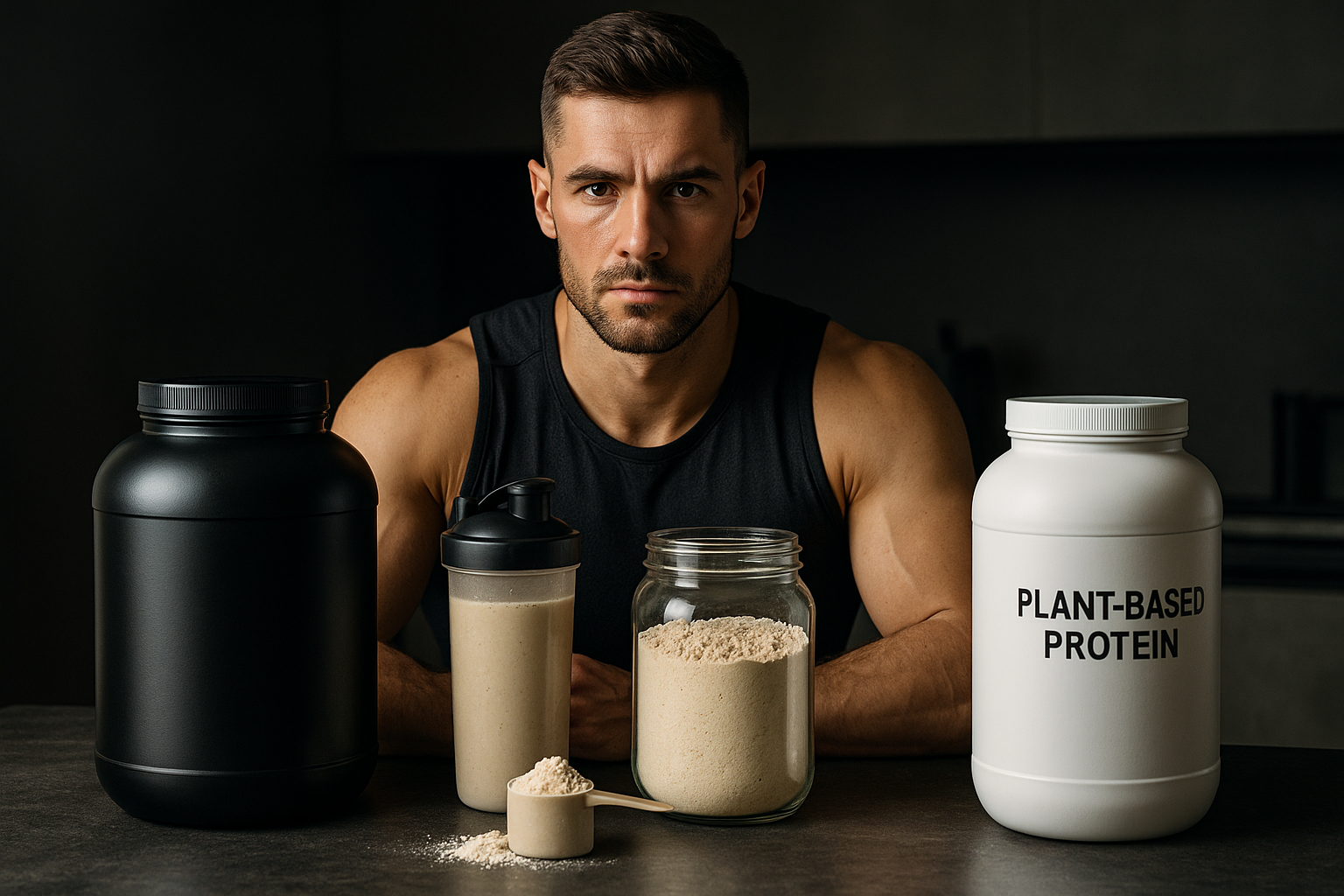
Choosing a high-quality protein powder shouldn’t feel like gambling. The best option depends on your goal (muscle gain vs weight loss), your tolerance, and what’s actually in the scoop—not just the brand name. In this guide, I’ll show you a strict label-based checklist for protein powder high quality, then match the right protein type (whey, isolate, plant-based, collagen) to your target results.
Quick answer: For most men aiming for high quality protein powder for muscle gain, you’ll usually prioritize a whey-based product with strong protein per serving and minimal added ingredients. For high quality protein powder for weight loss, the priorities shift to calories, carbs/sugar, and satiety-friendly macros—not just “more grams of protein.”
Note: This article is for general education and does not constitute medical advice. If you have kidney disease, diabetes, or other medical conditions, consult a clinician before using protein supplements. If you are under medical supervision (e.g., bariatric surgery or restrictive diets), follow guidance from your healthcare team.
What “high-quality protein powder” actually means (selection criteria)
When I evaluate protein supplements for clients, I treat “high quality” as a set of verifiable signals. Use the checklist below to separate truly solid products from powders that look good on the label but underperform where it counts.
Protein source matters: whey vs whey isolate vs plant-based vs collagen
Your protein source influences digestion, amino acid profile, and whether the product supports your specific goal. Here’s the practical breakdown:
- Whey (concentrate): Often best for muscle gain because it’s rich in essential amino acids and typically delivers leucine (a key trigger for muscle protein synthesis) effectively. Some products contain lactose and more carbs.
- Whey isolate: More refined and usually lower in lactose and fat/carbs than concentrate—useful if you’re sensitive to dairy.
- Plant-based (pea, rice, blends): Great if you avoid dairy. Look for blends that improve the amino acid mix and keep protein per serving high.
- Collagen: Primarily used for connective tissue/skin and as a “protein add-on.” It’s not a direct 1:1 replacement for whey for muscle-building because collagen’s amino acid profile differs (notably lower in certain essential amino acids).
Ingredient quality & transparency (what to look for on the label)
Use these rules to spot protein powder high quality fast:
- Protein per serving is the anchor. Compare labels in real terms. A “protein powder high quality” product will give you a meaningful amount of protein for the calories you’re paying.
- Protein source is specific, not vague. “Milk protein blend” is less clear than “whey protein isolate” or “pea protein isolate.” Specific sourcing is a quality signal.
- No filler that steals your protein. Check the ingredient list for low-value bulk ingredients (unless they’re used for texture/dissolution in small amounts).
- Added ingredients are minimal and purposeful. Sweeteners, fibers, and flavorings can be fine, but you want them to be controlled—not a long list that changes your macros unpredictably.
- Carbs and sugar are reported clearly. This matters most for high quality protein powder for weight loss and for anyone monitoring insulin response or overall calories.
Additives to be cautious about (sweeteners, thickeners, “proprietary blends”)
Many supplements contain safe ingredients, but your job is to choose the least hassle. Watch for:
- Proprietary blends: If the label hides exact dosages (e.g., “proprietary blend of enzymes and extracts”), you can’t judge quality or relevance.
- Thickeners/gums in large amounts: Not always “bad,” but some people find them bloating. If you’re sensitive, look for simpler ingredient profiles.
- Highly variable sweeteners: If you’re trying to keep calories low or avoid GI issues, check the sweetener type and serving amounts.
- “Weight loss” claims: Protein powders should not be treated like fat-loss drugs. If the marketing promises more than protein can realistically do, move on and prioritize label quality.
Third-party/testing & quality assurance signals (how to verify)
Third-party testing is one of the strongest quality signals. It doesn’t mean every product is perfect, but it reduces uncertainty. Look for:
- Certificates of Analysis (COAs) or clear testing statements on the brand site.
- Independent verification for contaminants (commonly heavy metals and other banned substances).
- Consistency: Some brands publish test results by lot—this is usually a better signal than generic “tested” marketing.
If you want a broader context on protein supplementation guidance, Hopkins Medicine provides bariatrics-focused nutrition supplement guidance that’s useful for understanding how clinicians frame protein intake from supplements: Hopkins Medicine: Suggested Protein Supplements (bariatrics nutrition guidance).
For an overview of how major retailers evaluate protein powders (including testing/quality angles), you can also reference: Forbes Vetted: Best Protein Powders 2026.
How we evaluate (our checklist): When I review products for readers, I start with protein per serving and serving protein quality (amino acid relevance to your goal), then inspect ingredient transparency (exact protein source, no proprietary blends), and finally confirm quality assurance signals (third-party testing/COAs where available). The product must match the goal macros and be something you’ll actually use consistently.
Best protein powder by goal: muscle gain vs weight loss
Many “best protein” lists ignore the fact that your calorie target changes what “high-quality” means. Here’s how to choose based on your objective.
High quality whey protein powder for muscle gain (who it fits)
If your goal is high quality protein powder for muscle gain, you’re mostly optimizing for:
- High protein per serving without excessive extra calories
- Good amino acid availability (whey tends to perform well here)
- Consistency and tolerability (smooth digestion = you stick with it)
When whey (or whey isolate) is a strong choice:
- You’re building muscle with progressive resistance training
- You tolerate dairy well
- You want an easy “protein gap filler” before/after training
If you get bloating or GI discomfort from dairy, consider high quality whey isolate protein powder instead of concentrate. Isolate is often lower in lactose and fat/carbs, which can make it easier to use on training days and in a calorie-controlled diet.
High quality protein powder for weight loss (what to prioritize)
For high quality protein powder for weight loss, “best” often comes down to satiety-friendly macros:
- Protein per calorie: You want a high protein yield without extra sugars or excessive carbs/fats.
- Low sugar/carbs: Not always zero carbs, but avoid products that quietly turn your shake into dessert.
- Fewer unnecessary calories: Flavors and thickeners are fine—just ensure they don’t add bulk calories.
- Digestive tolerance: If a powder upsets your stomach, it won’t help you stay consistent.
Can protein powder replace meals? It can replace a meal occasionally if the product fits your calorie target and you can maintain overall nutrition. But for long-term fat loss, most men do better using protein powder to:
- fill protein gaps between meals
- create a quick high-protein snack
- support a calorie deficit without feeling under-recovered
If you want more practical meal/snack ideas to build a calorie-conscious high-protein plan, see:
- Cheap High Protein Meals for Muscle Gain
- 7 Cheap High Protein Snacks for Muscle Gain (Portable Bodybuilding Snacks)
When plant based protein helps (high quality vegan protein powder / pea protein)
Plant-based protein is a good fit when you prefer vegan options, have lactose intolerance, or simply want non-dairy. To find a high quality plant based protein powder, look for:
- Enough protein per serving for your daily total
- Amino acid completeness: Many high-quality blends pair pea with other plant proteins (like rice) to improve the profile
- Lower fiber/gums if you’re sensitive (some blends can be heavy or cause GI discomfort)
High-quality pea protein powder is often a solid base, but the “best” plant option for you depends on how it mixes, tastes, and digests—not just that it’s “vegan.”
Whey vs isolate vs plant-based: quick decision guide
If you’re overwhelmed, use this simple decision tree approach: pick the protein type that matches your digestion and goal macros, then verify it with the checklist above.
High quality whey protein powder vs high quality whey isolate protein powder
Choose whey concentrate (or a whey blend) if:
- you tolerate dairy
- you want strong muscle-building support with decent cost
Choose whey isolate if:
- you’re sensitive to lactose
- you want lower carbs/fat and a cleaner macro profile
- you’re using protein powder in a stricter calorie deficit
Either can be a high quality protein powder when the label supports it (protein per serving, transparent sourcing, and quality assurance signals).
High quality plant based protein powder: vegan/pea/collagen exceptions
What you can expect from plant protein: great dietary fit, often easier choice for non-dairy needs, and decent results for muscle retention/build when total daily protein is met.
What to watch for: some plant powders have lower protein density, more carbs, or heavier texture. For protein powder high quality, you want the protein to be “the star” nutritionally, not hidden under extra ingredients.
Where collagen protein powder fits (and where it doesn’t)
High quality collagen protein powder can be useful, but it’s not a whey replacement for all goals.
Collagen may be a good add-on if:
- you want a connective-tissue/skin-focused supplement strategy
- you’re already hitting your daily protein target with whey or plant proteins and want an additional protein source
Collagen is a weaker primary choice if:
- your main objective is maximizing muscle gain protein-building signals from one daily shake
- you’re using it as your only protein source and can’t reach total daily protein
In practice, many men use whey or plant protein as the primary protein powder, and collagen as a secondary add-on—based on preference and tolerance.
How to use protein powder for results (simple, practical guidance)
Timing basics (pre/post workout and daily protein gaps)
Timing matters less than total daily protein, but it still helps you execute. A practical approach:
- Pre-workout (optional): 1–2 hours before training if you’re under-fueled
- Post-workout (common use): within a few hours after training to close your protein gap
- Any time for gaps: use it when real food is inconvenient
If you’re building a routine, you might pair shakes with meals you already enjoy. For muscle-building “stacking,” meal + snack planning is often what makes protein stick—see 10 High Protein Foods for Building Muscle on a Budget.
Dialing in dosage and consistency
There isn’t one perfect scoop count for every man, but your dose should be driven by your protein target and your current intake. Use these steps:
- Estimate your daily protein intake from food (then note the gap).
- Use the label to translate scoops into grams of protein.
- Start with the smallest dose that closes your gap consistently (most people do well with 1 serving/day at first).
- Adjust after 2–3 weeks based on training performance, digestion, body weight trends, and how you feel.
Weight loss note: If you’re using protein powder for high quality protein powder for weight loss, track calories for a week or two. Protein can be “healthy” and still stall fat loss if the serving calories (including sweeteners and added fats) push you over your deficit.
FAQ: choosing a high-quality protein powder
What should I look for on the label to confirm a high-quality protein powder?
Check (1) the protein source is specific (whey isolate, pea isolate, etc.), (2) protein per serving is meaningful for the calories, (3) avoid proprietary blends when possible, (4) review carbs/sugar for your goal, and (5) look for third-party testing/COAs or clear quality assurance signals from the brand.
Is high quality whey protein powder better than high quality plant based protein powder for muscle gain?
Whey is often more convenient because it typically provides a strong amino acid profile with high protein density. But plant-based powders can absolutely support muscle gain if total daily protein is high enough and the product quality is solid (protein per serving, good amino acid coverage from blends like pea + other plants).
What’s the difference between whey protein and whey isolate, and when should I choose each?
Whey protein is often less processed and may contain more lactose and carbs/fat. Whey isolate is more processed, usually lowering lactose and fat/carbs. Choose isolate if you’re lactose-sensitive or want a cleaner macro profile (especially helpful for high quality protein powder for weight loss).
Can high quality protein powder for weight loss replace meals, or should it be used to fill protein gaps?
It can replace meals occasionally if it fits your calorie target and you’re not ignoring micronutrients. For long-term success, most people do better using protein powder primarily to fill protein gaps and control portions rather than relying on it for every meal.
Are there any common additives or ingredients I should avoid in protein powders?
Look out for proprietary blends (hidden dosages), excessive gums/thickeners if they upset your stomach, and added sugars that raise calories without improving protein quality. Also be skeptical of “fat-burning” formulas—protein should support your plan, not replace medical fat-loss care.
Does high quality collagen protein powder help with muscle growth the same way whey does?
Collagen can help you hit protein targets and may support connective tissue, but it’s not the same as whey for maximizing muscle protein synthesis due to different amino acid profiles. If muscle growth is the priority, whey or a complete plant protein should typically be your primary protein source, with collagen as an add-on if desired.
Conclusion: your next step to finding a high-quality protein powder
If you want a truly high-quality protein powder, don’t start with “best-of” rankings. Start with the checklist: verify the protein source is specific, confirm protein per serving matches your goal, watch carbs/sugar for weight loss, avoid label red flags like proprietary blends, and favor brands with credible testing/quality assurance signals.
Next step: Pick your goal first (muscle gain vs weight loss), then choose the protein type (whey/isolate/plant/collagen) that fits it—and confirm it using the label criteria above before you buy.