
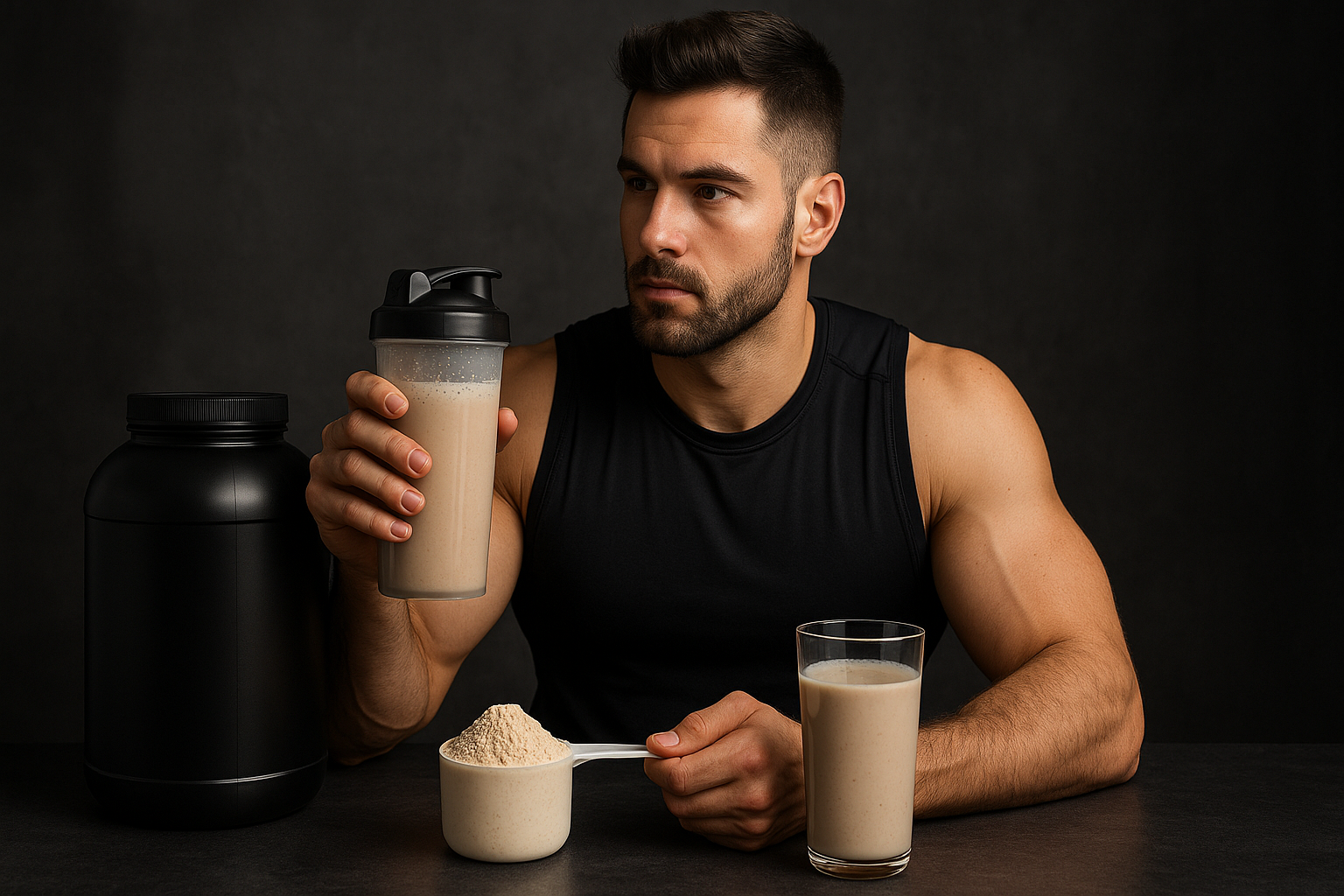
If you’re searching for lactose-free protein shakes, chances are you want two things at once: the convenience of a ready-to-drink (or easy-mix) shake, and fewer digestive issues than you get with regular whey-based products. The tricky part is that “lactose-free” isn’t the same thing as “dairy-free,” and it doesn’t automatically mean the shake won’t bother you—especially if your issue is actually with milk proteins.
In this guide, you’ll learn what “lactose-free” means on labels, how to choose the best lactose-free high protein shakes for your digestion and goals, and how to verify popular options (like fairlife, Premier, and Orgain) using a simple checklist you can use before you buy.
What “lactose-free” means in protein shakes
Lactose-free means the product is formulated so that lactose (the sugar found in milk) is reduced to a very low level—often to the point it’s considered safe for most people with lactose intolerance. In other words, it addresses the carbohydrate that causes symptoms for lactose-intolerant consumers.
However, it’s common to see confusion online between lactose intolerance, dairy sensitivity, and milk allergy. The label reading is where you’ll protect yourself.
Lactose-free vs dairy-free vs milk allergy (quick clarification)
- Lactose intolerance: You have trouble digesting lactose (a sugar). Lactose-free products are designed to reduce that trigger.
- Dairy-free: No dairy ingredients at all. This can include lactose-free products, but many “dairy-free” products go further by avoiding milk-derived ingredients entirely (like whey).
- Milk allergy: This is an immune response to milk proteins (like casein and whey), not just lactose. A “lactose-free” shake may still contain milk proteins—so it may not be safe for someone with a milk allergy.
Safety note: If you have symptoms that are severe or persistent, or if you’re dealing with suspected milk allergy, check with a healthcare professional (doctor or registered dietitian). Lactose-free labeling does not guarantee safety for milk allergy.
Ingredient signals to look for on labels
When you scan a nutrition label for lactose-free protein shakes, the name alone isn’t enough. Look for signals like these:
- “Lactose-free” statement (often on the front label)
- Nutrition facts for carbs and sugars (lactose-free products can still contain other sugars)
- Protein source (whey isolate, whey protein, milk protein concentrate, plant blends, etc.)
- Milk ingredients even if it says lactose-free (e.g., milk, whey, casein, “milk protein”)
- Allergen statement (e.g., “contains milk”)
If you’re choosing protein shakes lactose free to improve digestive comfort, you’re usually targeting lactose intolerance—not necessarily eliminating all dairy.
How to choose the best lactose-free protein shake for you
The best lactose-free high protein shakes aren’t the ones with the loudest marketing. They’re the ones that match your goal (muscle gain, fat loss, or convenience) and your digestion triggers. Here’s a practical way to evaluate.
Protein per serving and serving size (what matters for goals)
Start by comparing protein per serving. For many men using protein shakes as a supplement (not a replacement), aim for roughly 20–30 grams of protein per serving when possible—then align the serving size with your calorie needs.
- Post-workout / meal supplement: look for a full serving that delivers your target protein amount without a huge calorie jump.
- Snack replacement: prioritize protein plus fiber/filling carbs (depending on your diet).
Quick check: If a “high protein” shake has fewer grams than you expect, the serving size might be smaller than you think—or the product might rely on marketing rather than protein content.
Carbs and added sugar (especially if you’re cutting)
Calories matter for body recomposition. For fat loss or tighter nutrition, compare:
- Carbohydrates per serving
- Sugars per serving
- Added sugars (if listed) and sweeteners (more on this below)
Many lactose-free protein shakes are still flavored like desserts. That’s fine if your goal is bulking or you train hard—just don’t ignore added sugar if you’re trying to keep calories controlled.
Best protein sources for lactose-free needs (whey isolate vs alternatives—checklist level)
Protein source influences both digestion and how the shake feels in your stomach. Here’s a label-reading checklist you can use.
-
Whey isolate (often easiest to tolerate):
- Look for whey protein isolate and verify the product is labeled lactose-free.
- Whey isolate tends to have less lactose than other whey forms, but lactose-free labeling is still the safest way to confirm.
-
Whey blends / milk protein:
- Some lactose-free shakes still use milk-derived proteins.
- If you’re lactose intolerant, this can be fine; if you have milk allergy concerns, read allergen info carefully.
-
Casein-containing products:
- Casein is a milk protein. Lactose-free doesn’t necessarily mean “casein-free.”
-
Plant-based protein shakes:
- If you’re sensitive to dairy entirely, plant-based can be a better fit.
- Tradeoff: many plant shakes have different amino acid profiles or lower protein density, and they can use thicker gums for texture.
How I’d choose (practical consumer checklist): I’d verify (1) lactose-free claim, (2) grams of protein per serving, (3) whether it contains “milk” on the allergen statement, and (4) the sugar/carbs so I don’t accidentally blow my calorie target.
If you also use powders, this pairs well with High-Quality Protein Powder Checklist: Choose Whey vs Isolate vs Plant-Base.
Ingredients checklist (to reduce the chance of digestive discomfort)
Even with lactose-free protein shakes, you can still get bloating or discomfort from other ingredients. The goal is to reduce “known triggers” one by one.
Common “dairy” ingredients that may still be an issue for some people
- Whey (even lactose-free): usually fine for lactose intolerance, but not necessarily for milk allergy.
- Casein or “milk protein”: a common milk-derived trigger for those who react to milk proteins.
- “Milk” or “milk solids” in the ingredient list: might still be present in lactose-free products.
Important: Lactose intolerance is about lactose sugar. Milk allergy is about milk proteins. A “lactose-free” label typically addresses lactose, not proteins.
Sweeteners, gums, and additives—what to watch for
Beyond lactose, some ingredients can affect digestion and tolerance for certain people. Check for:
- Sugar alcohols (often end in “-ol,” like xylitol or erythritol): can cause gas or loose stools for some.
- High amounts of fiber added for texture (some blends include inulin/chicory root fiber).
- Gums and thickeners (like guar gum or xanthan gum): not inherently “bad,” but they can be a factor if you’re very sensitive.
- Large jumps in sugar: can worsen GI symptoms for some people, especially on an empty stomach.
If you’ve ever had a shake that seemed to “hit your stomach,” compare two products: one with fewer additives and one with more. Often, the difference isn’t lactose—it’s the rest of the formula.
Brand comparison framework (how to evaluate popular options)
Because “lactose-free protein shakes” is a high-traffic search term, you’ll see a lot of brand category pages. The real decision is what each specific product contains. Use this framework to compare without relying only on marketing claims.
fairlife / premier / Oikos / Orgain—what to verify per product label
For common searches like is fairlife protein shakes lactose free and are premier protein shakes lactose-free, the key point is that you should verify
Here’s what to verify on every label:
- Lactose-free claim (front label and/or product description)
- Protein source (whey isolate vs other milk proteins vs plant blend)
- Contains “milk” in the allergen statement if you have allergy concerns
- Sugars/carbs per serving (especially for cutting)
- Sweetener type (sugar vs sugar alcohols vs other sweeteners)
To see what the broader market offers, you can also browse category selection pages like Koia lactose-free protein shakes (lactose-free protein category page) and Target lactose-free protein shake selection.
Plant-based vs milk-based lactose-free options (tradeoffs)
Choosing between milk-based and plant-based lactose-free protein shakes lactose free can be a matter of digestion, taste, and calories.
- Milk-based lactose-free: typically higher protein density; often smoother texture; still may contain milk proteins (important for milk allergy).
- Plant-based: can eliminate milk proteins; sometimes lower calories; may use gums or fibers for texture.
If your primary issue is lactose intolerance, lactose-free milk-based shakes can be a strong option. If you’re avoiding dairy broadly (or you suspect you react to milk proteins), plant-based may fit better—just verify protein grams and ingredients.
How to use lactose-free protein shakes (timing + practical tips)
A good shake choice won’t matter much if your usage method triggers GI discomfort. Use these practical guidelines.
When to take it (post-workout vs meal replacement—general guidance)
There’s no single “best” time, but here are common scenarios:
- Post-workout: choose a lactose-free shake with sufficient protein (often 20–30g). Many people tolerate it well after training.
- Between meals: pair with your hunger cues. If you’re cutting, pick lower sugar/carbs.
- Meal replacement: verify calories and fiber (meal replacement usually needs more than just protein).
Tip: If you’re new to protein shakes, start with half a serving for the first few times to see how your stomach responds.
Mixing tips to avoid texture issues
Ready-to-drink shakes are straightforward. For powder or “shake mix” products:
- Use the recommended liquid amount—too thick can feel heavy.
- Shake longer than you think (or blend briefly) to reduce clumps.
- Try different liquids: some people find skim/soy blends easier than other options.
- Mind the temperature: cold shakes can be easier to drink, but don’t force it if it makes your stomach feel worse.
Quick summary + shopping checklist
Lactose-free protein shakes can be a practical way to hit your protein target with fewer lactose-related symptoms for many people. The biggest ranking advantage comes from reading labels like a checklist: lactose-free claim, protein source, carbs/sugar, and what else might be irritating for you.
For quick comparisons and fewer surprises, use this 10-point “read this before you buy” checklist:
- Does it clearly say “lactose-free” (not just “low lactose”)?
- What’s the protein per serving (and what’s the serving size)?
- Check sugars and carbs if you’re cutting or managing appetite.
- Scan the ingredients for milk-derived proteins (whey, casein, milk protein).
- Review the allergen statement (contains milk?) if you have allergy concerns.
- Look for sugar alcohols if you’re prone to gas or loose stools.
- Check for added fibers/gums if you’re sensitive to texture or digestion changes.
- Compare flavor: some formulas feel heavier due to sweetener type.
- Verify it fits your schedule (ready-to-drink for on-the-go, powder for meal prep).
- Use a “trial plan”: start small and track how you feel for 2–3 uses.
Next step: once you pick a lactose-free shake you tolerate, you can stack the muscle gain routine with real-food protein options. If you want alternatives (especially cheaper when you’re buying in bulk), see Cheap High Protein Meals for Muscle Gain and 7 Cheap High Protein Snacks for Muscle Gain (Portable Bodybuilding Snacks).
FAQ: lactose-free protein shakes
Are lactose-free protein shakes safe if you’re lactose intolerant?
For many people with lactose intolerance, lactose-free protein shakes are a good fit because they’re designed to reduce lactose. Still, you should check the label for the lactose-free claim and scan ingredients and nutrition facts. If you experience symptoms despite lactose-free labeling, consider reviewing sweeteners (like sugar alcohols) and other additives—or consult a professional.
What’s the difference between lactose-free and dairy-free protein shakes?
Lactose-free means lactose is reduced/eliminated, but dairy ingredients (like whey or casein) may still be present. Dairy-free means no dairy ingredients are used. If you avoid dairy broadly, dairy-free is the stricter option.
Do lactose-free protein shakes contain milk ingredients or traces of lactose?
They may contain milk-derived proteins (like whey) even if they’re labeled lactose-free. As for “traces” of lactose: lactose-free products are formulated to keep lactose very low, but exact trace levels can vary by brand and labeling standards. Always verify the product’s “lactose-free” claim and allergen statement.
Is fairlife protein shakes lactose free?
Some fairlife products are marketed as lactose-free, but you should verify the exact product label and nutrition facts. Different versions and flavors may use different ingredients, so confirming the lactose-free statement on the specific item is the safest move.
Are premier protein shakes lactose-free?
Premier Protein offers products that may be labeled lactose-free, but it’s important to check the specific bottle/can you’re buying. Always confirm on the label that it’s lactose-free, and review ingredients if you’re sensitive to dairy proteins.
Are Orgain lactose free protein shakes truly lactose-free—what should I check on the label?
Look for the explicit lactose-free claim on the label, then confirm the protein source and allergen statement. Also check carbs/sugars and any sweeteners or additives that might affect digestion. If you react to milk proteins rather than lactose, the presence of milk-derived ingredients could still matter.
Conclusion: choose lactose-free based on labels, not just claims
The best lactose-free protein shakes for digestion and performance come down to four things: confirm the lactose-free claim, compare protein per serving, evaluate carbs/sugar for your goal, and read ingredients for other potential triggers (especially sweeteners and milk protein sources).
Next step: Pick 2–3 lactose-free options, compare them using the 10-point checklist above, and do a short trial to see how your stomach responds—then lock in the one that fits your routine and nutrition targets.