
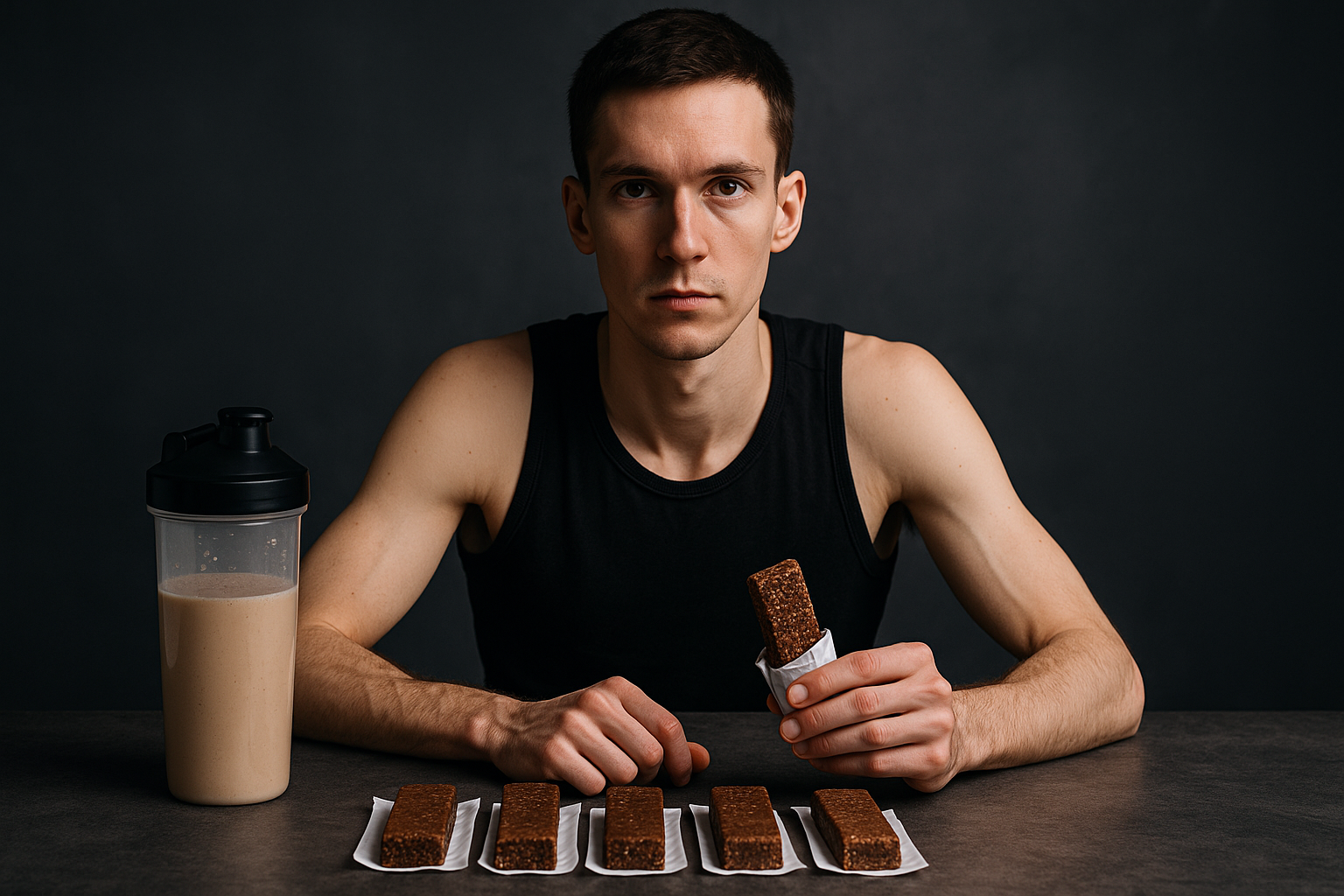
If you’re a skinny guy trying to bulk, the “best protein bar” isn’t automatically the best weight gain bars. The real problem is usually label math: many bars are marketed as “high protein,” but they’re calorie-light—so they don’t actually help you hit the calorie surplus you need for muscle gain.
In this guide, I’ll show you the Best Weight Gain Bars for Skinny Guys Trying to Bulk using a simple label-reading framework. You’ll learn exactly what to look for (calories per bar, protein per serving, sugar, fiber, and ingredient basics), plus when to eat bulking bars and how many per day—without guesswork.
Quick note: Results vary by your training, total food intake, and consistency. Bars can help you close gaps, but they can’t replace a solid bulking diet.
Why weight gain bars help skinny guys bulk (and when they don’t)
The calorie-surplus requirement (bars are a tool, not the whole plan)
To gain weight and build muscle, you need a calorie surplus over time. For skinny guys, the bottleneck is often appetite: you may be working hard in the gym but still not eating enough total calories.
Weight gain bars can help because they’re calorie-dense and easy. But if the bar you choose is low-calorie, it may boost protein while still leaving your overall surplus short.
Rule of thumb: If the bar doesn’t move your calories meaningfully, it won’t meaningfully support bulking—even if it has “20g protein.”
Protein targets for muscle building (why bars need enough protein)
Protein is a key driver for muscle protein synthesis, but for most skinny guys, protein intake is only half the story.
- Protein helps you build.
- Calories help you grow (and recover).
Bars should support your daily intake of muscle gain nutrition, especially when you struggle to eat large meals. The “best” options for bulking typically balance calories per bar with protein per serving—not just one of the two.
What to look for in the best weight gain bars (label checklist)
When you’re learning how to choose protein bars for skinny guy bulk, the goal is simple: select bars that make hitting your surplus easier while supporting muscle gain protein needs.
Use this checklist every time you compare a high-calorie protein bar vs. a “diet” bar.
Calories per bar (prioritize for bulking)
For bulking, you want enough calories per serving that the bar meaningfully contributes to your day.
- Look for: bars that are clearly “bulk-friendly” (generally more calories than typical snack/diet bars).
- Avoid: bars that are positioned as “low calorie” even if they contain protein.
Practical test: If one bar adds only a tiny fraction of your daily surplus goal, it’s unlikely to be a reliable weight gain bar for you.
Protein grams per serving (muscle support)
Protein per serving matters for muscle gain protein bars. A good target is typically ~15–25g protein per serving, depending on your overall diet.
But don’t stop at protein. Skinny guys often buy bars that look “healthy” but are calorie-light—so they don’t cover the total calorie gap.
Label benchmark: Compare protein per serving and calories per bar together. If protein is high but calories are low, that bar may support “leaning out,” not bulking.
Carbs, fat, and fiber (energy + satisfaction)
Carbs and fat help with training performance and satiety in a calorie surplus. Fiber can support digestion, but too much fiber (for some people) can cause GI discomfort.
- Carbs: often increase energy availability and training output.
- Fat: increases calorie density and can help you feel satisfied.
- Fiber: helps digestion for some, but monitor if you’re sensitive.
If you struggle to eat enough, a bar with more calorie density (usually from carbs + fat) can feel easier to work into your day than an “air-light” protein bar.
Sugar and “low-calorie” traps (avoid bars that undermine the surplus)
Look beyond marketing terms like “clean,” “light,” or “diet.” Some bars are intentionally calorie-reduced, which can sabotage a skinny guy bulk.
When scanning labels, check:
- Total sugar (and whether it’s mostly sugar alcohols)
- Total calories
- Fiber and whether it’s pushing GI sensitivity
Important: It’s okay if a bar isn’t zero sugar. Your goal is to support a calorie surplus and training. The “best” bar for you is the one that helps you hit your targets consistently.
Ingredient basics (whey/casein if tolerated; additives to consider)
Ingredient quality is less about “perfect” and more about fit and tolerance.
Common muscle-building protein sources include:
- Whey protein (fast-digesting)
- Casein (slower digestion, sometimes used in blends)
- Plant-based blends (often pea/rice based)
Allergy/intolerance note: If you’re sensitive to milk proteins or lactose, check the ingredient list and nutrition panel. Consider bars with whey isolate or non-dairy blends if needed, and test carefully.
Also scan for gut-relevant additives:
- Sugar alcohols (can cause bloating/loose stools in some people)
- Large amounts of fibers (may be fine or may bother you)
Best weight gain bars for skinny guys (our picks)
Because bar formulations change, I’m not going to claim a guaranteed calorie/protein number for every product at every time. Instead, use these picks as categories and label targets—then verify the label against the checklist above.
For reference, I started from expert roundups such as The 7 Best Protein Bars for Muscle Gain (2026), then applied Forged Alpha’s “skinny guy bulk” criteria: calories per bar + protein per serving + surplus friendliness + tolerance.
Best overall bulk-friendly protein bar
Pick profile: Balanced macros (calories are meaningfully higher than “diet bars”), solid protein for muscle gain, and ingredients that don’t commonly wreck digestion.
- Look for on the label: consistent protein per serving, carbs/fat that bring calories up, and fiber/sugar that don’t trigger GI issues.
- Who it’s for: most hardgainers who need a reliable between-meal calorie/protein bridge.
Best high-calorie option
Pick profile: A high-calorie protein bar that helps you hit the calorie surplus faster when appetite is low.
- Look for: higher calories per bar and usually a bit more fat and/or carbs to carry the calorie load.
- Who it’s for: skinny guys who can eat “something,” but can’t eat enough volume to bulk.
Best for muscle gain (protein-forward)
Pick profile: Higher protein per serving to support your daily muscle gain protein when meals are inconsistent.
- Look for: protein that’s clearly in a muscle-building range, with enough calories so you’re not undermining the surplus.
- Who it’s for: guys who already eat a decent amount of calories but need protein coverage—especially around workouts.
Best value / budget pick
Pick profile: Not “cheap tasting,” but cost-per-gram of protein and calories that actually supports bulk.
- Look for: decent calories per bar, a protein amount you’ll consistently hit, and reasonable sugar levels.
- Who it’s for: people who plan to eat bars regularly and want the math to work over time.
Best for people who struggle to eat enough (appetite/meal replacement use)
Pick profile: A satisfying bulking bars option that’s easy to eat and doesn’t create stomach problems.
- Look for: higher calorie density, palatable texture, and a label that supports your surplus (not a “low-calorie” protein gimmick).
- Usage idea: pair with a regular meal plan so bars become an addition, not an excuse to skip real food.
Best for sensitive stomachs (suggestion framework)
Instead of naming a single “best for everyone,” use this framework for sensitive stomachs:
- Protein source: choose bars with protein you tolerate (whey isolate or a blend if dairy is an issue).
- Check for triggers: sugar alcohols and high fiber can be the culprits for some people.
- Start low: test with 1 bar and monitor bloating, stool changes, and reflux.
- Timing matters: try between meals rather than stacking multiple bars right before bed.
Who it’s for: guys who notice GI discomfort after “gym snack” bars and need a gentler option.
How to use weight gain bars in a bulking diet (practical schedule)
Here’s a simple schedule that works for skinny guy bulk without turning your day into constant snacking.
When to eat bars (between meals, pre/post-workout, bedtime if it fits)
Choose times that make calories and protein easier:
- Between meals: the most common “bulking bars” use. Easy calories without needing a full extra meal.
- Pre-workout (if needed): 60–90 minutes before training if it sits well with you.
- Post-workout (if it helps you eat): within a couple hours after training, especially on days you’re not hungry.
- Bedtime (only if it fits): some people tolerate bars well at night; others don’t. Use your experience.
If you want a deeper dive on whether bars actually contribute to weight gain beyond protein alone, see Weight Gain Bars: Do Protein Bars Make You Gain Weight?
How many per day (how to decide based on your calories, not fixed rules)
There’s no universal number of bars. The correct “bar count” depends on:
- Your current calorie intake
- Your target surplus
- How consistently you can eat whole meals
- Your digestion tolerance
Simple approach:
- Estimate your daily maintenance calories (or track for 7–14 days).
- Set a realistic surplus target (often a few hundred calories/day).
- Use one bar to cover a specific gap (for example, an afternoon meal you routinely miss).
- If your weight isn’t trending up after ~2–3 weeks, adjust by adding calories (more bars or bigger meals), not by changing protein alone.
Example: If you’re short ~300–400 calories/day, and your bar is ~250–350 calories, 1–2 bars can be the bridge—depending on your tolerance and whether you still eat real food.
For a bar-selection deep dive, this complements Protein Bars for Weight Gain: How to Choose.
Weight gain bars vs mass gainers vs protein powder (quick comparison)
When a bar is better than a supplement
- You struggle with appetite: bars are easier than mixing drinks.
- You want portability: between-meal calories on the go.
- You need structure: a “planned snack” can reduce decision fatigue.
When you should consider mass gainer/protein powder instead
Bars aren’t the only tool. If you need a large calorie jump and you can tolerate shakes, a mass gainer or protein powder can be more efficient.
- Choose mass gainer if you need more calories and find it hard to eat enough food volume.
- Choose protein powder if your calories are already good but protein is low.
For safety and timing considerations, read Mass Gainer Side Effects: Are Mass Gainer Bad for You? Safety + Best Time.
If you go the powder route, also use this checklist: High-Quality Protein Powder Checklist: Choose Whey vs Isolate vs Plant-Base.
Common mistakes skinny guys make with bulking bars
Picking “high protein” but too low calorie
This is the #1 mismatch. You end up meeting protein but not the calorie surplus.
Fix: compare calories per bar and protein per serving together. Your bar should support bulking, not just protein branding.
Not tracking total daily calories
If you don’t track at least loosely, it’s hard to know if you’re truly in a surplus.
Fix: track for 7–14 days (even using a basic app). Then adjust using the “bar is a tool” principle—not random purchases.
Not adjusting if appetite/weight change stalls
Bulking is iterative. If your weight isn’t trending upward, it’s usually because calories aren’t high enough, not because you need a different protein bar taste.
Fix: adjust total calories first. If digestion is fine, add 1 bar per day (or increase portion sizes). If digestion is not fine, adjust timing and bar type.
And remember: calorie balance matters in both directions. If you want context on how calorie balance drives results, see Lose Weight Fast Safely: 14-Day Calorie Deficit Plan—the same principle applies to bulking (just reversed).
Decision tree: choose the right bar for skinny guy bulk
Use this fast framework when you’re standing in front of options and wondering how to choose protein bars for weight gain.
-
Can it help your calorie surplus?
- If it’s “low-calorie,” it usually won’t be your best choice for bulking.
- If it’s calorie-dense, continue.
-
Does it provide enough protein per serving?
- If protein is too low, it may not support muscle gain protein targets.
- If protein is adequate, continue.
-
Will you tolerate it?
- Check for known triggers (sugar alcohols, high fiber) if you’re sensitive.
- Start with 1 per day and evaluate.
-
Is it consistent with your goal?
- For bulking: prioritize surplus-friendly calories + adequate protein.
- For “diet” goals: those bars may be fine—just not for weight gain.
FAQ: Best weight gain bars for skinny guys trying to bulk
How many calories should a weight gain bar have to bulk effectively?
There’s no single number, but for bulking you generally want a bar that meaningfully contributes to your daily calorie surplus. If your bar is low-calorie, you’ll often need multiple bars (which can cause GI issues) or you’ll still miss your surplus. Use label calories per serving and compare it to the gap you’re trying to close.
Are protein bars enough to gain weight, or do you still need a full diet plan?
Bars alone usually aren’t enough. They can help you hit calories and protein, but you still need overall meal structure, consistent training, and a surplus over time. Think of weight gain bars as a tool to close gaps.
What’s better for skinny guys: weight gain bars or mass gainer?
If you struggle to eat solid food volume, mass gainer (for those who tolerate it) can be efficient. If you need portability and prefer “real snack” convenience, weight gain bars can be easier. Many skinny guys do best with a combination: bars for between-meal structure and powders/mass gainer when liquid calories are easier.
How much protein should I get per day when bulking, and do bars help meet that?
Protein needs vary by body size and training, but bulking generally benefits from a consistent protein intake spread across the day. Bars can help you meet protein per serving targets when meals fall short. Use protein per serving as your guide, but also make sure you’re not sacrificing calories.
Can weight gain bars cause weight gain if I’m not in a calorie surplus?
No—if you’re not eating enough calories overall, bars typically won’t create weight gain on their own. However, bars can help you reach a surplus, which is what drives weight gain. Check your total daily intake.
What should I watch for on labels (sugar, fiber, and low-calorie bars)?
Watch calories per bar first for bulking. Then check protein per serving, and finally sugar and fiber for tolerance. Be cautious with “low-calorie” bars marketed for fitness goals—they may be great for cutting, not for skinny guy bulk.
(Optional) Can I eat weight gain bars every day while bulking?
Many people can, as long as the bars fit their calories, protein targets, and digestion. Rotate options if needed, and don’t let bars replace nutrient-dense whole foods entirely.
Conclusion: buy bars that match your bulking math
The best weight gain bars for skinny guys trying to bulk aren’t the ones with the flashiest protein claims—they’re the ones that help you actually reach a calorie surplus while supporting your muscle gain protein targets.
Next step: Pick 2–3 bar candidates and do a quick label check: calories per bar, protein per serving, carbs/fat for energy, sugar/fiber for tolerance. Then plug the winner into a simple between-meal schedule and track your weight trend for 2–3 weeks.
If you want, paste the nutrition label info (calories, protein, carbs, fat, fiber, sugar, and ingredient highlights) of a bar you’re considering, and I’ll help you score it using the framework above.