
If you’ve noticed a drop in mens libido—less interest in sex, fewer sexual thoughts, or weaker desire—know this: it’s common, but it also has identifiable causes. The best “fix” depends on why it’s happening (stress, sleep loss, depression/anxiety, relationship strain, medications, hormone changes, or other health issues).
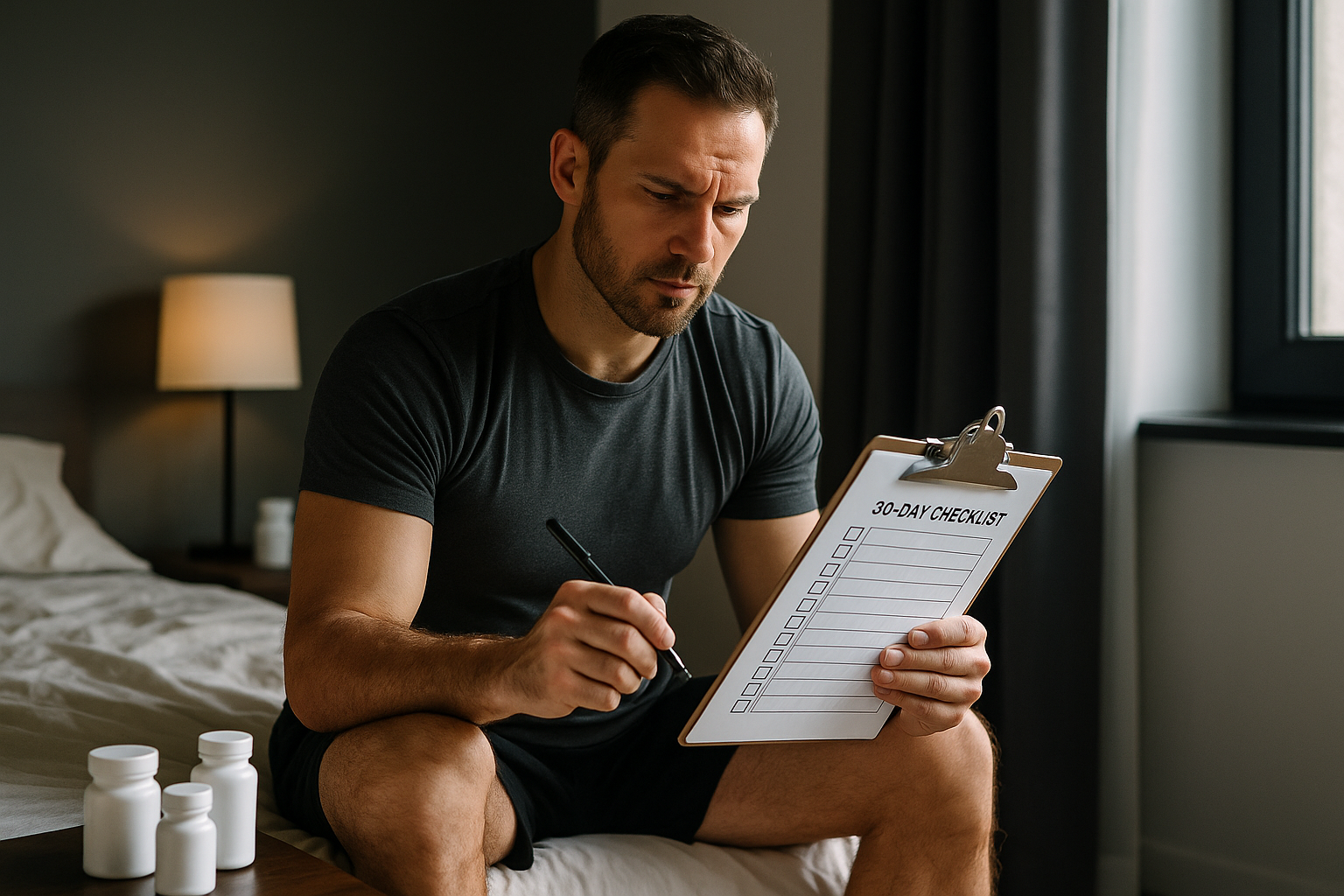
This guide gives you a Men’s Libido Reset Plan: a clinician-style, 30-day checklist to troubleshoot loss of sex drive in men step-by-step—starting with self-checks, then lifestyle levers, and finally clear when to see a doctor red flags and what to ask for.
Not medical advice: Low libido can have medical causes. Consult a qualified clinician for diagnosis and treatment.
What “men’s libido” actually means (and when it’s normal)
Libido vs. erections vs. orgasm—what’s changing?
“Libido” usually means sexual desire: how often you want sex and how strong those wants feel. Men can experience changes in desire, erections, or orgasm independently—so it helps to name the pattern.
- Decreased libido: you want sex less (even if erections may still occur).
- Erectile vs. libido differences: you may still get erections, but desire is low—or you may have desire but erections are inconsistent.
- Orgasm changes: you want it, can get aroused, but orgasm feels delayed, less intense, or absent (sometimes linked to certain medications or neurologic factors).
Why it matters: different causes affect libido vs. erections differently. That’s why treatment options vary.
Aging: natural gradual changes vs. sudden declines
With age, it’s common for mens libido to shift gradually—often influenced by sleep, stress, activity level, relationship dynamics, and medical conditions. Mayo Clinic notes that some changes in sex drive can occur with aging, but marked or sudden loss of sex drive deserves attention rather than being treated as “just age.”
Rule of thumb:
- More gradual change over months/years can be expected.
- Sudden or persistent decline (especially with other symptoms) is more likely a sign of something treatable.
Common causes of low libido in men
Low sex drive in men is rarely “one thing.” Think of it as the end result of multiple systems—brain, stress hormones, sleep quality, cardiovascular health, hormones, medications, and relationship context.
Stress, sleep, and lifestyle factors
Stress and libido are tightly linked. High stress can reduce sexual desire through increased cortisol, distraction, and reduced mental bandwidth. Chronic poor sleep can also affect the hormones that support sexual function.
Common contributors:
- Short sleep or irregular sleep schedule
- Overtraining / insufficient recovery
- Low daily activity (or long sedentary stretches)
- Alcohol increases can interfere with libido and arousal
- Smoking and poor nutrition patterns
This is especially relevant if you’re experiencing the combination of “tired all the time + less interest in sex.”
Hormones (including testosterone) and overall sexual health
Testosterone and libido are related, but it’s not always one-to-one. Testosterone can influence desire, but libido can also be affected by:
- Thyroid issues
- Prolactin elevation
- Metabolic health (insulin resistance, weight changes)
- Sleep apnea and fragmented sleep
- General inflammatory or chronic disease burden
Cleveland Clinic explains that low libido (low sex drive) can be short-term or ongoing and may have multiple causes. Testosterone is one possible driver, but clinicians typically evaluate the broader picture rather than assuming a single hormone is the whole story.
If your main issue is loss of sex drive in men, testing may be part of the plan—especially if the change is persistent or accompanied by other symptoms.
Mental health, relationship factors, and communication
Depression and anxiety are major contributors. Even without a formal diagnosis, symptoms like low mood, irritability, persistent worry, low motivation, or loss of pleasure (anhedonia) can show up as low libido.
Relationship dynamics also matter:
- Unresolved conflict or emotional distance
- Performance pressure
- Mismatch in sexual frequency or preferences
- Resentment, low affection, or poor communication
If libido dropped around the same time as stress at home, work, or a shift in closeness, treat that as data—not a personal failure.
Medications and health conditions that can affect libido
Medications that lower libido are a common and often overlooked cause. Examples include (not exhaustive):
- Some antidepressants (especially certain SSRIs/SNRIs)
- Some blood pressure meds
- Finasteride and similar drugs (reported libido effects in some users)
- Opioids
- Hormonal therapies
Health conditions can also play a role—especially those affecting blood flow, energy, nerve function, or mood (e.g., diabetes, cardiovascular disease, chronic pain, sleep disorders).
A practical 30-day libido reset plan
This plan is designed to help you identify reversible levers first—without promising “instant results.” For many men, meaningful changes (if the cause is lifestyle-driven) show up over 2–6 weeks, not 48 hours.
How to use this: Do the checklist in order. If you hit red flags (see next section), don’t wait.
Lifestyle levers to prioritize (sleep, stress, activity, nutrition basics)
Set a sleep target: For the next 30 days, aim for 7–9 hours in bed and a consistent wake time. If you currently sleep 5–6 hours, start by adding 30–60 minutes nightly—not by changing everything at once.
Pick one stress downshift habit (10 minutes/day): Examples: a short breathing drill, a walk without headphones, journaling, or guided mindfulness. The goal is to reduce baseline stress and improve mental space for arousal/desire.
Reduce “libido killers” in a measurable way: Choose one for 30 days:
- Cap alcohol to a low level (or cut entirely if alcohol is frequent)
- Move screens/doomscrolling away from bedtime by 30 minutes
- Stop late caffeine
Nutrition basics for libido support (simple, not extreme): Eat regular meals with protein, include colorful fruits/vegetables, and don’t swing between starving and overeating. If you’re trying to lose or gain weight, use a sustainable deficit/surplus rather than drastic changes.
Add daily movement: Aim for 20–40 minutes most days or 7,000–10,000 steps/day (choose a starting point you can maintain). Improving metabolic and cardiovascular health supports overall sexual function.
Training & recovery considerations (avoid overtraining—include rest)
Recovery rule: If you train hard (or you’ve increased volume recently), build in at least 1–2 true rest or active-recovery days/week. Overtraining and chronic fatigue can blunt desire.
Don’t chase a “sex workout”: Keep training consistent, but avoid using libido as a performance target. Desire often follows psychological safety, adequate rest, and reduced stress more than it follows “more intensity.”
Track outcomes: what to monitor weekly
Track for 30 days (keep it simple): Once per week, record:
- Sleep duration + quality (e.g., 1–5 scale)
- Stress level (1–5 scale)
- Training load/recovery (did you feel more run-down or better?)
- Sexual desire (a subjective 1–5 “desire score”)
- Sexual frequency (optional, but helpful context)
- Erections vs. libido notes (e.g., “desire low but erections ok” vs. “desire low and erections weak”)
Look for patterns, not perfection: If libido improves with better sleep or lower stress, you’ve found a likely lever. If libido doesn’t change—or you worsen—move to the “when to see a doctor” section.
Optional (but often helpful) decision step: Make your “try lifestyle first vs. get evaluated now” choice using the next section’s red flags.
When to see a doctor (red flags + what to ask)
How to decide: aging-related libido changes are often gradual. However, Cleveland Clinic, Mayo Clinic, and UCSF emphasize that low libido can signal treatable medical or hormonal issues—especially if it’s sudden, persistent, or accompanied by other symptoms.
Sudden or persistent loss of libido
Consider medical evaluation sooner if you have:
- Sudden drop in desire (days to a few weeks)
- Persistent decline despite lifestyle changes (e.g., no meaningful improvement after several weeks)
- New erectile vs. libido changes (e.g., desire low with erections significantly altered, or the opposite)
If your change is clearly tied to starting/stopping a medication, tell your prescriber. Medication effects are one of the few “quickly adjustable” causes—though you should never stop a prescription on your own.
Symptoms that suggest hormone or systemic issues
Seek evaluation if low libido in men comes with:
- Marked fatigue, low energy, or unexplained weight change
- Depression symptoms, severe anxiety, or loss of pleasure
- Changes in breast tissue or nipple discharge (possible hormonal causes)
- Reduced facial/body hair or testicular changes
- Lower urinary tract symptoms
- Symptoms that could point to sleep apnea (loud snoring, choking/gasping, daytime sleepiness)
- Pain with sex or erections
Lab/assessment topics to discuss (no guarantees—discussion prompts)
Your clinician may tailor tests based on your history, but it’s reasonable to ask about evaluation for:
- Hormonal status (often including morning testosterone; sometimes additional hormone tests)
- Thyroid function
- Prolactin (depending on symptoms)
- Metabolic health (glucose/A1C, lipids)
- Sleep-related issues if symptoms suggest sleep apnea
- A medication review for drugs associated with decreased libido
Helpful phrasing for your appointment:
- “My main issue is loss of sex drive in men. Is this likely hormonal, medication-related, or psychological?”
- “Can we discuss decreased libido evaluation and which labs make sense for me?”
- “If testosterone and libido are related, what would be the plan if levels are normal?”
For definitions and cause overview, you can also review:
- Low Libido (Low Sex Drive) Causes & Treatment (Cleveland Clinic)
- Loss of sex drive in men: Natural with aging? (Mayo Clinic)
- Decreased Libido (UCSF)
Treatment options: what “works” depends on the cause
There isn’t a one-size-fits-all “libido booster.” The safest approach is cause-based treatment—address reversible drivers first, then evaluate medical options.
Address reversible causes first
In many cases of decreased libido, the biggest wins come from:
- Better sleep and stress management
- Improving training recovery and reducing fatigue
- Medication adjustments (when appropriate and prescribed)
- Treating underlying mental health conditions (therapy and/or meds—managed responsibly)
- Managing metabolic factors (weight, glucose, lipids)
- Addressing sleep apnea if present
Medical evaluation pathways (general overview)
Clinicians typically take a structured approach: history (timeline and associated symptoms), medication review, physical assessment, and targeted labs. Depending on findings, next steps may include:
- Hormone-focused management if appropriate
- Treating thyroid/prolactin disorders if identified
- Addressing depression/anxiety with therapy or medications that minimize sexual side effects (when possible)
- Referral to specialists (urology, endocrinology, or behavioral health) for complex cases
Important: If libido is low but erections are still functioning, the cause may still be hormonal or psychological—but the evaluation remains more nuanced than “just check testosterone.”
Role of supplements/peptides: safety-first framing (talk to a clinician)
Some men look toward supplements or peptides when trying to improve mens libido. The challenge is that product quality varies, evidence is inconsistent for libido outcomes, and some compounds may affect hormones, metabolic health, or interact with medications.
Safety-first guidance:
- Discuss any supplement or peptide plan with a clinician—especially if you have hormone-related symptoms, cardiovascular risks, or take other medications.
- Use credible sources and ask about side effects and monitoring.
If you’re exploring peptides/compounds for bodybuilding or hormone-related goals, these Forged Alpha resources focus on side effects and expectations:
- Peptides Bodybuilding: Safety-First Side Effects Checklist, Real Expectations
- What Is GHRP-2? Benefits, GHRP-2 Side Effects, and GHRP-2 Dosage Per Day
Note: Even if peptides or other supplements affect hormones indirectly, you should avoid assuming they “cause” libido improvement. Always prioritize medical evaluation for persistent low libido in men.
Key takeaways
- Mens libido is desire—different from erections or orgasm. Naming what’s changed helps identify causes.
- Low sex drive in men is often related to stress and sleep, mental health, relationship factors, medications, and broader health.
- Run a 30-day libido reset plan: improve sleep consistency, reduce stress, train with recovery, and track desire + context.
- If the decline is sudden, persistent, or comes with other symptoms, see a doctor sooner—not “after age catches up.”
- Treatment depends on cause. If you explore supplements or peptides, take a safety-first approach and discuss with a clinician.
FAQ
What causes low libido in men?
Common causes include stress and poor sleep, depression/anxiety, relationship factors, medication side effects, hormonal issues (including but not limited to testosterone and libido), and underlying health conditions. Cleveland Clinic and UCSF provide cause overviews and general treatment framing.
Is loss of sex drive in men normal with aging?
Gradual changes can occur with aging, but marked, sudden, or persistent decline shouldn’t be dismissed as “normal.” Mayo Clinic addresses this natural-vs-concerning distinction.
How long does it take to see improvements after changing sleep/stress habits?
If libido is driven by lifestyle factors, some improvements may appear in 2–6 weeks. That’s why the reset plan uses a 30-day framework—enough time to detect patterns without waiting indefinitely.
Can testosterone levels affect libido?
Yes—testosterone and libido are related. But libido can also drop when testosterone is normal. Clinicians often evaluate the broader hormonal and health context rather than relying on one lab alone.
What medications can lower libido?
Some antidepressants, certain blood pressure medications, opioids, and other drugs can affect desire in some men. The best next step is a medication review with a clinician—especially if symptoms started after a dose change or new prescription.
When should I see a doctor for low libido in men?
See a doctor if loss of sex drive is sudden, persists despite lifestyle changes, or comes with concerning symptoms (significant fatigue, depression symptoms, breast/nipple changes, pain, urinary changes, or signs of sleep apnea). Discuss evaluation options and appropriate labs based on your history.
Next step
Start your Men’s Libido Reset Plan today: prioritize sleep consistency and choose one stress downshift habit, then track desire + sleep/stress for 30 days. If you experience sudden or persistent decline—or any red flags—book a clinician visit and bring your 30-day tracking notes.
If you want, tell me your age range, how long this has been happening, and whether erections are affected. I can help you map your likely next step (lifestyle vs. evaluation) using the decision framework in this article.