
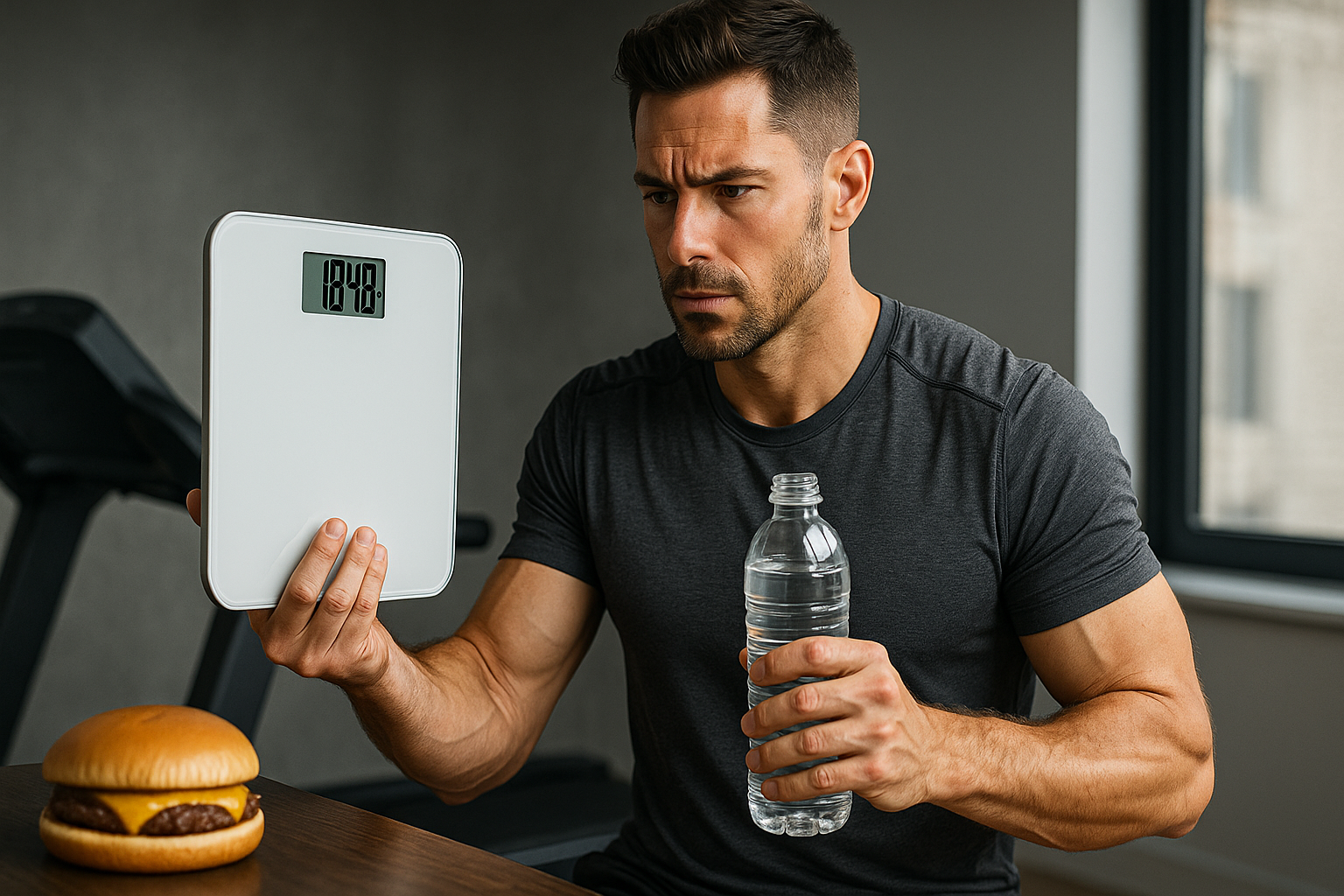
Want to lose weight fast? The fastest safe results usually come from a simple combo: a controlled calorie deficit, high protein intake for weight loss, and consistent daily movement (plus some resistance training). But “fast” matters—if you try to lose too much too quickly, you risk muscle loss, rebound weight gain, and health issues.
In this guide, you’ll learn what lose weight fast really means (using medical framing), what a realistic 7–14 day “fast start” plan looks like, and how to handle common situations like running, fast food, and weight loss after pregnancy.
Quick safety note: If you’re pregnant/postpartum, dealing with cancer or another serious illness, or taking prescription medications (including ADHD meds like Adderall), talk with a clinician before making major diet/exercise changes.
What “lose weight fast” really means (and what’s safe)
Define “rapid” vs. unsafe crash dieting (no extreme promises)
Medical sources generally define “rapid weight loss” as more than 2 pounds (lb) or 1 kilogram (kg) a week over several weeks. MedlinePlus notes that rapid weight loss diets may cause complications and aren’t appropriate for everyone.
That’s a helpful guardrail—but it still doesn’t mean you must hit that pace. For most people, the best “fast” plan is the one you can sustain without feeling miserable, losing strength, or triggering binge/restrict cycles.
Practical target for safety: Aim for a steady decline—often around 0.5–1.0% of body weight per week for many adults. If you’re much larger, the first 1–2 weeks can include extra water-weight changes, so don’t judge progress only by the scale on day 2 or day 5.
Why speed varies (starting point, adherence, sleep/stress)
How fast you can lose weight depends on:
- Starting point (higher starting weight often drops faster initially).
- Adherence (calorie deficit consistency beats “perfect days”).
- Sleep and stress (poor sleep can increase hunger hormones and reduce self-control).
- Training quality (resistance training helps preserve lean mass while you cut calories).
- Medical factors (thyroid issues, hormones, and medications can all affect weight changes).
Translation: if your plan is strict but you’re not sleeping, not moving, and not hitting protein, you’ll feel awful and progress may slow—making “fast” feel like it’s not working.
The 14-day “fast start” plan (food + movement)
This is designed to help you lose weight fast in the safest, most repeatable way: reduce calories (without liquid calories and sugary drinks), prioritize protein intake for weight loss, and add simple movement you can actually keep up for 2 weeks.
How to use it: Choose one option for meals, follow the daily activity, and adjust portions weekly based on results. No supplements required.
Nutrition basics: calories, protein-first meals, portion control
You don’t need a perfect calorie count—just a controlled deficit. Start with these rules:
- Protein-first: Include a protein source at every meal (goal: roughly 0.7–1.0 g per lb of target body weight per day, or a simpler starting point: 30–50g protein per meal depending on meal size).
- Build plates: Think “plate-based” structure (half non-starchy vegetables, a palm-size protein, a fist-size carbs, and a thumb-size fat). This supports portion control without constant counting. If you want a framework, see Longevity Diet: The Plate-Based Beginner Framework.
- Cut extras: Trim sauces, snacks, and “tastes.” Tiny add-ons are a hidden reason people stall.
- Hydrate: Water and unsweetened drinks help you stay consistent.
Real-world example day (adjust portions to your hunger):
- Breakfast: Greek yogurt (or cottage cheese) + berries + a handful of nuts OR eggs + sautéed vegetables.
- Lunch: Chicken or tuna salad bowl (add olive oil/lemon dressing; keep it measured).
- Dinner: Lean meat or fish + roasted vegetables + small serving of rice/potatoes.
- Snacks (optional): Protein shake, jerky (watch sodium), or fruit + protein.
Decision-making (how to adjust): After 7 days, if your average daily hunger feels manageable but your weight isn’t moving at all, reduce carb portions slightly or trim snacks—not protein.
Cut easy calories: sugary drinks/extra snacking
If your goal is to lose weight fast, your highest-leverage change is often avoiding liquid calories. That means:
- Skip soda, sweet tea, juice, fancy coffees with sugar, and “healthy” smoothies with added juice.
- Choose water, sparkling water, black coffee, or diet/zero-calorie beverages if they help you stick to the plan.
Also target “snack creep.” A simple rule: if you eat a snack, make it protein-based and pre-decide the portion. For more meal ideas, you can use cheap high-protein meals for weight loss as a starter library.
Simple weekly structure for cardio + daily steps
Your goal for the 14-day fast start: create a consistent calorie deficit with movement you won’t hate.
| Day | Activity | Goal |
|---|---|---|
| Mon | Brisk walk + short cardio (optional) | 8,000–10,000 steps |
| Tue | Resistance training (30–45 min) + steps | 2–3 sets per move |
| Wed | Zone 2 cardio (easy/moderate) or incline walk | 20–30 min |
| Thu | Resistance training + steps | Focus on legs/upper body |
| Fri | Intervals (short) OR brisk walk | 10–20 min total |
| Sat | Long walk / light hike | 10,000–12,000 steps |
| Sun | Recovery walk + mobility | 6,000–8,000 steps |
Intensity guide: For cardio, you should be able to talk in short sentences (not gasping) during easy sessions.
If you want an optional time-based approach: Some people use fasting to help calorie consistency. If you’re curious, see fasting for beginners (12-hour starter/16:8). Keep it simple and stop if it worsens cravings or sleep.
Can running help you lose weight fast?
Yes—running can help you lose weight fast by increasing calorie burn and improving fitness. But running is also easy to overdo, which can increase appetite, disrupt recovery, and lead to injury.
How to structure running (progress gradually; mix intensity)
If you’re new to running, don’t start with “go hard.” Start with run-walk intervals and build consistency:
- Week 1: 20–25 minutes total: 1 minute easy jog / 2 minutes walk, repeat.
- Week 2: 25–35 minutes total: 2 minutes jog / 1 minute walk, repeat.
Progress rule: Increase either time or intensity—not both—week to week. If your legs feel beat up, do the walk version.
Pair cardio with resistance/protein to preserve lean mass
Running helps, but if you only run and cut calories aggressively, you may lose muscle. To preserve lean mass:
- Do 2 days/week of resistance training (squats/hinge/push/pull/core).
- Keep protein intake high (protein intake for weight loss).
- Sleep 7–9 hours when possible.
Bottom line: Running can be a powerful tool, but “fast” comes from consistency and support (protein + strength), not from punishment.
Can you lose weight fast eating fast food?
You can lose weight eating fast food—if it fits a calorie deficit. The problem isn’t fast food itself; it’s the “blank check” portions, sauces, and sugary drinks.
“Order rules” (swap drinks, prioritize protein, manage portions)
Use these rules when you order:
- Swap sugary drinks for water, diet soda, or unsweetened tea. (This is the fastest way to reduce a chunk of calories.)
- Prioritize protein: choose chicken, fish, or burgers with reasonable portions.
- Control sides: pick one side (or share). Skip fries if you’re already having carbs elsewhere.
- Ask for modifications: extra vegetables, sauces on the side, skip cheese if needed.
- Skip “combo add-ons” (dessert + extra bread + larger size).
Example “fast food win”: A protein sandwich + side salad or small fries + water. That’s a consistent calorie fit; a large combo with dessert is usually a calorie bomb.
Make it a consistent calorie fit, not a blank check
To actually lose weight quickly, fast food has to be part of your deficit plan. If you’re eating fast food 4–5 times per week, you’ll likely need stricter portion control and more movement to compensate.
Rule of thumb: Treat fast food as an occasional tool, then use your “home plate” habits to make results predictable.
How fast can you lose weight after pregnancy?
Weight loss after pregnancy can be slower than you expect, and that’s normal. Your body has gone through major hormonal and physical changes, and sleep can be disrupted for months. The safest pace is the one you can maintain while recovering.
Postpartum expectations and why progress can be slower
- Recovery matters: healing takes time; strenuous exercise may not be appropriate early on.
- Hormones can affect hunger and fat storage.
- Feeding choices (breastfeeding vs. not) can change calorie needs and hunger levels.
- Stress + sleep debt impacts appetite and motivation.
Many people see fluctuations week to week—especially with water retention and activity changes. Focus on consistency: protein, fiber, and gradual movement.
When to get medical guidance before changing diet/exercise
Before major changes, talk with your OB-GYN or clinician—especially if you had a C-section, complications, pelvic floor concerns, or significant symptoms. This also applies if weight loss is causing dizziness, extreme fatigue, or mood changes.
What to avoid if you want fast results without rebound
Crash diets, over-restriction, overtraining
These are the most common ways people try to lose weight fast and end up back at square one:
- Crash dieting: very low calories can increase muscle loss, fatigue, and binge/restrict cycles.
- All-or-nothing rules: one “off” meal leads to “I failed,” then the deficit collapses.
- Overtraining: more workouts doesn’t automatically mean faster fat loss—recovery is part of the plan.
- Liquid calories: sugary drinks and some “healthy” beverages can erase your calorie deficit.
Common mistakes that stall weight loss
- Protein too low: you feel hungrier and lose lean mass faster.
- Steps too inconsistent: activity matters—don’t rely only on workouts.
- Undereating then bingeing: the deficit is too aggressive for your lifestyle.
- Not tracking adjustments: if weight doesn’t move, change one variable at a time.
For best practices, the healthy weight loss approach (CDC) emphasizes sustainable behavior changes rather than extreme measures. The best practices for weight loss (Mayo Clinic) similarly focus on diet quality, activity, and realistic expectations.
When to talk to a clinician
“Lose weight fast” can be unsafe. Talk to a healthcare professional before attempting weight loss interventions if you have any of the following:
- Cancer or active serious illness
- Prescription medications that affect appetite, metabolism, or weight (including concerns around Adderall—do not misuse it; weight changes may be medication-related and should be discussed with a clinician)
- Unexplained rapid weight loss, severe fatigue, or symptoms of disordered eating
- Pregnancy/postpartum (especially early postpartum or with complications)
- Endocrine conditions like thyroid disease or uncontrolled diabetes
If you ever feel mentally preoccupied with food, experience vomiting, or feel unable to control eating, seek medical or mental health support promptly. If you’re dealing with severe fatigue or rapid unintended weight loss, get medical care.
FAQ
Can you lose weight too fast?
Yes. Medical guidance commonly defines rapid weight loss as losing more than 2 lb (1 kg) per week over several weeks. Very fast weight loss can increase the risk of muscle loss, fatigue, nutrient deficiencies, and rebound weight gain. A safer approach is a steady calorie deficit you can sustain.
Can running make you lose weight fast?
Running can help by increasing calorie burn and improving fitness, but it’s easy to overdo. For best results, combine running with a structured progression, enough recovery, resistance training, and high protein intake for weight loss.
Can you eat fast food and lose weight?
Yes—if you control portions and calories. Use “order rules”: swap sugary drinks, prioritize protein, manage sides, and avoid blank-check combos. Fast food can work, but it’s harder than home meals to keep calories consistent.
How fast can you lose weight after pregnancy (or giving birth)?
There’s no universal number. Many people progress slower due to recovery, sleep disruption, and hormone changes. Focus on safe habits (protein, fiber, gradual activity) and get clinician guidance—especially after C-section or complications.
How fast do you lose weight on Adderall?
Weight changes on prescription ADHD medications can vary widely and may be side-effect related. Do not use or adjust medication for weight loss. If you’re taking Adderall (or concerned about it), discuss appetite changes and safe weight goals with your prescribing clinician.
How fast can you lose weight safely?
A common safe expectation is a steady, sustainable rate—often around 0.5–1.0% of body weight per week for many adults, though individual results vary. Aim for consistency with a calorie deficit, protein, and daily movement rather than chasing extreme numbers.
Conclusion: the next step to lose weight fast (without wrecking your health)
If you want the fastest safe path, start with this order of operations:
- Define “rapid” safely (avoid crash dieting; don’t rely on extreme targets).
- Run a 14-day fast start: protein-first meals + cut sugary drinks + daily steps + simple cardio/resistance.
- Adjust weekly based on hunger and scale trends (one change at a time).
- Use clinician guidance for pregnancy/postpartum, serious illness, or medication-related situations.
Next step: Pick a protein-first meal template you can repeat for 7 days, remove sugary drinks immediately, and commit to the step target from the plan. If you want more structure for your plate, revisit fasting for beginners (12-hour starter/16:8) only if it helps you stay consistent—not if it creates binge/restrict cycles.