
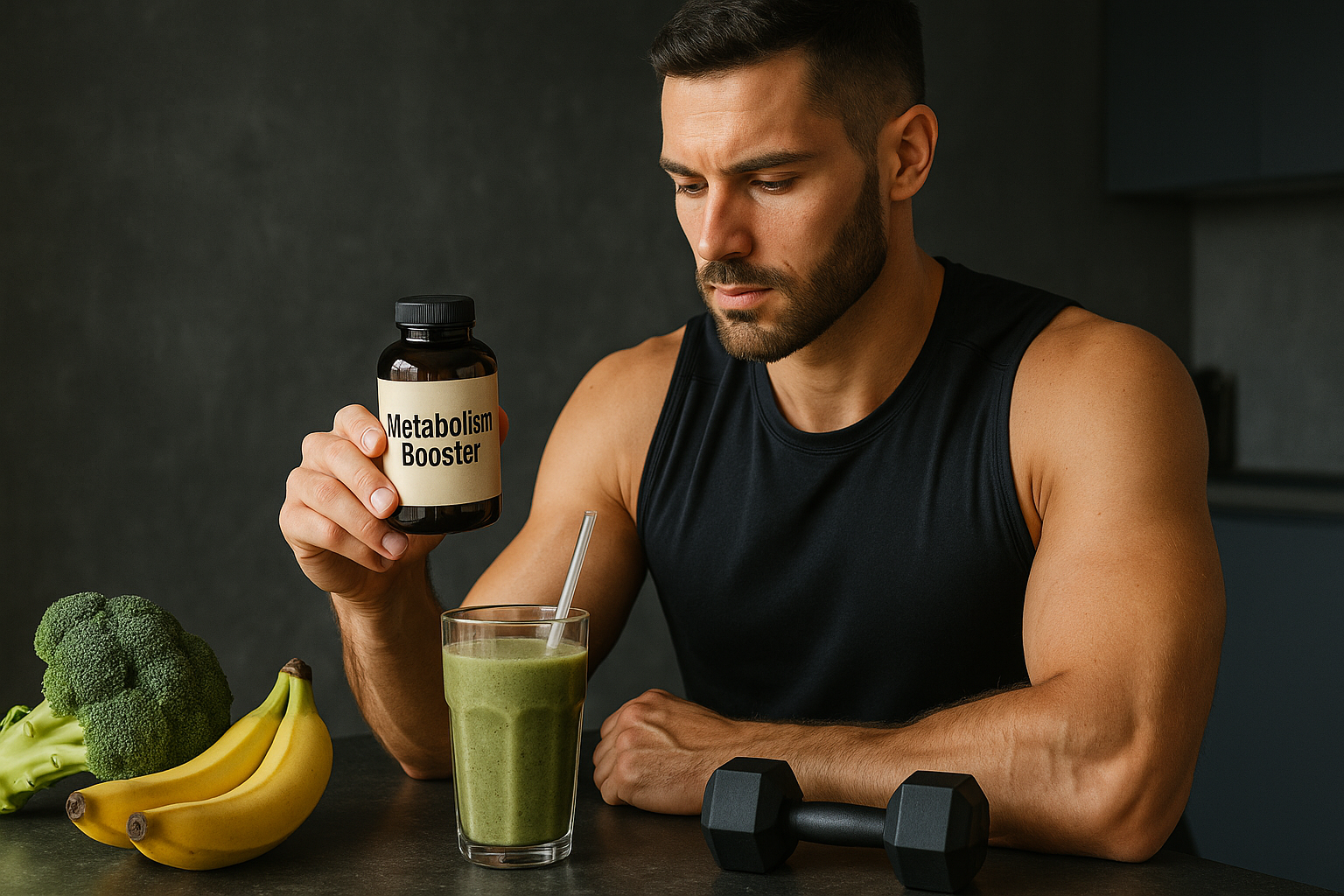
Metabolism booster is a popular phrase—but what it usually means is “help my body burn more energy.” The truth is more nuanced: your metabolism (resting energy + daily energy expenditure) responds to things like muscle, activity, food, hydration, and sleep. Some habits can nudge energy use up a bit; no single food or drink automatically melts fat. Below, you’ll get a clear, evidence-first explanation of what a metabolism booster does, whether it can help with weight loss, and a practical plan you can start this week—including metabolism booster smoothie and coffee metabolism booster guidance.
What does a metabolism booster do?
Metabolism basics: why “boosting” is often misunderstood
In plain terms, what does a metabolism booster do? It’s supposed to change your body’s energy expenditure—the calories your body uses to keep you alive and active. Energy expenditure includes:
- Resting metabolic rate (RMR): energy your body uses at rest (your organs, breathing, temperature regulation).
- Activity energy expenditure: calories used during movement (walking, lifting, sports, daily chores).
- Diet-related thermogenesis: calories you burn digesting and processing food.
The misunderstanding: most “metabolism booster” marketing implies the body can be forced to burn dramatically more calories without changing intake. In real life, large, sustainable fat loss still comes down to total calorie balance—and metabolism-related changes are usually smaller than the claims.
For a foundation on metabolism and weight loss, see Metabolism and weight loss: how you burn calories (Mayo Clinic).
What actually changes energy expenditure (and what doesn’t)
Here are the levers with the best real-world support:
- More muscle / resistance training: helps you maintain a higher baseline of activity and improves body composition over time.
- Move more (NEAT): steps, standing, and daily movement often matter more than people expect.
- Protein + adequate calories (not starvation): supports training recovery and lean mass. Extreme restriction can backfire for long-term adherence and body composition.
- Sleep and stress: poor sleep can worsen appetite regulation and recovery—indirectly affecting your ability to train and stay consistent.
- Hydration: supports normal physiology and can affect how you feel and perform, though it isn’t a fat-burning shortcut.
- Thermic foods/spices: some foods slightly increase thermogenesis (digestion-related calorie burn). It’s helpful, but not dramatic.
What usually doesn’t work: quick “set it and forget it” solutions that claim you can eat normally, take a single supplement/drink, and meaningfully override metabolism. If it sounds too good to be true, it probably is.
As MedlinePlus notes, Can you boost your metabolism? (MedlinePlus), raising metabolism is not a magic button—and there are more myths than tactics that reliably “boost” it.
Do metabolism boosters help you lose weight?
How weight loss depends on total calorie balance
To lose fat, you need an overall energy deficit—meaning you burn more calories than you consume. That deficit can come from multiple sources: diet, activity, and (to a smaller degree) digestion-related thermogenesis.
So, does metabolism booster help lose weight? The realistic answer is:
- They can support weight loss by helping you control hunger, improve training performance, or modestly increase energy expenditure.
- They do not replace a calorie deficit if your food intake remains higher than your energy output.
When metabolism-related changes are more realistic (vs. marketing claims)
You’re more likely to see meaningful progress when your “metabolism booster” strategy includes at least one of these:
- Resistance training 2–4x/week to build/maintain muscle
- Higher daily movement (steps, walking after meals, less sitting)
- Higher-protein eating to support body composition
- Consistent sleep so you can train and make better food choices
- Fiber-rich foods to improve fullness and simplify dieting
That’s why the best approach is “metabolism-supporting habits,” not “metabolism override.”
Best natural metabolism booster options (food first)
If you’re looking for metabolism booster fruits, a plant-based metabolism booster, or simply better food choices that support healthy energy use, start here. Whole foods generally improve nutrition quality, satiety, and training readiness—three things that make weight loss easier.
Metabolism booster fruits (what to look for + practical portion ideas)
Fruits won’t magically “boost” your metabolism like a switch, but certain fruits can help you eat better overall (fiber, micronutrients, natural sweetness that helps you stick to a plan). When choosing metabolism booster fruits, look for:
- Fiber and volume: helps fullness
- High polyphenol content: supports overall health pathways (not a direct fat-loss tool, but useful)
- Lower added sugar: choose whole fruit over juice
Portion ideas (simple + repeatable):
- Berries (blueberries, raspberries, blackberries): 1–2 cups as a snack or with Greek yogurt
- Apples: 1 medium apple or sliced with nut butter (watch portions)
- Citrus (oranges, grapefruit): 1–2 servings/day
- Kiwi: 1–2 kiwis (great for fiber)
- Pomegranate (portion-aware): 1/2–3/4 cup
If you’re aiming for a metabolism booster smoothie, berries, kiwi, and citrus work well because they add flavor without turning the drink into a sugar bomb.
Plant-based metabolism booster foods (plant-based approach)
A plant-based metabolism booster is best thought of as a diet pattern that supports energy expenditure and body composition through nutrition quality—not through a single “fat-burning” ingredient.
Plant-based staples that support your goals:
- Legumes: lentils, chickpeas, beans (protein + fiber)
- Whole grains: oats, quinoa, brown rice (training fuel + fullness)
- Nuts and seeds: chia, flax, hemp, pumpkin seeds (healthy fats + fiber)
- Leafy greens and cruciferous veg: spinach, kale, broccoli (micronutrients + volume)
- Fermented foods: yogurt/kefir (if you eat dairy) or fermented vegetables (gut support for overall health)
If you’re specifically searching “plant based metabolism booster,” remember: the “boost” you want is often the result of improved structure—protein adequacy, fiber, and consistent training—not a single miracle food.
Metabolism-boosting foods/spices to consider (tie back to evidence tone)
Some foods and spices may slightly increase digestion-related thermogenesis or support healthier eating patterns. Examples commonly discussed include:
- Ginger (tea or in meals)
- Cayenne/chili (adds flavor; can modestly increase heat production for some people)
- Green tea (contains caffeine and antioxidants; caffeine may help short-term alertness)
- Lean protein sources (including fish, poultry, eggs, and plant proteins): helps maintain lean mass during dieting
Important: these are supportive—not guaranteed fat-loss triggers. Your best “metabolism booster” is still the routine that keeps your calorie balance trending downward.
For more on meal ingredients that may affect sleep and recovery when you’re using stimulants, see: Does L-theanine make you sleep? Evidence, timing, side effects (useful when building a caffeine routine).
Metabolism booster drinks (smoothies + coffee)
People search “metabolism booster smoothie king” and similar queries because drinks are easy to adopt. The key is to build a drink that helps you hit protein, fiber, and fruit/veg—without turning it into a high-calorie dessert.
Metabolism booster smoothie king-style: how to build one at home
You can create a “Smoothie King-style” approach at home by focusing on a protein + fiber + fruit foundation. (Not affiliated—just a recipe framework.)
Ingredient checklist (protein/fiber/fruit/base)
- Base (pick one):
- Unsweetened almond milk or soy milk
- Water + milk alternative
- Low-fat milk (if tolerated)
- Protein (pick one):
- Greek yogurt
- Protein powder (if you already use it)
- Silken tofu (blends well)
- Fruit (pick one or two):
- Berries
- Banana (use 1/2 if you’re watching calories)
- Kiwi
- Orange/clementine segments
- Fiber and thickness (optional but useful):
- Chia seeds or ground flax
- Oats (small handful)
- Flavor boosters:
- Cinnamon
- Ginger
- Unsweetened cocoa powder
- Don’t add liquid sugar: skip syrups/juice for the “metabolism” goal.
Simple template (1 serving):
- 300–450 ml (10–15 oz) base
- 1 serving protein (yogurt or measured protein)
- 1 cup fruit (or 1/2 banana + berries)
- 1–2 tbsp chia or 1–2 tbsp oats (optional)
- Blend until smooth
When to use it: as a post-workout meal, as a mid-day protein snack, or as a breakfast substitute when you struggle to eat enough protein.
Caffeine metabolism booster / coffee metabolism booster: what to expect
“caffeine metabolism booster” searches usually mean: coffee helps me burn more calories or suppress appetite. Caffeine can temporarily improve alertness and may increase energy expenditure slightly in the short term. But it’s not a permanent metabolism rewrite—and it can backfire if it harms sleep.
Timing and side-effect considerations (jitter, sleep disruption)
- Sleep matters: late-day caffeine can reduce sleep quality, which can worsen recovery and appetite regulation.
- Overstimulation: some people experience anxiety, jitteriness, or increased heart rate.
- Stomach sensitivity: coffee can irritate reflux or stomach discomfort in some individuals.
Practical approach: keep caffeine consistent (not erratic), test tolerance, and prioritize timing that protects sleep. If you’re also using sleep-related ingredients, consider how they fit together—especially since caffeine can blunt the benefits of a wind-down routine.
Safety note: This content is for general education and is not medical advice. If you have a medical condition, are pregnant/breastfeeding, or take medications, consult a healthcare professional before making changes—especially if using caffeine or supplements.
Metabolism booster exercises (what tends to work)
Move more + build/maintain muscle (general guidance)
For metabolism booster exercises, the most reliable approach is a combination of:
- Resistance training: helps build/maintain muscle—key for body composition.
- Cardio or movement: improves cardiovascular fitness and increases daily energy output.
- NEAT (non-exercise activity): steps, walking, standing—often the biggest “hidden” calorie burn lever.
You don’t need complicated workouts. You need consistency and progressive overload (in some form) for strength and muscle retention.
Simple exercise checklist for consistency
Use this weekly structure:
- 2–4 days/week resistance training (full-body preferred for beginners)
- 150+ minutes/week moderate cardio OR 7,000–10,000 steps/day (adjust to your baseline)
- 1–2 short walks after meals (10–20 minutes)
- Daily “no excuses” target: at least 30 minutes total movement spread across the day
Quick full-body starter (2x/week):
- Squat pattern (goblet squat or leg press) — 3 sets
- Hip hinge (Romanian deadlift or hip thrust) — 3 sets
- Push (push-ups or dumbbell press) — 3 sets
- Pull (rows or lat pulldown) — 3 sets
- Carry or core (farmer carry, plank) — 2–3 sets
Progress gradually. The goal isn’t “metabolism cheating”—it’s improving your body’s ability to maintain muscle and increase daily output.
Side effects, safety, and who should be cautious
Caffeine/coffee considerations
Common issues people run into with coffee metabolism booster habits include:
- Sleep disruption (which can sabotage appetite control and recovery)
- Jitters/anxiety or feeling “wired”
- Digestive upset or reflux
- Tolerance creep: needing more to feel the same effect
If you experience these, reduce intake and shift caffeine earlier in the day. If symptoms are persistent or severe, talk to a clinician.
If you’re using supplements or have medical conditions: talk to a clinician
Many “metabolism booster” products (especially supplement-adjacent ones) are marketed with performance-like language. The safest move is to be cautious—particularly if you take medications, have high blood pressure, anxiety/panic history, heart rhythm conditions, diabetes, or gastrointestinal disorders.
If you’re ever tempted by peptide or stimulant-adjacent “fat loss” marketing, it helps to ground your decisions in evidence and safety. For context on why “no-hype” safety matters when exploring metabolic claims, you might review: AOD9604 benefits, side effects, safety.
Disclaimer (required): This content is for general education and is not medical advice. If you have a medical condition, are pregnant/breastfeeding, or take medications, consult a healthcare professional before making changes—especially if using caffeine or supplements.
Bottom line: a realistic metabolism-focused routine
A metabolism booster strategy works best when it’s really a strategy for energy balance + body composition. Think: support your metabolism by building muscle, increasing daily movement, eating protein/fiber, and protecting sleep. Drinks and coffee can be helpful tools—but they should not come at the cost of your recovery.
Daily/weekly plan summary (food + movement + sleep habits)
- Daily:
- Protein-forward meals (include a protein source at each meal)
- At least 1–2 servings of metabolism booster fruits (whole fruit)
- Fiber target via veggies/legumes/whole foods
- Walk after one meal (10–20 minutes)
- Protect sleep (consistent bedtime; avoid late caffeine)
- Weekly:
- 2–4 resistance training sessions (metabolism booster exercises that you can repeat)
- Cardio or step target you can sustain
- One “metabolism booster drink” day: build your smoothie template at home (protein + fruit + fiber)
Next step: Pick one lever to start this week—either (1) a protein/fiber smoothie template, (2) a 2x/week resistance training plan, or (3) a caffeine timing rule that protects sleep. Consistency beats intensity when your goal is a measurable body composition change.
FAQ
What does a metabolism booster do?
A metabolism booster (in the real-world sense) supports your body’s energy expenditure—resting calorie use, digestion-related calorie burn, and/or daily activity. The best results come from muscle maintenance, more movement, adequate protein/fiber, and good sleep—not magic foods.
What does metabolism booster coffee do, and is caffeine actually a metabolism booster?
Coffee and caffeine can temporarily increase alertness and may slightly affect energy expenditure. However, it’s not a permanent metabolism switch, and it can reduce sleep quality if taken too late. That’s why timing matters for any “coffee metabolism booster” plan.
Do metabolism boosters help lose weight, or is it mostly marketing?
Most “metabolism booster” products are overstated. The reliable driver of fat loss is still a calorie deficit. Metabolism-supporting habits can make the deficit easier by improving hunger control, diet quality, and training performance.
What are the best metabolism booster fruits?
Good options include berries, apples, citrus, kiwi, and pomegranate (portion-aware). They support weight goals mainly by adding fiber, micronutrients, and helpful volume—making it easier to maintain a sustainable diet.
What is a plant-based metabolism booster?
A plant-based metabolism booster is a plant-forward eating pattern that supports healthier body composition through fiber, micronutrients, and adequate protein from legumes/whole foods. It’s not usually about one single “fat-burning” ingredient.
Are there metabolism booster side effects, especially from caffeine or supplements?
Yes—especially with caffeine (sleep disruption, jitteriness, digestive upset) and some supplements (varies by product and individual health). This is why caution is important, and anyone with medical conditions or medication use should talk to a healthcare professional first.