
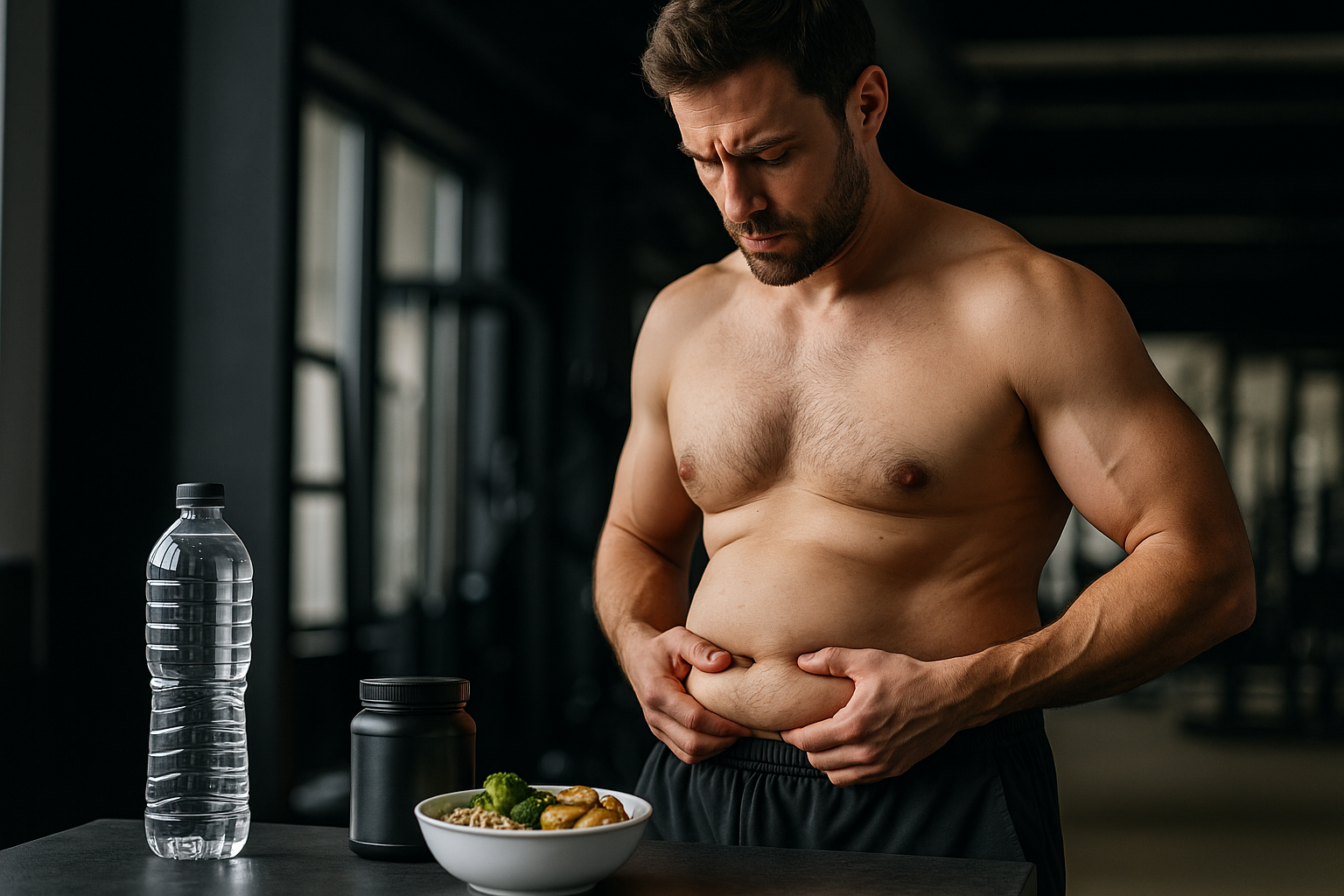
If you’re searching for the fastest way to lose belly fat, here’s the honest answer up front: there’s no safe or effective “spot reduction” that burns fat only from your stomach. The fastest practical approach is to reduce overall body fat with a calorie deficit, prioritize a high-protein diet for fat loss plus soluble fiber, and back it with strength training + consistent cardio—while protecting sleep and stress, which strongly affect appetite and adherence.
This guide gives you an evidence-aligned, do-this-first plan, including a 7-day routine and exactly what to track so you don’t get misled by the scale.
What “fastest way to lose belly fat” really means (and what you can’t do)
No spot reduction: why exercise/diets can’t target only belly fat
Your body stores fat in multiple locations (including under the skin and deeper visceral/abdominal fat). When you lose fat, you generally reduce overall fat mass first—your genetics decide where it comes off earlier. That’s why doing a ton of belly fat exercise (like crunches) can strengthen your core and improve your waistline’s look, but it usually doesn’t directly “melt” stomach fat.
Key takeaway: If your goal is to reduce abdominal/visceral fat, you need a strategy that works on total fat loss, not a single body area.
How belly/waist changes usually occur (overall fat loss first)
In most people, the sequence looks like this:
- Early phase (days to ~2 weeks): You may see scale changes (water/glycogen), and the waist can fluctuate due to digestion, salt intake, and stress.
- Then consistency matters: As fat loss accumulates, waist circumference tends to trend down along with body weight—though the scale may move slower than waist measurements.
- After a few weeks: Changes in clothing fit become more obvious, especially if strength training helps maintain or build muscle.
So while you may notice changes quickly, the “fastest” results still depend on doing the fundamentals consistently.
The fastest evidence-aligned levers (do these first)
Here’s the fastest, most reliable order of operations—if you do only one thing, do Step 1.
1) Create a sustainable calorie deficit (simple method)
A calorie deficit for fat loss is the core lever. You don’t need extreme restriction—you need one you can repeat.
Simple approach:
- For 14 days, track intake honestly (even roughly) so you know your baseline.
- Reduce your average daily intake by about 300–500 calories (or aim for a “moderate” reduction you can stick with).
- Prioritize protein and fiber (next sections) so you feel full and maintain training performance.
What to avoid: Under-eating too aggressively can backfire through hunger, poor sleep, reduced training quality, and cravings.
2) Hit protein + soluble fiber daily (examples included)
A high-protein diet for fat loss helps you preserve muscle while you lose fat, which supports a leaner look. Soluble fiber improves fullness and helps manage appetite and digestion.
Protein targets (practical): Aim for a protein source at every meal. If you want a starting point, many active men do well with ~0.7–1.0 g of protein per pound of goal body weight (adjust based on your size, activity, and tolerance).
Soluble fiber targets (practical): Include fiber daily—especially from foods known for soluble fiber. Examples:
- Oats, oat bran
- Beans and lentils
- Chia seeds and ground flax
- Apples, citrus, berries
- Vegetables like carrots and Brussels sprouts
What a day could look like (easy categories):
- Protein: chicken/turkey, fish, eggs, Greek yogurt, lean beef, tofu/tempeh
- Soluble fiber: oats, beans/lentils, chia/flax, fruit
- Smart carbs: potatoes, brown rice, quinoa, whole grains (portion-controlled)
- Volume foods: vegetables and soups
Fastest upgrade: Make your breakfast and lunch “protein + fiber” meals. That’s where most people gain the biggest appetite control.
3) Choose a belly-fat-friendly diet pattern (plant-forward + lean proteins)
There isn’t one “magic” diet for belly fat, but patterns that support fat loss share similar traits: higher protein, more whole foods, and enough dietary fiber.
The Mayo Clinic highlights focusing on plant-forward foods (fruits, vegetables, whole grains) and choosing lean sources of protein like fish and low-fat dairy products. Anchor this pattern to meals you can repeat—not a temporary crash plan.
Mayo Clinic: belly fat strategies (plant-forward foods, lean protein, whole grains)
For most men, a simple framework is:
- Lean protein at each meal
- Half your plate non-starchy vegetables
- One or two fists of carbs depending on training day vs rest day
- Healthy fats in measured portions (olive oil, nuts, avocado)
This supports a calorie deficit without leaving you depleted—often the difference between “fast results” and “can’t sustain it.”
4) Alcohol moderation and why it matters
Alcohol can slow belly-fat loss in a few ways: it adds calories, can worsen sleep quality, and often increases appetite and cravings. Even if your calories “fit,” alcohol can make adherence harder.
Practical rule: If belly fat loss is your priority, keep alcohol to minimal and predictable amounts (or take a short break). You’ll often notice better training energy and easier calorie control within a couple of weeks.
Best exercises for belly-fat loss (what to do weekly)
To lose belly fat fastest, your exercise plan should do two jobs:
- Increase calorie burn and fitness (cardio)
- Preserve/build muscle so you look leaner as fat drops (strength training)
Cardio dose (moderate vs vigorous) and consistency
Cardio helps you create the deficit and improves cardiovascular health. The “best” dose is the one you’ll repeat.
Weekly target (start here):
- 150 minutes/week of moderate-intensity cardio (like brisk walking), or
- 75 minutes/week vigorous-intensity, or
- A combination—plus daily movement
If you want a simple progression: aim for 20–30 minutes on 4–5 days, then adjust based on recovery and schedule.
BHF exercise guidance for fat loss (aerobic activity levels)
Strength training for body composition (key for fat-loss outcomes)
Strength training is a major reason “belly fat loss” looks better in real life. It helps maintain or build muscle, which supports your metabolism and improves body composition while the scale goes down.
Minimum effective dose: 2–4 sessions/week with full-body focus.
Exercise selection (keep it simple):
- Squat pattern (goblet squat, leg press)
- Hinge pattern (Romanian deadlift)
- Push (push-ups, bench press, dumbbell press)
- Pull (rows, lat pulldown)
- Core/anti-rotation (planks, Pallof press, dead bug)
About abs: Direct ab work can strengthen your core and improve posture, but it won’t selectively burn belly fat. Think of it as “core performance + aesthetics,” not a fat-loss mechanism.
A sample 7-day routine (mix of cardio + strength)
Choose this if you want a clear first-week structure. Adjust based on current fitness—your goal is consistency, not maximal soreness.
| Day | Training | Focus |
|---|---|---|
| Day 1 | Strength (Full body) | 45–60 min; moderate loads; finish feeling you could do 2–3 more reps |
| Day 2 | Cardio + steps | 25–35 min brisk walk or cycling + aim for extra steps |
| Day 3 | Strength (Full body) | 45–60 min; include hinge + pull + push |
| Day 4 | Active recovery | 20–30 min easy walk + mobility |
| Day 5 | Cardio intervals (optional) | 10 min warm-up, then 6–10 rounds of 1 min faster / 1–2 min easy |
| Day 6 | Strength (Upper/Lower split optional) | 45–60 min; keep form strict; include core anti-rotation |
| Day 7 | Rest or easy cardio | Long walk 30–60 min if you feel good |
Progression for week 2: Add 5–10 minutes to cardio time, or add 1–2 reps per set on strength days—only if recovery stays solid.
Sleep, stress, and hormones: the “accelerators” you shouldn’t ignore
If you want the fastest results, you need your body to cooperate. Sleep and stress influence appetite, cravings, and training recovery—often more than people realize.
How sleep affects appetite/weight regulation (practical sleep habits)
Poor sleep can make you hungrier, reduce self-control around food, and lower your training quality. The goal is consistent, adequate sleep — not perfect bedtime rituals.
Practical habits for fat-loss support:
- Set a consistent wake time (even weekends)
- Get morning light exposure (5–10 minutes)
- Stop caffeine 8–10 hours before bed if it affects you
- Keep your room cool/dark
- Use your last hour for winding down (screens dimmed, low-stimulation)
If you use supplements for sleep, be careful: discuss options with a clinician when appropriate. You can also read more here: Melatonin Sleep Aid Supplement: Sleep Aid vs Melatonin + Safe Dose Timing.
Stress management basics that support adherence
Stress doesn’t “store belly fat” by itself, but it can raise cortisol and—more importantly—drive behaviors that slow fat loss: late-night eating, poor sleep, and inconsistent training.
Fast stress tactics:
- 10 minutes/day of walking or breathing exercises
- Plan workouts like meetings (same time window weekly)
- Reduce friction: prep protein-forward meals and keep “default snacks” ready
If you’re noticing stubborn abdominal fat plus other symptoms, also consider hormone-related factors. For additional context on abdominal weight distribution, see: Estrogen and Weight Gain: High vs Low Estrogen, HRT, and What to Do Next.
Note: Hormone-related issues can be individual. If you’re on HRT, have endocrine/metabolic conditions, are pregnant/breastfeeding, or take medications, consult a clinician for personalized guidance.
How to track progress without getting misled
To truly measure the fastest way to lose belly fat, track signals that match your goal: waist circumference and weekly trend lines.
Waist measurements vs scale vs weekly trends
Best tracking setup (simple):
- Waist measurement: 1–2 times/week, same time of day (often morning). Measure at a consistent point (around the navel or the narrowest point you can repeat reliably).
- Scale weight: daily if you want, but evaluate the weekly average, not single weigh-ins.
- Training performance: track reps/load or cardio duration—if it improves while waist trends down, you’re on track.
What’s normal: Your weight may plateau briefly even while waist improves (or vice versa). That doesn’t automatically mean the plan isn’t working—it often means water balance is temporarily masking fat loss.
Common mistakes that slow belly-fat loss
- Trying to out-exercise a poor diet: cardio helps, but without a consistent deficit, belly fat won’t drop quickly.
- Over-restricting: extreme dieting often reduces protein quality, increases cravings, and harms sleep.
- Under-eating protein: you may lose muscle and feel weaker, making body composition worse.
- Skipping strength training: you’re leaving “lean look” gains on the table.
- Inconsistent workouts: fat loss depends on weekly adherence, not one hard week.
- Poor sleep and high stress: increases hunger and reduces recovery.
- Believing ab training equals belly fat loss: great for core strength—doesn’t selectively burn belly fat.
When to get medical help
Belly fat loss isn’t guaranteed and varies by person. If you have risk factors or suspect a medical cause, don’t try to “hack” it alone.
Red flags (rapid unexplained weight changes, suspected medical causes)
- Rapid, unexplained weight changes
- Symptoms of endocrine issues (significant fatigue, frequent temperature intolerance, unusual hair/skin changes)
- Sudden abdominal swelling or pain
- Muscle weakness or other concerning changes with dieting attempts
Consider discussing with a clinician—especially if you have metabolic conditions, are on medications that affect weight, or you’re not seeing expected improvements after you’re consistent with nutrition, training, and sleep.
FAQ: fastest way to lose belly fat
What is the fastest way to lose belly fat for most people?
For most people, the fastest practical approach is: create a modest calorie deficit, eat a high-protein diet for fat loss with soluble fiber, and train with strength training + consistent cardio—while protecting sleep and stress. There’s no guaranteed shortcut beyond fundamentals.
Can I lose belly fat without doing cardio?
Yes, you can lose overall fat without cardio, but cardio often helps you create the deficit and improves recovery and cardiovascular health. If you hate cardio, start with more daily steps and prioritize strength training—then add cardio only if it’s sustainable.
Do ab exercises actually reduce belly fat?
Ab exercises strengthen and can improve posture, but they generally don’t reduce belly fat specifically. Belly fat reduction happens from overall fat loss driven by calorie deficit, protein/fiber intake, and training consistency.
How much protein and soluble fiber should I aim for to support fat loss?
Protein: aim to include protein at each meal and target roughly 0.7–1.0 g per pound of goal body weight as a starting range (adjust based on your situation). Soluble fiber: include fiber daily from foods like oats, beans/lentils, chia/flax, and fruit. If you have GI conditions, increase fiber gradually and consider clinician guidance.
How long does it take to see changes in waist size?
Many people notice trends within a few weeks when consistent with diet, training, and sleep. Early changes can be masked by water and digestion, so track both waist measurements and weekly averages instead of reacting to day-to-day fluctuations.
Does alcohol cause belly fat, and how much moderation helps?
Alcohol can contribute to belly fat indirectly by adding calories and worsening sleep and appetite regulation. Moderation (or temporary reduction) often makes it easier to maintain a deficit and improve sleep—both of which support faster fat loss.
Conclusion: your next step to lose belly fat faster
If you want the fastest way to lose belly fat, start with a 14-day protocol: set a sustainable calorie deficit, lock in protein + soluble fiber daily, train with strength 2–4x/week plus cardio, and protect sleep. Then track progress with a weekly waist trend, not daily scale panic.
Next step: Pick your plan for week one—use the sample 7-day routine above—and set two non-negotiables: protein at every meal and consistent workouts. That combination is what usually turns “trying” into real, visible results.