
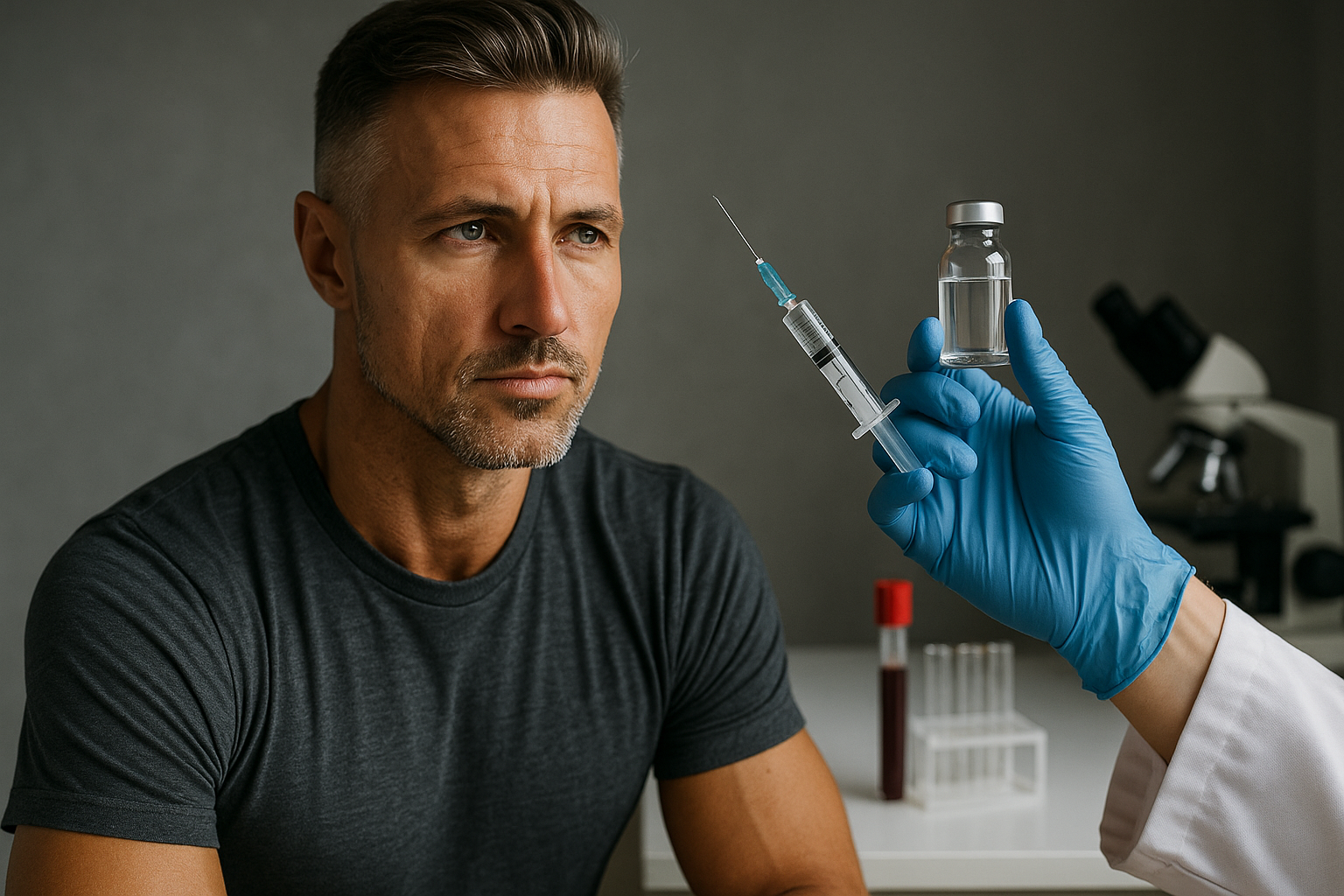
“Hormone therapy for men” is a broad phrase—and it’s easy to mix up two very different medical goals. In men, it most commonly refers to testosterone replacement therapy (TRT) used for low testosterone / hypogonadism. But “hormone therapy” can also mean prostate cancer hormone therapy, which aims to slow or treat cancer, not to treat fatigue or low libido.
This guide focuses on hormone therapy for men in the TRT (low testosterone) sense—what qualifies, likely benefits, real risks, and how clinicians monitor safety over time. (Spoiler: lab confirmation and follow-up monitoring are not optional.)
Medical disclaimer: This article is for educational purposes only and is not medical advice. Don’t buy or use testosterone or other hormones without evaluation by a licensed clinician. If you have urgent or severe symptoms (like chest pain or trouble breathing), seek urgent medical care.
What “hormone therapy for men” usually refers to
TRT for low testosterone vs hormone therapy for prostate cancer (mechanism and purpose)
When people search “hormone therapy for men,” they often want relief from symptoms like low libido, low energy, depressed mood, or loss of strength. In medical practice, the most relevant option for these concerns is typically testosterone replacement therapy (TRT)—a form of treatment used when a clinician confirms low testosterone due to hypogonadism.
By contrast, prostate cancer hormone therapy (often called androgen deprivation therapy) targets prostate cancer growth. It works by lowering androgen signaling in specific cancer pathways. The eligibility, goals, and monitoring are different—so you shouldn’t assume a “hormone therapy” article applies to TRT for low testosterone.
Hormone Therapy for Prostate Cancer Fact Sheet (NCI)
Andropause—what it is and why proper diagnosis matters
“Andropause” is a popular term for age-related declines in testosterone. But in real-world care, not every low-T symptom is caused by testosterone. Sleep problems, stress, obesity, medication side effects, chronic illness, endocrine disorders, and depression can mimic the symptoms of low testosterone (libido, energy, mood, strength).
That’s why clinicians look for both:
- Symptoms consistent with low testosterone
- Lab evidence (typically confirmed on repeat testing)
When hormone therapy is considered: symptoms + lab confirmation
Common symptom categories (sexual, energy, body composition, mood)
Clinically, decisions often start with symptom patterns. While individual experiences vary, men commonly report:
- Sexual: reduced libido, fewer spontaneous erections, erectile changes
- Energy and performance: fatigue, reduced stamina, “brain fog”
- Body composition: increased body fat, reduced lean mass, decreased strength
- Mood and motivation: lower mood, irritability, reduced drive
Important: These symptoms overlap with many non-hormonal conditions. A responsible clinician will consider other causes before concluding it’s hypogonadism.
Lab testing framework (baseline testosterone + repeat confirmation)
Hormone therapy for men is generally based on laboratory confirmation, not symptoms alone. The specific tests and timing can vary, but a common framework includes:
- Morning total testosterone (often drawn in the morning when levels are typically highest)
- Repeat confirmation on a separate day if results are low
- Assessment of “free” testosterone in certain situations (for example, when sex hormone binding globulin—SHBG—is abnormal)
- Related labs to identify the cause (not just the symptom), such as LH/FSH and sometimes prolactin or other endocrine evaluations depending on context
Competitors sometimes jump straight to benefits and side effects. The lab-first approach is what keeps hormone therapy safe and appropriate. If a clinician can’t explain the rationale for your test results and next steps, it’s a red flag.
Potential benefits (what improvement may look like)
When TRT is appropriately indicated and monitored, some men experience meaningful changes. However, responses can be variable—especially if symptoms are driven by non-hormonal factors.
Libido and energy considerations
Among the areas most often discussed, libido and sexual function are commonly targeted. Some men also report improved energy, mood, and overall sense of well-being. Even so, clinicians set realistic expectations: TRT may improve some symptoms, but it’s not a universal fix.
One reason is that testosterone interacts with many systems—sleep, activity, cardiovascular health, metabolic status, mental health, and more. That’s why many “best results” plans combine appropriate medical evaluation with lifestyle supports.
If libido is a key symptom category, you may also find it useful to pair hormone evaluation with behavioral and recovery strategies: Men’s Libido Reset Plan: 30-Day Checklist for Low Libido in Men.
Bone density/strength & muscle-related outcomes (what evidence suggests)
Testosterone can influence bone mineral density and supports maintenance of lean mass. In men with confirmed hypogonadism, TRT may help with:
- Bone density over time
- Muscle mass and strength, especially alongside resistance training
Evidence is mixed across outcomes like functional performance, but the general medical consensus is that testosterone replacement can support skeletal and body-composition health when deficiency is real. That said, the “exercise + TRT + monitoring” combination is fundamentally different from “take testosterone and hope.”
For context on how symptoms can change after starting TRT and what monitoring often looks like, see: Signs TRT Is Working: Week-by-Week Timeline (Energy to Libido) + Lab Checks.
Risks and side effects you should understand before starting
TRT is not risk-free. Before therapy begins, a clinician should review your health history, medication list, and baseline labs—then revisit safety regularly.
Cardiovascular/metabolic concerns (high-level risk framing)
Cardiovascular risk is one of the most discussed topics in testosterone therapy. Research has been complex and sometimes conflicting depending on study design and populations. Still, medical sources generally emphasize that TRT decisions should be individualized—especially if you already have risk factors.
Possible considerations include:
- Blood pressure changes in some men
- Blood viscosity changes due to increased red blood cell production (which can affect clotting risk in certain contexts)
- Metabolic factors like weight, diabetes risk, and lipid profile trends
The takeaway: TRT should be prescribed with a plan to detect and manage complications early, not as a “set it and forget it” therapy.
Other notable side effects to watch for
Beyond cardiovascular-related concerns, clinicians monitor for several known or possible testosterone therapy side effects (men), such as:
- Erythrocytosis (increased red blood cell count / high hematocrit), which can increase viscosity
- Acne or oily skin; sometimes increased body hair
- Fluid retention and possible changes in swelling
- Breast tenderness or gynecomastia in some men
- Testicular shrinkage and reduced natural testosterone production (TRT can suppress the hypothalamic-pituitary-gonadal axis)
- Fertility changes—important for men who want children
- Sleep apnea worsening in susceptible individuals
For a detailed medical risk overview, review: Risks of testosterone replacement therapy in men.
Additionally, Mayo Clinic notes both potential benefits and risks across age groups, emphasizing the need for careful selection and monitoring: Testosterone therapy: Potential benefits and risks as you age.
Monitoring plan: how clinicians track safety over time
A strong monitoring plan is one of the biggest gaps in low-quality content. If hormone therapy is appropriate, follow-up is where safety becomes real.
Baseline vs follow-up checks (labs and clinical review)
Clinicians typically perform baseline assessment before starting TRT and then schedule follow-ups to confirm both effectiveness and safety. Monitoring often includes:
- Symptom review: libido, energy, mood, sleep quality, erectile changes
- Testosterone levels (to ensure therapy is in the intended therapeutic range and not excessive)
- Blood counts (especially hematocrit/hemoglobin for erythrocytosis)
- Metabolic/lipid labs (individualized based on risk and baseline results)
- Prostate-related evaluation for men who are appropriate candidates (age- and risk-based; your clinician will tailor this)
- Other relevant labs based on your history (for example, if fertility or sleep apnea is a concern)
Practical example: If a man reports improved energy but labs show rising hematocrit, the “fix” may involve reassessment and dose adjustment discussion, not ignoring the lab trend.
“Signs you need reassessment” (dose adjustment vs discontinuation conversations)
Monitoring isn’t only about numbers; it’s also about side-effect emergence and unexpected symptom changes. Ask your clinician whether any of the following should prompt earlier review:
- New or worsening shortness of breath, chest discomfort, or severe headaches (urgent evaluation if severe)
- Rising hematocrit on labs
- Worsening or newly diagnosed sleep apnea symptoms (snoring, witnessed pauses in breathing, daytime sleepiness)
- Significant acne, fluid retention, or breast tenderness
- Unexpected changes in mood or energy that feel “off”
- Fertility concerns that become relevant after starting therapy
These situations don’t automatically mean stopping TRT immediately, but they do mean reassessment should happen.
Questions to ask your doctor (decision checklist)
Use this list to guide a real conversation—especially if you’re deciding whether hormone therapy for men is appropriate for your situation.
Diagnosis confirmation and target ranges
- Do my symptoms match hypogonadism, or could something else explain them?
- Which testosterone test results are low (total, free, or both)? Were they confirmed on separate mornings?
- What is the likely cause of low testosterone based on my labs (primary vs secondary hypogonadism)?
- What monitoring targets will you use to judge response and safety? (Ask for the rationale—without needing to focus on dosing yourself.)
Side-effect prevention and monitoring schedule
- What baseline labs and evaluations will we get before starting?
- When will follow-up testing occur? (Ask for the schedule, not vague timelines.)
- What labs will we track to watch for erythrocytosis, metabolic changes, and other risks?
- How will we handle abnormal labs if they occur?
- What side effects should make me contact you immediately versus “wait until the next appointment”?
Long-term follow-up expectations
- Is this intended to be long-term treatment for me, or are there conditions where we might stop?
- How will we reassess the need if symptoms improve—or if they don’t?
- How will my fertility goals affect the plan? Are there alternatives if pregnancy is desired?
- What happens if I miss follow-ups? (This reveals how seriously the clinician treats safety.)
Red flags and safety note
When to seek urgent medical care
Contact emergency services or seek urgent evaluation if you develop severe or concerning symptoms such as:
- Chest pain, pressure, or pain radiating to the arm/jaw
- Severe shortness of breath or sudden trouble breathing
- Signs of stroke (face drooping, arm weakness, speech trouble)
- Severe allergic reactions (swelling of face/throat, difficulty breathing)
- Severe headache with neurologic symptoms
If a clinician is telling you to ignore side effects or skip monitoring, that’s not good practice.
Who should not self-treat or delay evaluation
Don’t self-prescribe. Delaying evaluation can be risky because symptoms of low testosterone overlap with conditions that need different treatment.
Extra caution is warranted if you have (or might have):
- Known prostate issues or unexplained prostate symptoms (your clinician should guide appropriate evaluation)
- History of blood disorders or high hematocrit
- Untreated sleep apnea
- Uncontrolled cardiovascular disease or high risk profiles (your clinician should weigh risks and monitoring intensity)
- Plans for future fertility
- Symptoms that suggest an endocrine disorder beyond testosterone deficiency
If you’re considering hormone therapy for men because you’re feeling “off,” consider starting with diagnosis and fundamentals: sleep quality, stress management, and addressing reversible drivers. Even simple supports like optimizing sleep can influence hormone signaling and symptom perception—see: Mens Sleep Optimization: A 14-Night Plan for Falling Asleep, Staying Asleep.
FAQ
What qualifies a man for TRT or hormone therapy?
Most men qualify only after a clinician confirms symptoms consistent with low testosterone and lab evidence of low levels—often confirmed on more than one morning test. The cause of low testosterone matters, and other conditions should be ruled out.
What are the most common side effects of testosterone therapy in men?
Commonly discussed side effects include acne/oily skin, changes in libido and erectile function (variable), potential fluid retention, breast tenderness, increased red blood cell count (hematocrit), and fertility suppression. Sleep apnea can worsen in some men.
How do benefits and risks change as you get older?
Age can influence both baseline risk (cardiovascular/metabolic issues, prostate evaluation needs, sleep apnea prevalence) and how symptoms present. Many medical sources emphasize individualized decision-making: benefits may exist, but risk monitoring becomes even more important.
What labs are typically used to confirm low testosterone before starting?
Clinicians commonly use morning total testosterone and often repeat it to confirm. Depending on the situation, they may check free testosterone, LH/FSH, and related endocrine markers to understand the cause and assess overall safety.
How often should men be monitored once they start TRT?
Schedules vary by clinician and your risk profile, but monitoring generally includes repeat labs and symptom check-ins within the first months and then periodically thereafter. Ask your doctor for a specific plan (including which labs and when).
Is hormone therapy for men the same as prostate cancer hormone therapy?
No. TRT for low testosterone and prostate cancer hormone therapy differ in purpose, mechanisms, eligibility, and monitoring goals. Don’t assume they are interchangeable.
Conclusion: your next step should be “diagnose + monitor,” not “guess”
Hormone therapy for men can help some men with confirmed low testosterone / hypogonadism, but it’s not a one-size-fits-all solution. The safest, most effective path is a lab-first evaluation, a clear risk/benefit discussion, and a structured monitoring plan for side effects and lab changes.
Next step: If you’re considering TRT, schedule an appointment with a licensed clinician and bring your symptom timeline + any relevant labs. Use the Questions to ask your doctor checklist above to make sure the plan is individualized and monitored—not improvised.