
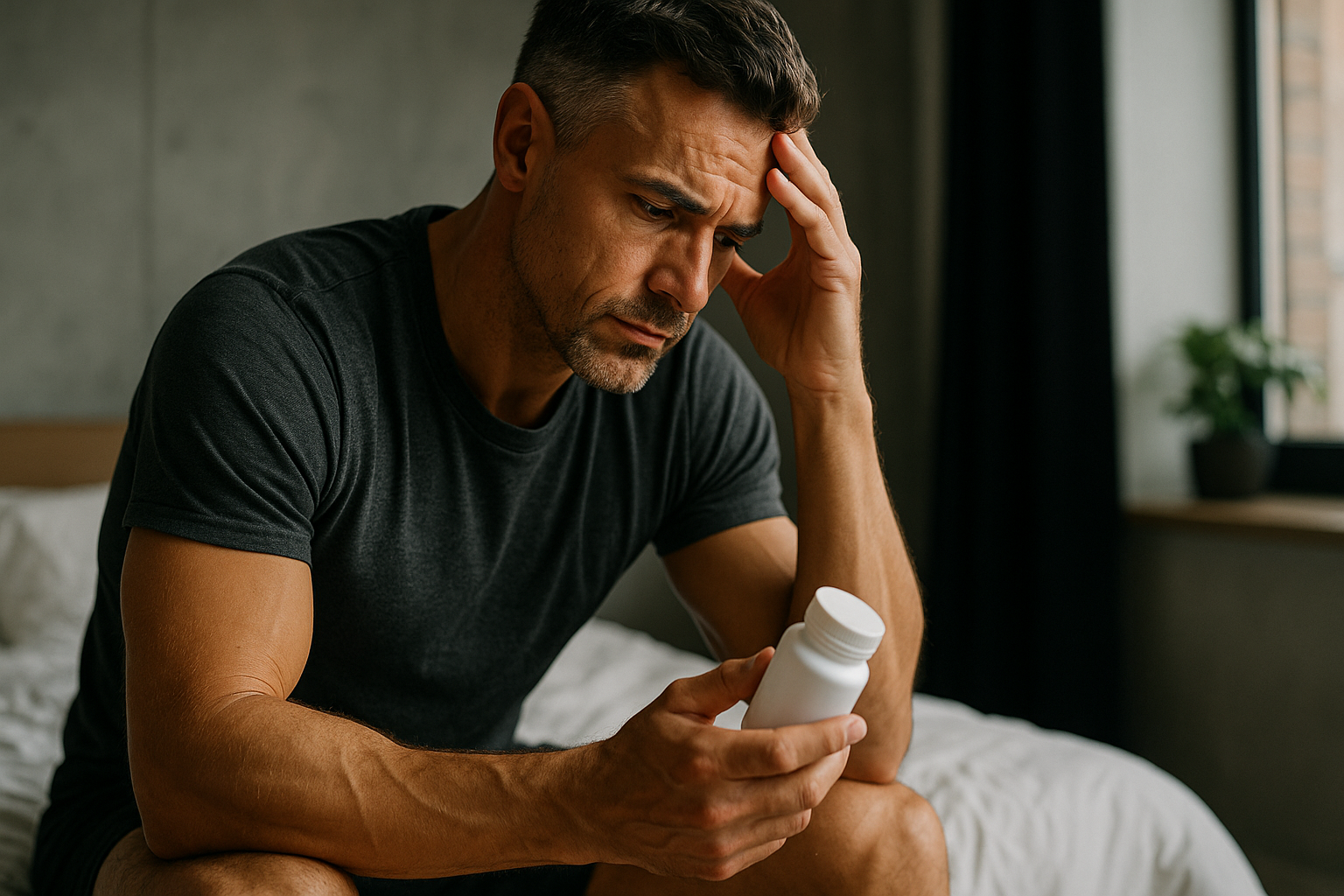
Important: Erectile dysfunction (ED) can be a sign of cardiovascular disease, hormonal problems, nerve issues, medication side effects, or other underlying conditions. If symptoms are new, worsening, or you have chest pain, shortness of breath, or other concerning symptoms, seek professional medical advice promptly. Do not stop or change prescription medications without your clinician’s guidance. For lifestyle/drug/nicotine questions, consider risk and moderation—avoid assuming any single substance “causes ED” for everyone.
Erectile dysfunction can feel isolating—but it’s also common and often treatable. In plain terms, erectile dysfunction means having consistent difficulty getting or keeping an erection firm enough for sex. The most useful next step isn’t guesswork—it’s understanding the likely drivers (blood flow, nerves, hormones, medications, lifestyle) and then taking evidence-based actions while working with a clinician to rule out underlying issues.
In this guide, we’ll cover what ED is, erectile dysfunction causes, how clinicians diagnose erectile dysfunction, practical lifestyle steps (including cardiovascular exercise for erectile dysfunction), and medication/lifestyle considerations—including long-tail questions like nebivolol vs metoprolol erectile dysfunction and do Zyns cause erectile dysfunction? We’ll also include an erectile dysfunction ICD-10 codes overview (responsibly—see the section below).
Who this is for: Men who want a clear, actionable explanation of ED and what to do next, plus partners who want to understand the medical and lifestyle context without blame or misinformation.
Our approach: We summarize high-level clinical guidance and explain what to discuss with your doctor—separating known medical causes from risk/behavior considerations. This isn’t a diagnosis, and it’s not a substitute for care.
Erectile dysfunction symptoms and causes (Mayo Clinic) provides a helpful medical baseline for definitions and common causes.
What is erectile dysfunction (ED)?
Erectile dysfunction (also called impotence) is usually defined by persistent or recurrent difficulty getting an erection, keeping an erection, or both, that’s sufficient for satisfactory sexual activity.
Symptoms (getting vs maintaining an erection)
People often describe ED in different ways. This matters because the likely cause can differ:
- Difficulty getting an erection: Often linked with reduced blood flow response, performance anxiety, or hormonal/neurologic issues.
- Difficulty maintaining an erection: Can occur with stress, distraction, medication effects, or vascular/nerve problems.
- Less firm erections over time: May reflect gradual cardiovascular or metabolic changes.
- Reduced morning erections: Sometimes suggests an underlying physiological driver rather than “just” situational stress.
When to seek medical help
Consider seeing a clinician if:
- ED lasts more than a few weeks or is worsening
- It occurs alongside low libido, fatigue, or other hormone-related symptoms
- You have risk factors such as diabetes, high blood pressure, high cholesterol, obesity, or smoking
- You’re experiencing erection problems plus chest pain, shortness of breath, or symptoms that could suggest cardiovascular disease
Quick mindset shift: ED is not just a sexual problem—it can be an early marker of broader health issues, especially cardiovascular health.
Common causes of erectile dysfunction
ED typically involves one or more systems: blood flow, nerves, hormones, psychological factors, and medication/lifestyle.
Vascular/blood-flow causes
Erections depend on healthy arterial blood flow to the penis and effective trapping of blood in erectile tissue. When blood vessels can’t deliver or respond well, ED is more likely.
- Atherosclerosis (plaque buildup) and endothelial dysfunction can reduce blood flow.
- High blood pressure and high cholesterol damage vessel health over time.
- Diabetes can impair blood vessels and nerves.
Blood flow and ED: A common clinical pattern is that ED may show up before overt heart symptoms because penile arteries can be smaller and more sensitive to vascular changes.
Nerve and hormonal causes
Sexual function also depends on nerve signaling and hormone balance.
- Nerve issues: Spinal injury, pelvic surgery, neuropathy (including from diabetes), and certain neurologic conditions can affect erection signaling.
- Hormones: Low testosterone can reduce libido and contribute to erectile issues in some men.
- Prolactin and thyroid problems: Less common, but can influence libido/sexual function.
Medication- and lifestyle-related contributors (overview)
Many men have ED from a combination of factors. Medications can affect erections through pathways like blood pressure control, nervous system signaling, prolactin effects, or libido changes.
For lifestyle, the key question is usually not “one thing causes ED for everyone,” but rather:
- Does this behavior worsen cardiovascular risk (which can worsen ED)?
- Does it affect arousal, sleep quality, stress levels, or nerve function?
- Does it interact with your specific health conditions and medications?
How clinicians diagnose erectile dysfunction
Good diagnosis is usually efficient and practical: identify likely causes, check health risk, and decide next steps.
History, risk factors, and basic evaluation
Your clinician may ask about:
- Onset (sudden vs gradual), frequency, and whether morning erections still happen
- Libido changes and ejaculation/orgasm changes
- Medical history: diabetes, hypertension, cholesterol, vascular disease
- Medication list (including blood pressure meds and others)
- Smoking and substance use (including nicotine and cannabis), alcohol intake
- Psychological and relationship factors (stress, anxiety, performance concerns)
Common next steps (tests/workup overview)
Depending on your situation, clinicians may order labs and/or recommend further evaluation. Common examples include:
- Blood tests such as glucose/A1c and sometimes testosterone (and possibly thyroid or other labs)
- Lipid profile for cardiovascular risk
- Blood pressure assessment and review of medication regimen
In selected cases, they may discuss specialized testing (for example, to evaluate blood flow or neurologic status), but many men can start with history + labs + risk evaluation.
Evidence-based lifestyle steps that may help erectile dysfunction
Lifestyle doesn’t replace medical care when ED is persistent—but it can improve underlying contributors like cardiovascular risk, blood vessel function, insulin sensitivity, stress, and sleep.
Cardiovascular exercise for erectile dysfunction (how to think about it safely)
Because ED often overlaps with vascular health, cardiovascular exercise for erectile dysfunction is one of the most evidence-aligned lifestyle levers.
How to start (safe, practical framework):
- Choose consistency over intensity: Aim for steady movement most days (walking, cycling, rowing).
- Progress gradually: Increase duration first, then intensity.
- Use “cardio + strength”: Strength training supports metabolic health; cardio supports circulation.
- Watch red flags: If you have exertional chest pain, unusual shortness of breath, or fainting—get evaluated before pushing training intensity.
If you want additional context on building routines, see how your training approach affects overall health in performance and recovery discussions like Mass Gainer Side Effects: Are Mass Gainer Bad for You? Safety + Best Time—the underlying principles of managing health risk while training can be relevant for long-term cardiovascular improvements.
Smoking/weed: weed and erectile dysfunction (what to know; risk/behavior considerations)
Substance questions are common because they intersect with circulation, hormones, arousal patterns, and anxiety/stress.
Does smoking weed cause erectile dysfunction? Evidence is mixed and heavily individualized. Some men report changes in libido or performance with cannabis; others report no problem. What’s safer to say: cannabis use can affect arousal, motivation, and sometimes anxiety or sedation—factors that can influence sexual performance.
Does weed help erectile dysfunction? Similarly, reports vary. If cannabis helps you feel more relaxed, that may improve performance in some situations. But that doesn’t automatically mean it “treats” ED physiologically—especially if your underlying issue is vascular or hormonal.
What to do practically:
- If you use cannabis, track whether erections are more difficult during/after use versus baseline.
- Consider your sleep, hydration, and overall cardiovascular habits—those often matter more.
- If ED is persistent, prioritize medical evaluation instead of assuming cannabis is the solution.
Smoking and erectile dysfunction: Combustion-related nicotine and smoke exposure can damage vascular function and worsen cardiovascular risk. If you smoke, reducing/cessation is generally a high-value step for sexual and cardiovascular health.
Alcohol/drugs and ED: “what’s known” in general terms (no claims)
Alcohol and various drugs can influence erection quality through multiple pathways (blood pressure changes, neurologic effects, hormone changes, and “performance interference”). Occasional use might not be a major factor for everyone, but frequent or heavy use can contribute to erectile problems, especially when combined with stress, poor sleep, and cardiovascular risk.
Practical approach: If ED started after a change in substance pattern, discuss it with a clinician. Avoid assuming it’s “just psychological” if vascular risk or medication side effects could be involved.
Medication considerations and ED
Medication- and condition-related ED is common. The goal is not to stop meds on your own—it’s to review options with your prescriber if ED is new, bothersome, or progressive.
Alfuzosin side effects and erectile dysfunction (what to discuss with a prescriber)
Alpha-blockers like alfuzosin are used for conditions such as urinary symptoms related to enlarged prostate. Sexual side effects can occur in some men.
If you’re asking about alfuzosin side effects erectile dysfunction, what’s useful to bring to your appointment:
- When the ED began relative to starting or changing alfuzosin
- Whether libido changed, ejaculation changed, or erections became weaker
- Whether you also experience dizziness/lightheadedness (which can affect sexual performance)
Your clinician may consider timing, dose adjustment, alternative options, or additional evaluation depending on your health profile.
Nebivolol vs metoprolol erectile dysfunction (why medication class can matter; discuss with clinician)
Beta-blockers and other cardiovascular medications can influence sexual function by affecting heart rate, blood pressure, and potentially sexual desire or erection response.
Nebivolol vs metoprolol erectile dysfunction: Both can be used for cardiovascular conditions, but they differ in pharmacologic profiles. In real-world practice, some men notice ED after starting one medication and improvement after switching—yet individual response varies. If you’re concerned about your specific regimen, ask your clinician whether a class or dose adjustment is appropriate.
Doctor discussion prompt: “Could my blood pressure medication be contributing to ED, and what alternatives would balance heart health with sexual side effects?”
“Do Zyns cause erectile dysfunction?” nicotine use and sexual health discussion (general caution)
Do Zyns cause erectile dysfunction? Nicotine products can affect vascular tone and cardiovascular risk pathways. However, the relationship between specific nicotine pouches and ED is not always straightforward—individual factors, baseline vascular health, and concurrent habits matter.
What to do: If you use nicotine pouches and ED has emerged or worsened, treat it as a variable to discuss with your clinician. Consider reducing nicotine and supporting cardiovascular health (exercise, sleep, diet) rather than trying to prove causality yourself.
Erectile dysfunction ICD-10 codes (overview)
Some searches target erectile dysfunction ICD-10 codes. ICD-10 codes are primarily used for documentation and billing—not for self-diagnosis.
Why coding matters (billing/documentation context)
Clinicians and healthcare systems use ICD-10 codes to document the condition, track diagnoses, and support insurance/administrative processes. It can help ensure the correct evaluation pathway and treatment planning is recorded.
How to use ICD-10 information responsibly (not a self-diagnosis tool)
If you see ICD-10 terminology online, use it as context for conversation with your clinician, not as confirmation that your symptoms “must be” that diagnosis. ED overlaps with cardiovascular disease, medication effects, hormonal issues, and neurologic conditions—your evaluation should determine the cause.
Note: If you want the exact ICD-10 codes for your case, your clinician’s documentation is the most reliable source. Coding can vary based on documentation specifics.
When ED may signal an underlying condition (red flags)
ED can be the first noticeable symptom of broader health issues. High-priority situations include:
- Cardiovascular risk context: high blood pressure, diabetes, abnormal lipids, smoking history, obesity, or a family history of early cardiovascular disease
- Symptoms of possible vascular disease: exertional chest discomfort, shortness of breath, unusual fatigue with activity
- Neurologic signs: numbness/weakness, significant changes after pelvic surgery or spinal injury
- Hormonal pattern: low libido plus fatigue, decreased body hair, or suspected low testosterone
If you’re unsure whether your symptoms fit “red flags,” a primary care clinician or urologist can help triage the likelihood of underlying causes and create a safe plan.
FAQs
Can kidney disease cause erectile dysfunction?
Yes, kidney disease can be associated with ED. Reasons may include vascular changes, hormone disruption, nerve effects, and medication-related factors. If you have known kidney disease (or symptoms like swelling, abnormal labs, or fatigue), it’s important to discuss ED with your healthcare team.
Does smoking weed cause erectile dysfunction?
There isn’t a one-size-fits-all answer. Some people notice changes in sexual performance or libido with cannabis, while others do not. From a risk standpoint, focusing on cardiovascular health, sleep quality, and tracking your personal pattern can be more actionable than assuming direct causation.
Does weed help erectile dysfunction?
Some men report that cannabis helps with relaxation or reduces performance anxiety, which may improve erections in certain contexts. But ED can also be driven by blood flow, nerves, hormones, or medications—so cannabis should not replace medical evaluation when ED is persistent.
Nebivolol vs metoprolol: can either cause erectile dysfunction?
Both medication classes can be associated with sexual side effects in some men. Individual response varies, and the right adjustment depends on why you’re taking the medication and your cardiovascular history. If you suspect a link, review it with your clinician rather than stopping the drug yourself.
Do Zyns cause erectile dysfunction?
Nicotine products may affect vascular tone and cardiovascular risk pathways, which can influence erections. However, “cause” is complex and individualized. If your ED began after nicotine pouch use (or worsened with increased use), discuss it with a clinician and consider reducing nicotine while improving exercise and sleep.
What are the erectile dysfunction ICD-10 codes?
ICD-10 codes are used for documentation and billing. They can vary based on how the condition is recorded. For the most accurate code(s) relevant to your situation, check your clinician’s documentation or ask directly during your visit.
Reminder: ED can be a sign of cardiovascular disease, hormonal problems, or other underlying conditions. Seek professional care, and don’t use ICD-10 information as a substitute for diagnosis. Do not change prescription medications without clinician guidance.
Conclusion: what to do next
If you’re dealing with erectile dysfunction, a smart next step is to treat it like a health signal—not a personal failure. Start by:
- Noting what changed (onset timing, meds, nicotine/cannabis use, stress/sleep).
- Improving cardiovascular habits with cardiovascular exercise for erectile dysfunction in a safe, gradual way.
- Scheduling a medical evaluation to assess erectile dysfunction diagnosis drivers (blood flow, nerves, hormones, and medication side effects).
Action prompt for your appointment: “I’d like to review my meds and cardiovascular risk, and discuss whether my ED could be related to blood flow, nerves/hormones, or medication side effects. What steps should we take next?”
If you want related health context for sleep and stress (which can indirectly affect sexual performance), read Does L-theanine Make You Sleep? Evidence, Timing (Before Sleep) Side Effects.