
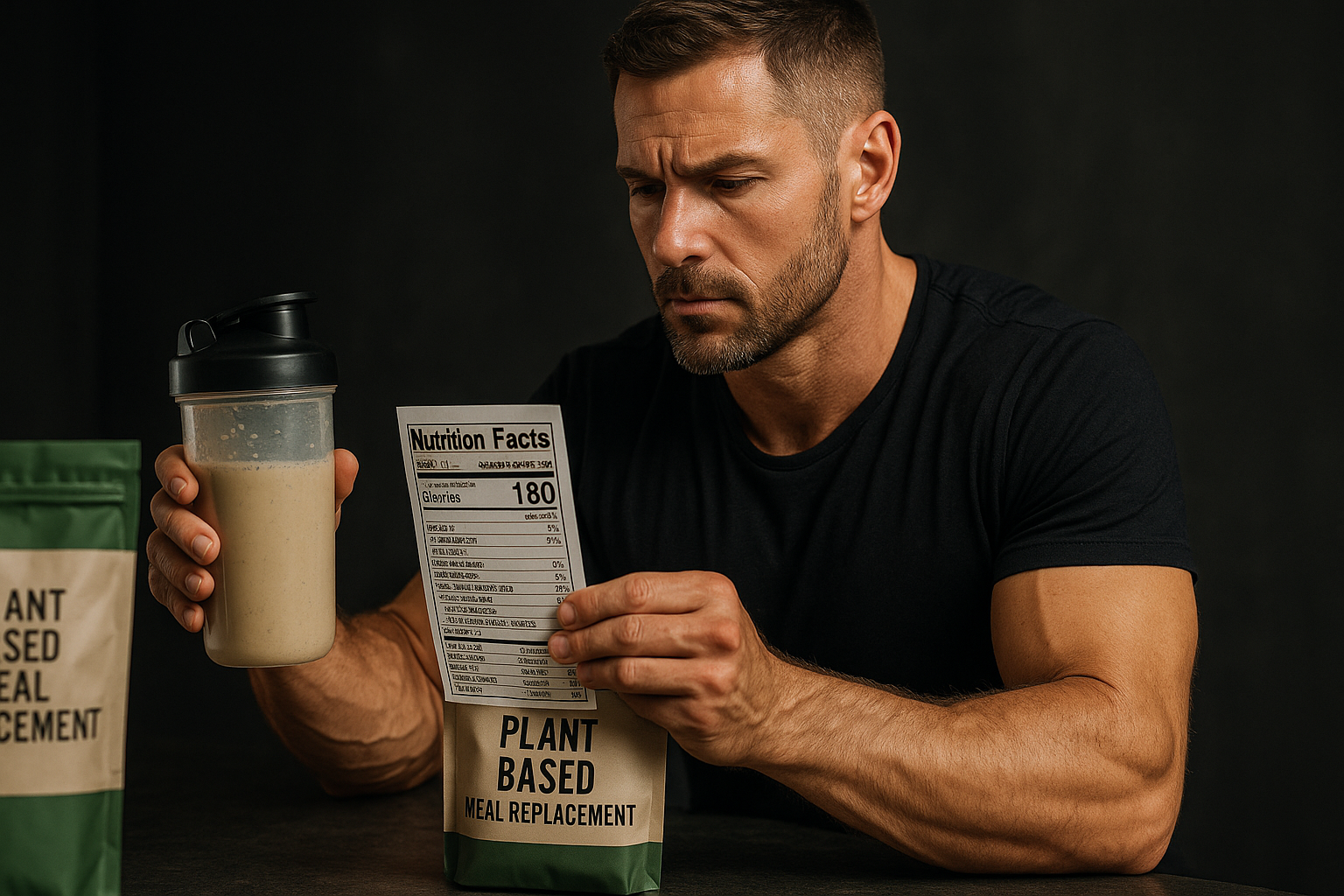
Choosing the right plant based meal replacement drinks is mostly about reading the label with a purpose. You’re looking for a product that can reliably cover key nutrition targets—especially protein, fiber (or prebiotic fiber), and micronutrients—without hiding excess added sugar or turning every “meal” into an ultra-processed snack.
This guide gives you a strict, repeatable checklist for plant-based meal replacement drinks, plus a label-reading guide you can use in-store or online. If you’re comparing ready-to-drink meal replacement options versus meal replacement powders, we’ll also cover when each makes the most sense.
What are plant-based meal replacement drinks?
Plant-based meal replacement drinks are formulated meal replacement shakes (either ready-to-drink meal replacement or meal replacement powders) designed to provide a meaningful portion of daily nutrition in place of a meal—often breakfast, lunch, or dinner.
Most products aim to deliver:
- Protein (to support satiety and muscle maintenance)
- Carbohydrates (energy)
- Fat (sometimes)
- Fiber / prebiotic fiber (for digestion and gut support)
- Vitamins and minerals
What “meal replacement” typically means (replace a meal vs. snack)
In practice, a true meal replacement should be closer to a meal’s nutrition profile—not just a flavored drink. A common “meal replacement” expectation is that the serving provides roughly the nutrition you’d get from a regular meal (not perfect, but substantial).
Important: Some drinks are better described as “supplement shakes” or “protein drinks with extra vitamins.” Use the label checklist below to confirm the product is built to replace a meal—not just to add calories and micronutrients.
How to choose the best plant-based meal replacement drink (label checklist)
To outperform typical “best of” lists, use a checklist. The goal: match the drink to your nutrition needs and dietary constraints—without guessing.
Protein quality + satiety markers (protein per serving)
Start with protein per serving. For plant-based meal replacement shakes, you want enough protein to meaningfully support satiety and help you maintain muscle alongside training.
What to look for on the label:
- Protein grams per serving: treat this as your primary filter.
- Protein source: common options include pea protein, soy protein, or rice protein (often blended).
- Notable add-ons: some products add amino acids or protein concentrates; others rely on whole-food-style blends.
Practical guidance: If the protein per serving feels low (especially compared to your usual meal), the drink may not “replace” your meal effectively. If you already hit protein targets daily, you may not need as high—but for many men using meal replacement shakes to simplify meals, protein quantity matters.
If you want deeper protein selection help for plant formulas, this can complement your decision: High-Quality Protein Powder Checklist: Choose Whey vs Isolate vs Plant-Base.
Fiber and gut-support ingredients (fiber/prebiotic where applicable)
For plant-based meal replacement drinks, fiber can be a differentiator—especially if your typical diet is light on vegetables/whole grains.
What to look for on the label:
- Fiber content (grams per serving): check the Nutrition Facts panel.
- Prebiotic fiber ingredients (when present): look for familiar terms like inulin or chicory root fiber, or other prebiotic fibers listed in ingredients.
- Gut comfort: if fiber is high, some people may experience bloating at first—start with smaller servings if needed.
Quick interpretation tip: Don’t only compare calories. A drink with higher fiber can be more filling and support regularity than a lower-fiber option.
Sugar and calorie awareness (what to watch on the label)
Many meal replacement shakes taste good because they’re formulated with sweeteners and carbohydrates. The problem is added sugar (and/or sugar content) can quietly inflate calories and reduce metabolic friendliness.
What to look for:
- Added sugar (if listed): aim lower when possible.
- Total sugar: if “added sugar” isn’t shown separately, total sugar is still useful for comparison.
- Calories per serving: match them to when you’re replacing a meal (e.g., breakfast vs. post-workout).
Common reality: A product can be plant-based and still contain meaningful sugar. Being “plant-based” doesn’t automatically mean “low sugar.” Read the panel.
Micronutrients: vitamins & minerals coverage
Meal replacements often include vitamins and minerals because a single shake can’t naturally match every nutrient you’d get from a full plate. The best choices don’t just list micros—they cover them in a way that actually helps you.
What to check:
- Look for a broad mix (commonly vitamin D, B vitamins, vitamin A, vitamin C, calcium, iron, zinc, magnesium—varies by product).
- Use the label’s % Daily Value to compare options. A “coverage” mindset helps more than chasing one vitamin.
Experience-based tip: If you’re using meal replacement drinks frequently, micronutrient adequacy matters more than if you’re using them occasionally.
Ingredient quality: protein source and overall formula simplicity
A “good label” is not about being minimalist at all costs. It’s about clarity and reasonable formulation choices.
What to look for in ingredients:
- Clear protein source(s> listed early in the ingredient list.
- Simple carbohydrate inputs when possible (and transparency about sugars/sweeteners).
- Emulsifiers and thickeners aren’t automatically bad, but avoid formulas that feel needlessly complex without clear functional value.
- If you avoid certain dietary components, confirm: vegan/plant-based status, and any allergens.
Also confirm that what you’re buying is truly aligned with your diet. For example, some “plant-based” products are vegan, while others are vegetarian or cross-process with non-plant ingredients.
Ready-to-drink vs powder: which is better for your goals?
Both categories can work. Your best option depends on convenience, cost, and how precise you want to be with your nutrition.
Convenience vs cost and customization
-
Ready-to-drink meal replacement
- Pros: grab-and-go, consistent serving size, less prep.
- Cons: often higher cost per serving; sometimes slightly different macros vs powder equivalents.
-
Meal replacement powders
- Pros: better customization (mix with water vs milk, adjust portion), usually more cost-effective.
- Cons: requires shaker/blender; measured portion errors happen.
Practical example: If you want a consistent weekday routine, a ready-to-drink meal replacement can reduce decision fatigue. If you train hard and want to adjust protein or calories around workouts, a meal replacement powder often gives you more control—especially if you’re using plant-based protein (like pea protein blends) in a higher-protein format.
How to use meal replacement drinks safely and effectively
Meal replacement drinks can be useful tools—but they’re not a medical treatment. Use them like a nutrition strategy, not a shortcut that replaces all food indefinitely.
When they make sense (busy meals, convenience days)
Meal replacement drinks are often most effective when they help you:
- Handle busy schedules without skipping meals
- Improve consistency on travel days or workdays
- Bridge gaps between real meals while still keeping calories and macros reasonable
- Support a training plan where protein intake is a priority
Training-friendly approach: Many people do well replacing a meal that would otherwise be low-quality or high in convenience calories—then ensuring the remaining meals include whole foods for fiber, micronutrients, and overall dietary balance.
When to avoid (medical conditions; see disclaimers)
Safety disclaimer: Meal replacement drinks are not a medical treatment and may not be appropriate for everyone. If you have diabetes, a history of eating disorders, kidney or liver disease, are pregnant or breastfeeding, or take medication that affects nutrition or blood sugar, consult a qualified clinician or registered dietitian before using meal replacements.
Also, if you experience persistent GI symptoms (bloating, diarrhea, constipation), reassess your fiber/prebiotic tolerance and consider professional guidance.
General best practice: monitor your total daily protein, overall dietary balance, and fiber intake rather than replacing every meal indefinitely without guidance.
Common mistakes to avoid with meal replacement shakes
Using them as the only nutrition long-term without guidance
Even the best plant-based meal replacement drinks won’t replicate the full range of nutrients and phytonutrients you get from a varied diet. Long-term reliance can also reduce food variety, making it harder to maintain habits that support long-term health and performance.
Ignoring total daily protein/fiber and dietary balance
Two drinks can look similar, but your results depend on the rest of your day. Common pitfalls include:
- Protein mismatch: You buy a shake for “meal replacement,” but your protein target still falls short across the day.
- Low fiber overall: Your shake has modest fiber, but your remaining meals are also low in fiber.
- High sugar creep: You choose a tasty option that helps you stick to it—but you accidentally raise added sugar and calories.
Fix: Treat the drink as a tool to fill a specific nutrition gap. If you need a protein boost, prioritize protein grams per serving. If you need digestion support, prioritize fiber and prebiotic fiber content.
If you want options that complement meal replacement days with real food, see: Cheap High Protein Meals for Muscle Gain.
Bottom line: pick a plan that matches your diet and nutrition needs
The best plant based meal replacement drinks aren’t necessarily the ones with the best marketing—they’re the ones that match your label targets: protein (for satiety and muscle maintenance), fiber (including prebiotic fiber when appropriate), added sugar awareness, and meaningful vitamins and minerals coverage.
Quick decision summary (checklist recap)
Before you buy, run through this checklist:
- Protein: sufficient grams per serving for your use case; clear plant protein source (e.g., pea/soy/rice blends).
- Fiber / prebiotic fiber: meaningful fiber content; consider your gut tolerance if fiber is high.
- Added sugar: check sugar values; choose lower-added-sugar options when possible.
- Micronutrients: broad vitamins and minerals; look at % Daily Value for context.
- Diet fit: confirm vegan/plant-based status and ingredient compatibility with your preferences/allergies.
- Usage plan: replace meals strategically (not automatically every meal forever).
Next step: Pick 2–3 products that pass your protein/fiber/sugar filters, then compare their Nutrition Facts line-by-line. Once you find one that fits your targets, test it consistently (same timing, same serving size) and evaluate how you feel—energy, hunger, and digestion.
FAQ
What’s the difference between meal replacement drinks and protein shakes?
Protein shakes mainly provide protein to help reach daily targets. Meal replacement drinks are formulated to replace a meal more broadly—typically providing protein plus carbohydrates, some fiber (often), and vitamins and minerals. WebMD notes that meal replacement shakes are designed to replace breakfast, lunch, or dinner and can contain nutrients with fewer calories than a typical meal: What Should You Know About Meal Replacement Shakes? (WebMD).
Are plant-based meal replacement drinks vegan?
Not always. Many are vegan, but you must check the label for ingredients like whey, casein, or other non-vegan components. Look for “vegan” claims and review ingredients for certainty.
How many grams of protein should I look for per serving?
There isn’t one perfect number for everyone, but use the label as a filter: you generally want enough protein per serving to support satiety and help you reach your daily protein goal. If you’re comparing options, prioritize the one with the higher protein grams per serving that still meets your sugar and fiber preferences.
What should I check for regarding sugar and fiber in meal replacement drinks?
Check added sugar (or total sugar) and fiber grams per serving. If the product includes prebiotic fiber, that can support gut health—but very high fiber can cause bloating for some people. Start with your body’s tolerance if you’re sensitive.
Are plant-based meal replacement drinks good for weight loss or weight gain?
They can be helpful for weight management because they can make calorie intake easier to control. For weight loss, you typically want lower-calorie choices with enough protein and fiber for fullness. For weight gain, you’d usually need higher-calorie options (or the ability to adjust portion size). The “best” option depends on your total daily calorie and macro targets—not just the drink.
Who should not use meal replacement drinks without medical advice?
People with diabetes, a history of eating disorders, kidney or liver disease, those who are pregnant or breastfeeding, or anyone taking medication that affects blood sugar or nutrition should consult a qualified clinician or dietitian before using meal replacement drinks. Meal replacements are not a medical treatment.