
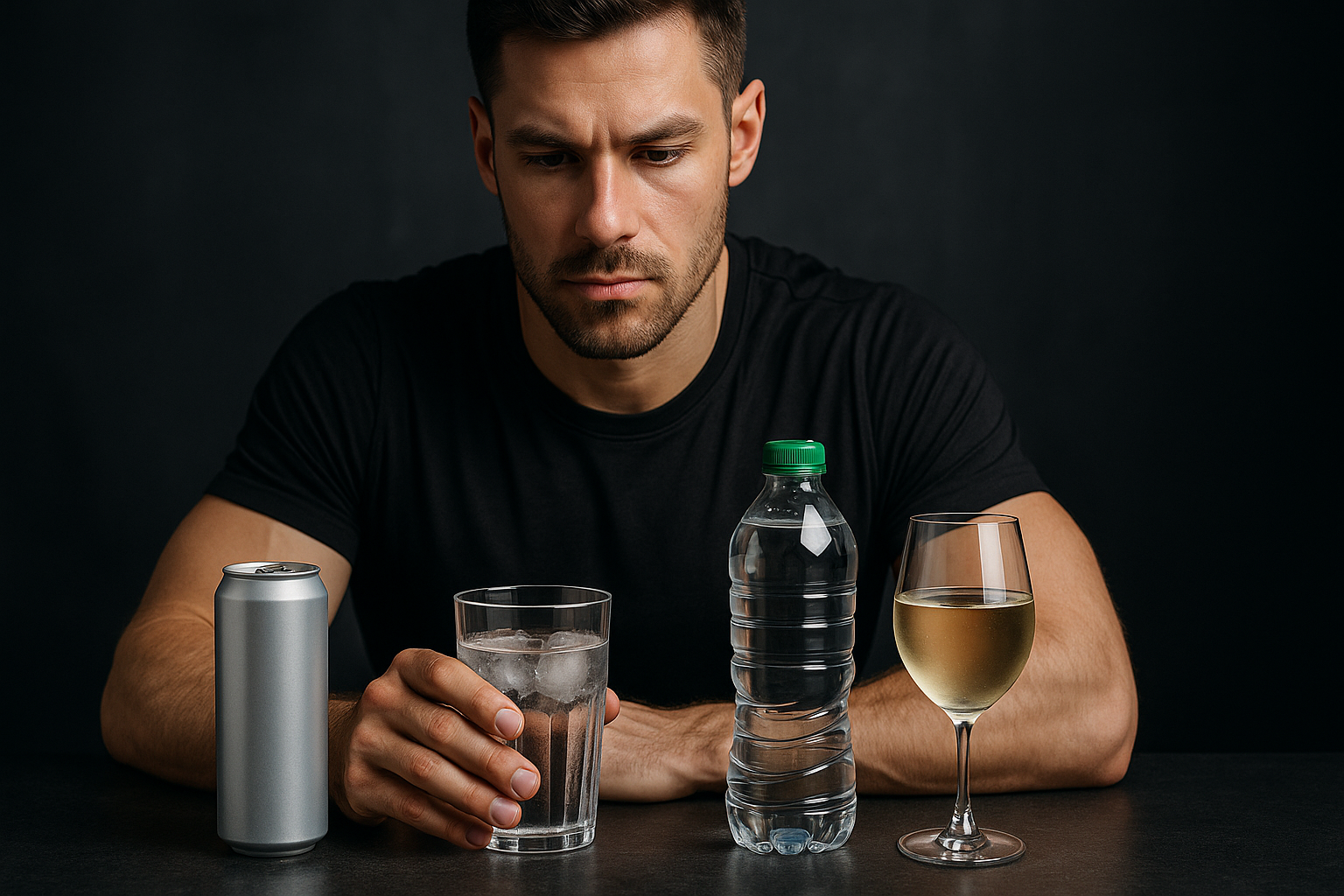
If you’re trying to lose fat, the “best” weight loss drinks aren’t magic—they’re simply the ones that help you stay in a calorie deficit and avoid drink calories that quietly sabotage your cut. In this guide, you’ll learn which calorie-free drinks for weight loss actually fit, whether energy drinks good for weight loss (and whether they cause weight loss), if diet drinks prevent weight loss, what to choose with alcohol, and how to order healthy dunkin drinks for weight loss without wrecking your numbers.
Quick note: This is general education, not a medical plan.
Quick verdict: what makes a drink “weight-loss friendly”?
A drink supports fat loss when it helps you control calories without making hunger, cravings, or overeating more likely. Use this evidence-based decision framework:
Calories first (sugar vs non-sugar) and why
Fat loss mostly comes down to overall calorie balance. Many “weight loss drinks” fail because they:
- Add sugar (even if the serving feels small)
- Trigger more snacking because they don’t satisfy like food
Rule of thumb: If your goal is fat loss, prioritize drinks that are calorie-free or very low calorie and don’t make you hungrier than before.
Volume + timing (hydration, between-meal use)
Hydration matters. Replacing higher-calorie options with water/sparkling water can reduce total intake without requiring willpower to “add up” every day. Timing can also help:
- Between meals: water or unsweetened options can help you ride out cravings.
- With meals: water doesn’t replace protein/fiber, but it can help you eat at a sustainable pace.
- Before training: caffeine can improve alertness for some people, but it doesn’t replace food, recovery, or calorie targets.
Caffeine/protein considerations (what matters more than “detox” claims)
Some drinks include caffeine or protein. That can be useful, but don’t fall for detox/burn-fat claims. Instead:
- Caffeine may improve alertness and exercise performance, which can indirectly support your routine—but it doesn’t automatically cause weight loss.
- Protein helps satiety. Protein-forward beverages can be helpful if they replace a lower-protein, higher-calorie drink.
- “Sugar-free” doesn’t always mean “calorie-free” (watch the label and serving size).
Calorie-free drinks for weight loss (best picks + label checks)
If your goal is calorie free drinks for weight loss, start here. These are usually the lowest-friction options for staying in a deficit.
Water, sparkling water, and unsweetened flavors
- Plain water: reliable baseline. If you struggle to drink enough, try sparkling water or water with a squeeze of citrus.
- Unsweetened sparkling water: can feel more satisfying than still water for some people.
- Zero-calorie flavor drops/sachets: useful if plain water feels “boring.” Watch for caffeine or other additives if you’re sensitive.
What to watch for: If you have GERD or a sensitive stomach, carbonated drinks may worsen symptoms. Also, flavored products vary—always check the label for anything that changes your calories or caffeine intake.
Zero-calorie sweetened beverages—what to check on the label
Common examples include drinks sweetened with non-nutritive sweeteners (often marketed as sugar-free or zero sugar). These can fit into a cut for many people.
Label checklist (quick and practical):
- Calories per serving (not just “zero sugar”)
- Added sugars (should be 0g)
- Serving size (watch if the bottle is 2 servings)
- Caffeine content (mg per serving; relevant if you’re caffeine sensitive)
- Sweeteners (e.g., sucralose, aspartame, acesulfame-K—tolerance varies)
Potential downsides: Even when calories are near zero, some people notice increased cravings or appetite sensations. That’s not guaranteed, but it’s a reason to monitor how you feel and how your intake changes over time.
For a broader evidence-oriented look at best/worst drink categories, see WebMD: best and worst drinks for losing weight.
Energy drinks: do energy drinks cause weight loss (or not)?
The honest answer: are energy drinks good for weight loss? Sometimes they can help you stay active (alertness, workout drive), but do energy drinks cause weight loss? Not directly. Weight loss still requires a calorie deficit.
When caffeine helps (alertness/activity) vs when it doesn’t
Caffeine can support:
- Exercise performance and perceived effort
- Focus so you’re more likely to follow through on workouts
But if the energy drink replaces water and boosts total calories (via sugar) or worsens sleep (via late-day caffeine), it can backfire.
Common pitfalls (sugar, “sugar-free” but still calorie-adding add-ins)
Energy drinks often fail weight-loss goals for one of these reasons:
- High sugar (calories add up fast)
- “Sugar-free” confusion: some variants still include calories from other ingredients
- Stacking: energy drink + sweet coffee + dessert turns your “cut” into a high-calorie day
Also consider timing. Consuming caffeine late may reduce sleep quality, which can make appetite regulation harder.
Practical guardrail: If you use energy drinks, treat them like a tool—start with the lowest effective caffeine dose for your routine, and avoid using them as a meal replacement.
Diet drinks: do diet drinks prevent weight loss?
This is one of the most searched phrases for a reason: do diet drinks prevent weight loss—or do they help? The best answer is nuanced:
- Do diet drinks affect weight loss? They usually don’t “melt fat,” but they also don’t automatically derail fat loss if they replace higher-calorie drinks.
- Do diet drinks prevent weight loss? Not inherently—but they can make it easier to keep drinking sweetness without reducing overall cravings.
Why “diet” ≠ guaranteed fat loss
Diet drinks are often near-zero calorie, which can help you cut calories. However, they’re not a substitute for:
- Protein, fiber, and overall meal quality
- Portion control
- Sleep and stress management
Potential effects to consider (cravings/appetite signals—possibility only)
Some people report that sweet-tasting beverages increase snacking urges or make them feel less satisfied. Others feel perfectly fine. If you notice:
- More cravings later in the day
- More hunger at meals
- More total intake than usual
…consider switching back to water/sparkling water or limiting how often you use diet drinks.
For a deeper look at “best vs worst” beverage patterns, refer to Healthline: weight loss drinks (evidence-based picks).
Related question: are diet drinks good for weight loss? For many people, yes—as a replacement for sugary drinks. But if they worsen cravings for you, they’re not the right tool.
Alcohol and weight loss: what are the healthiest options?
When it comes to alcohol and weight loss, the key is calories + behavior. Alcohol contains calories and can also affect:
- Appetite (you may eat more than planned)
- Sleep quality (which can influence hunger)
- Judgment (making “extra” choices more likely)
That’s why the focus shouldn’t be “magic fat-burning drinks.” Instead, use alcohol as a budgeted treat inside your overall weekly plan.
Low-calorie alcoholic drinks for weight loss (principles for choosing)
If you’re aiming for low calorie alcoholic drinks for weight loss, prioritize the structure:
- Lower-alcohol pours when possible
- Dry options (less sugar)
- Clear mixers or no/low-sugar mixers
- Smaller servings
Many people do best with drinks that avoid sweet syrups and high-sugar sodas. Exact calories vary by brand and pour size—check menu nutrition when available.
Popular “structure” examples (not guaranteed nutrition numbers):
- Spirits + diet soda or sparkling water + citrus (skim from sweeteners/syrups)
- Dry wine or light beer compared with sweeter options (still count the calories)
Alcoholic drinks for weight loss—what to avoid (sweet mixers, high-calorie pours)
To prevent your cut from stalling, avoid the “calorie bombs,” commonly:
- Cocktails with sweet mixers (sugar-heavy sodas/tonics/juice)
- Frozen drinks with syrups
- “Dessert” cocktails
- High-calorie beers if they trigger larger portion sizes
Alcoholic drinks and weight loss: why frequency matters
Even if you choose better drink types, frequency affects your weekly calorie intake and your ability to stay consistent. More nights out can mean more calories, less sleep, and more missed training—each of which can slow fat loss.
Practical rule: If fat loss is the priority, keep alcohol intentional and limited, and avoid drinking when you’re already near your calorie ceiling.
Because individual health conditions vary, consult a clinician if you’re managing diabetes, GERD, cardiovascular concerns, or take medications.
“Healthy dunkin drinks for weight loss” (how to order strategically)
Searching “healthy dunkin drinks for weight loss” usually means you want the lowest-calorie order that still feels satisfying. Use this ordering approach: focus on reducing sugar first, then managing dairy/creamer and syrup.
Swap list (ask for less/no sugar, choose lighter add-ons)
Try this script when ordering:
- Choose a smaller size (or “next size down”)
- Request no/less flavored syrup (or ask for it on the side)
- Pick a lighter milk option (or use the default but reduce quantity)
- Choose sweetener-free if available, or use “no sugar” customization
- Ask for whipped cream to be omitted if you’re trying to stay tight on calories
Example order style (template): “Can I get a medium coffee, no flavored syrup, with [milk option], and no sugar?”
This doesn’t require you to memorize nutrition numbers—just control the big calorie levers: syrup + sugar + add-ons.
How to spot hidden calories in coffee/dairy/syrup add-ins
Even “healthy” coffee can add up. Look for these common hidden sources:
- Syrups (often the biggest driver)
- Sweetened creamers (sometimes more sugar than you expect)
- Whipped toppings
- Size creep (moving to a larger cup can double drink calories)
Best practice: If you want the drink, build it as part of your day—rather than stacking it on top of sugary beverages elsewhere.
Bottom line + a simple “drink stack” for a cut
Here’s a practical cut-friendly drink stack you can rotate. The goal is to keep calories low while supporting hydration and your training schedule.
| When | Drink choice | Why it fits |
|---|---|---|
| Daily baseline | Water or sparkling water | Low calories, supports hydration |
| Between meals | Zero-calorie flavored water (or diet soda if it doesn’t spike cravings) | Helps manage cravings without adding sugar |
| Training window | Small-caffeine option (coffee or an energy drink with minimal sugar) | May improve alertness/activity—doesn’t replace calorie control |
| Afternoon craving risk | Unsweetened tea or coffee (no syrup / minimal add-ins) | Reduces “snack spiral” risk |
| Social occasions | Lower-sugar, lighter pours; avoid sweet mixers | Controls calorie impact and reduces appetite disruption |
If you’re also tightening your overall diet, drinks work even better when you build meals with structure. You can use a plate-based framework for cutting to reduce decision fatigue.
And if you’re using a fasting window, the beverage strategy can complement it—see fasting windows (12-hour starter, 16/8).
FAQ: weight loss drinks
Are energy drinks good for weight loss?
They can be if they’re low in sugar/calories and help you stay active, but they’re not a direct fat-loss tool. If they worsen sleep or add sugar, they can slow progress.
Do energy drinks cause weight loss, or just reduce appetite temporarily?
Energy drinks don’t “cause” weight loss in a guaranteed way. Caffeine might temporarily change appetite or alertness, but fat loss depends on your overall calorie balance.
Are diet drinks good for weight loss?
Often, yes—when they replace sugary drinks and don’t increase cravings for you. If you notice appetite changes that lead to overeating, reduce or swap them for water/sparkling water.
Do diet drinks prevent weight loss?
They don’t automatically prevent weight loss. But relying on sweet beverages can sometimes keep cravings high or lead to additional calories elsewhere.
What are the best low calorie alcoholic drinks for weight loss?
Look for lower-sugar, lower-calorie structures: dry options and minimal sweet mixers, plus smaller pours. Exact calories vary by brand and pour size.
What are the healthiest alcoholic drinks for weight loss?
“Healthiest” still means budgeted. Generally, choose dry, lower-sugar drinks and avoid sweet mixers. The safest approach for your cut is moderation and consistency with your clinician’s guidance.
Safety + what this article can’t do
This article is for general education and not medical advice. If you have diabetes, GERD, cardiovascular conditions, are pregnant/breastfeeding, or take medications, consult a clinician before changing caffeine/alcohol/sweetener intake. Alcohol can affect recovery, sleep, and appetite; keep it within your clinician’s guidance and consider its calorie impact.
What this article can’t do: it can’t diagnose your situation or guarantee results. Drinks are one lever—your overall eating pattern, training, and sleep are the bigger drivers.
Next step: Pick your baseline: for 7 days, prioritize water/sparkling water, switch one sugary drink to a calorie-free alternative, and use caffeine only earlier in the day. If you want a framework for the rest of your diet, start with a plate-based framework for cutting.