
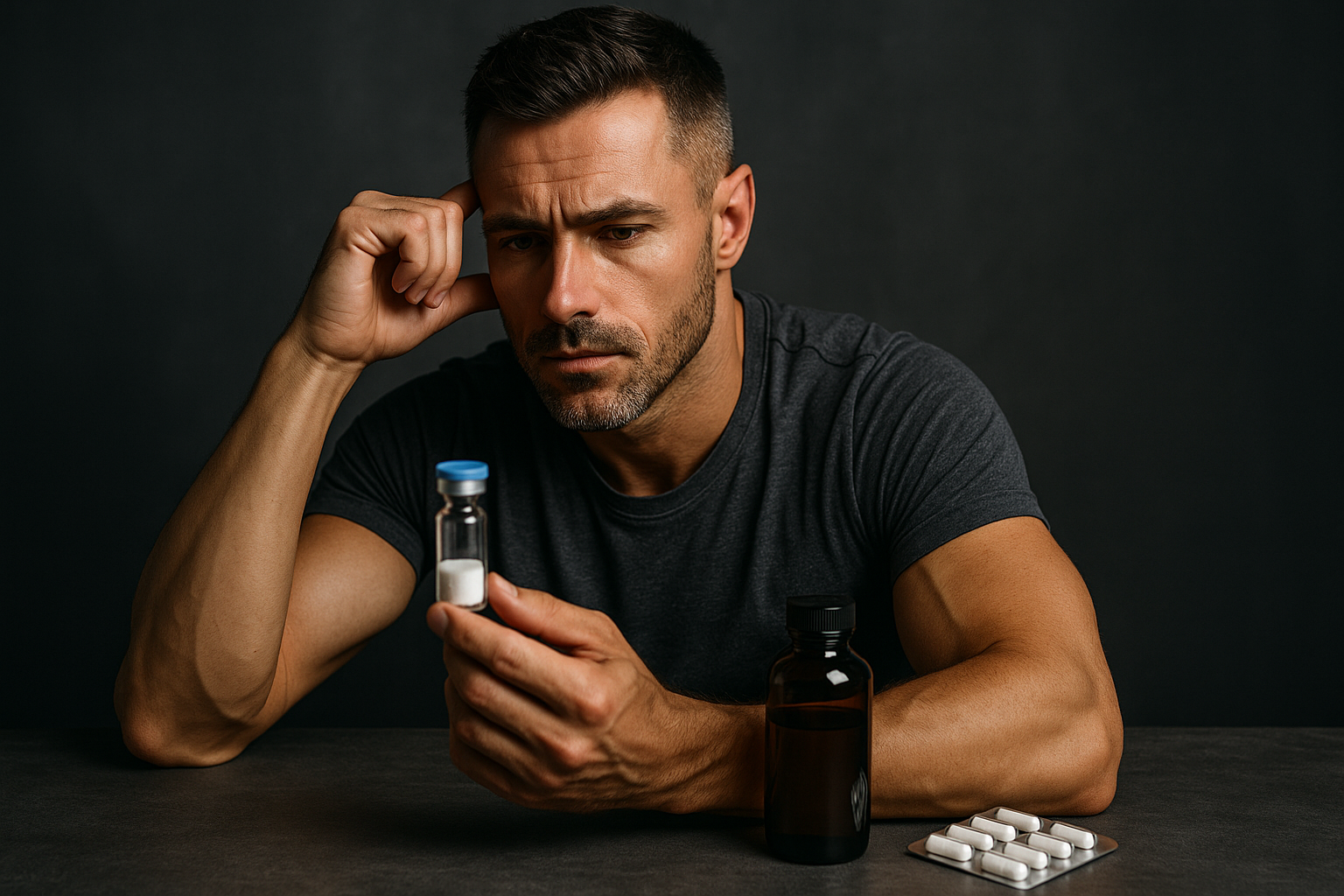
Thymosin is a group of thymus-derived peptide hormones that help coordinate parts of the immune system. If you’ve been searching because you’re considering thymosin alpha-1, the key is understanding two things upfront: (1) “thymosin” and “thymosin alpha-1” are related but not identical, and (2) claims about benefits and thymosin alpha-1 how long to take depend heavily on the indication and the clinical context—not a one-size-fits-all timeline.
This guide gives you a thymosin 101 + practical use & evidence framework: what thymosin is, what it does (function), what the literature has studied for thymosin alpha-1, and how to think about duration and safety responsibly.
What is thymosin? (and how it relates to thymosin alpha-1)
Thymosins as thymus-derived peptide hormones (high-level)
Thymosin refers to a family of thymosin hormone peptides produced in the thymus (and also found/represented in biological research contexts). These peptides are involved in immune signaling and are most often discussed in relation to how the body develops and maintains immune function.
In plain terms: the thymus is one of the body’s “immune education” organs, and thymosin-related peptides are part of the messaging that helps the immune system mature and respond appropriately.
Thymosin vs thymosin alpha-1 vs thymopoietin (brief differentiation)
If you’ve seen “thymosin,” “thymosin alpha-1 peptide benefits,” and “thymopoietin” in the same conversation, that’s why the terminology matters:
- Thymosin: a broader term for thymus-associated peptide hormones.
- Thymosin alpha-1: a specific thymosin peptide (often written as thymosin α1). It’s the one most commonly discussed in clinical literature and supplement/peptide conversations.
- Thymopoietin: another thymus-related peptide involved conceptually in immune maturation pathways.
A useful way to stay clear is to treat “thymosin” as the umbrella term, then focus on thymosin alpha-1 when you’re looking for evidence-based discussions.
Optional background: If you want a quick encyclopedia-level primer, see Thymosin (overview).
What is the function of thymosin?
To answer “what is the function of thymosin?” we have to focus on immune signaling. The exact pathways are complex, but the overall theme is consistent: thymosin-related peptides are tied to the way immune cells develop and communicate.
Immune system signaling and T-cell–related immune modulation (mechanism level)
Mechanistically, thymosin peptides are discussed as regulators of immune processes, particularly those involving T-cells (a major class of immune cells). Many descriptions center around the idea that thymosin peptides influence:
- T-cell maturation and readiness (how effectively immune cells can respond)
- Immune signaling (helping coordinate responses)
- Immune modulation (nudging the system toward more appropriate regulation rather than “turning everything on”)
That nuance matters for expectations: immune modulation is not the same thing as “guaranteed immunity” or guaranteed performance gains. It also means there can be different outcomes depending on baseline immune state, co-existing conditions, and how a therapy is used.
How thymosin and thymopoietin relate to maturation (concept level)
Competitors often explain thymosin in isolation. For practical understanding, it helps to know that thymus-related peptides (including thymosin and thymopoietin) are commonly framed in the literature as part of a coordinated system that supports immune development.
Think “maturation support” rather than a single lever. When you see discussions like “thymosin and thymopoietin assist in the maturation of…,” the concept is about immune development—especially early maturation and functional readiness of immune cells.
Thymosin alpha-1 peptide benefits (evidence-informed overview)
Thymosin alpha-1 is the thymosin peptide most frequently discussed in clinical and research settings. However, “peptide benefits” should be framed carefully: different studies look at different endpoints, populations, and dosing regimens, and results aren’t always consistent across conditions.
The best way to evaluate thymosin alpha-1 peptide benefits is to separate three layers:
- Mechanism-based potential (what biology suggests)
- What clinical literature has studied (evidence by condition)
- What’s not clearly established (where evidence is mixed, limited, or not generalizable)
Mechanism-based “potential benefits”
Based on the immune-modulating role attributed to thymosin alpha-1, the potential benefits discussed in research and reviews often relate to:
- Immune modulation (supporting regulation and response dynamics)
- T-cell–related immune function (in the broad sense of immune maturation and signaling)
- Support of immune recovery in specific contexts where immune dysfunction is part of the problem
Important: “potential” is not a promise. It’s a hypothesis grounded in biology and studied in varying clinical contexts.
What clinical literature has studied (general, not hype)
A useful evidence backbone is Thymosin alpha 1: A comprehensive review of the literature (Dominari, 2020). Reviews like this summarize where thymosin alpha-1 has been explored, including immune-related indications.
Because this is an overview (not condition-specific medical guidance), the main takeaway is:
- There is a long history of research interest in thymosin alpha-1 for immune dysfunction contexts.
- Outcomes can vary based on study design, patient population, and endpoints.
- Evidence strength is not uniform across all proposed “benefits.”
In other words, thymosin alpha-1 has been studied, but you should treat claims as indication-dependent rather than universally applicable.
Extra safety/effectiveness nuance: For a higher-level look at clinical outcomes in a serious immune-related setting, see The efficacy and safety of thymosin α1 for sepsis (TESTS). This kind of reference helps illustrate why you should avoid extrapolating results from one context to your own.
Thymosin alpha-1 how long to take (duration considerations)
If you searched thymosin alpha-1 how long to take, you’re not alone—duration is one of the most common questions in peptide discussions. The honest answer is: it depends.
Unlike supplements with common standardized “daily for X weeks” marketing, thymosin alpha-1 is often discussed in contexts where timing and duration are tied to clinical protocols, baseline immune status, and specific endpoints.
Why duration varies by indication and study design
Duration differs because studies may evaluate different endpoints such as:
- Immune recovery or immune markers over time
- Disease course (shorter windows tied to acute phases)
- Response trajectories (how quickly immune-related changes are measured)
- Concomitant treatments (duration may be influenced by what else is used)
That’s why you’ll see wide variation in how long trials or protocols run. Even with the same peptide, “how long” is not inherently transferable without matching the clinical scenario.
Safety-first guidance: talk to a clinician; avoid “one-size-fits-all” timelines
We can’t provide individualized dosing or a universal duration recommendation. But we can give you a practical decision framework:
- Clarify the goal: immune-related goals aren’t the same as performance goals.
- Match the evidence context: if you’re looking at a study, check the indication, endpoints, and whether results generalize.
- Consider your medical status: immune modulation can interact with existing conditions and medications.
- Use clinician oversight: especially if you have autoimmune conditions, immunosuppression, active infections, or take immune-modulating drugs.
If you’re deciding on timing, bring your plan (and the specific indication you’re targeting) to a licensed healthcare professional for a risk-benefit conversation.
Thymosin hormone and supplements: what to look for
It’s easy to find “thymosin alpha 1 supplements” online, but the category can be confusing. Thymosin-related products may be marketed as research peptides, supplements, or in some places as prescription/clinical therapies depending on jurisdiction.
Product category clarity (research peptide vs supplement vs prescription context)
Before you even think about thymosin peptide benefits, identify what you’re purchasing:
- Prescription/clinical context: governed by medical oversight and regulated pathways.
- Research peptide context: may be marketed for research use rather than direct consumer health claims.
- Supplement-like marketing: marketing language may imply immune support, but regulatory standards for purity, labeling, and claims can differ widely.
This distinction affects expectations about evidence, manufacturing consistency, and how safety information is presented.
Quality, sourcing, and regulatory awareness (no brand endorsements)
Quality matters for all bioactive peptides and hormones. When shopping for thymosin alpha 1 peptide benefits-type products, prioritize:
- Transparent documentation (e.g., testing/COA practices where available—don’t rely on vague claims)
- Clear labeling (ingredient identity, concentration/amount, batch details)
- Regulatory awareness (what’s allowed in your region and how products are classified)
If you want a broader regulatory lens on peptide compounding and classification trends, see Peptide Regulatory Reclassification 2026: What Changes for Compounding.
How we evaluate peptide claims (our “evidence filter”)
At Forged Alpha, we approach peptide topics with a consistent checklist:
- Define terms: “thymosin” vs “thymosin alpha-1” vs thymopoietin matters for interpreting evidence.
- Separate mechanism from outcomes: biology can suggest plausibility without guaranteeing results for your goal.
- Look for indication fit: immune modulation outcomes are often context-dependent.
- Check what’s measured: immune markers aren’t the same as clinically meaningful endpoints.
- Respect uncertainty: where studies conflict or data are limited, we label it clearly.
This is also why we avoid personalized dosing guidance and why “how long to take” is framed as an indication-dependent discussion with a clinician.
FAQs
What is thymosin, and where is it produced?
Thymosin is a family of thymus-associated peptide hormones. It’s produced in connection with the thymus, an organ involved in immune development. In research and clinical discussions, “thymosin” can refer to multiple thymus-derived peptides, not just one single molecule.
What is the function of thymosin in the immune system?
The function of thymosin is primarily related to immune signaling and modulation, including aspects of immune cell maturation and coordination—often described in relation to T-cell–related processes.
What is thymosin alpha-1, and how is it different from other thymosins?
Thymosin alpha-1 (thymosin α1) is a specific thymosin peptide. Other “thymosins” and related thymus peptides (including thymopoietin) are different molecules with overlapping but distinct roles in immune biology.
What does thymosin alpha-1 do, and what are the potential benefits?
What thymosin alpha-1 does is best summarized as immune modulation—supporting aspects of immune function that have been explored in clinical research. Potential benefits are indication-dependent, and evidence varies across conditions; benefits are not guaranteed for every person or goal.
Thymosin alpha-1 supplements: what should I know about safety and sourcing?
First, confirm what category your product falls into (research peptide vs supplement marketing vs clinical/prescription context). Bioactive peptides can be sensitive to handling and labeling accuracy, and regulation differs by jurisdiction. Avoid relying on claims alone—prioritize quality documentation and consult a healthcare professional, especially if you have immune-related conditions or take immune-modulating medications.
Thymosin alpha-1 how long to take—does the duration depend on the reason it’s used?
Yes. There is no universal, evidence-based timeframe that applies to all use cases. “How long to take” depends on the indication, clinical context, measured endpoints, and study design. For safety and appropriateness, discuss duration with a licensed clinician rather than relying on generalized timelines online.
Conclusion: thymosin 101, with practical next steps
Thymosin is best understood as a thymus-associated peptide hormone family involved in immune signaling. When people ask about thymosin alpha-1 peptide benefits and thymosin alpha-1 how long to take, the most important takeaway is that both benefit claims and duration are context-dependent—and evidence varies by indication.
Next step: If you’re considering thymosin alpha-1, start by writing down your specific goal (the indication), then review the evidence framing (mechanism vs outcomes) and talk with a qualified clinician about safety and a duration plan that fits your situation.
References (selected)
- Thymosin alpha 1: A comprehensive review of the literature (Dominari, 2020)
- The efficacy and safety of thymosin α1 for sepsis (TESTS)
Medical & safety disclaimer: Thymosin and thymosin alpha-1 are bioactive peptides. This article is for educational purposes only and is not medical advice. We do not provide individualized dosing or a universal “how long to take” recommendation. Evidence varies by indication, and benefits are not guaranteed. Consult a licensed healthcare professional before using any immune-related peptide—especially if you’re pregnant/breastfeeding, have autoimmune disease, take immunosuppressants/immune-modulating medications, or are dealing with serious illness. For supplement/peptide products, regulation and quality can differ by jurisdiction; prioritize sourcing transparency and safety over marketing claims.